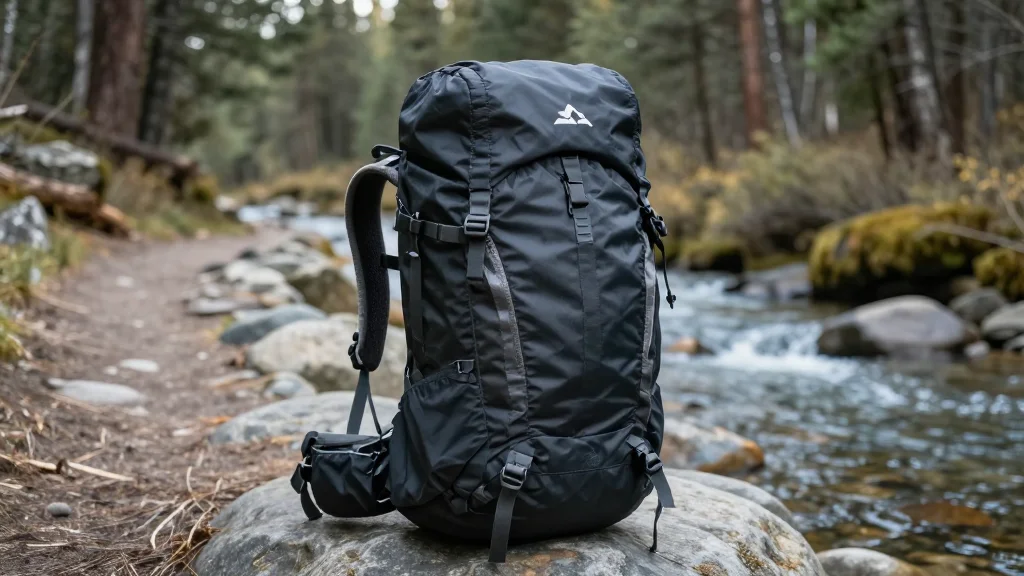
Patagonia's Free Wall Pack 44L Targets Two‑Person Multi‑Day Adventures

Companies Mentioned
Why It Matters
The Free Wall Pack illustrates how outdoor brands can repurpose sport‑specific technology for a wider audience, potentially expanding the market for high‑performance, multi‑person packs. As travelers prioritize lightweight, organized solutions that also meet airline restrictions, products that combine durability with modular interiors could become the new standard for backcountry gear. Patagonia’s move may also prompt retailers to stock more versatile packs, influencing purchasing patterns among both climbers and general hikers. Moreover, the pack’s emphasis on rugged construction and water resistance aligns with growing consumer expectations for gear that can withstand unpredictable weather while maintaining organization. If the Free Wall Pack gains traction, it could accelerate a trend toward hybrid designs that serve multiple outdoor disciplines, reducing the need for separate, activity‑specific backpacks and simplifying gear inventories for adventure enthusiasts.
Key Takeaways
- •44‑liter capacity designed for tandem rock climbing
- •Split interior allows separate gear zones for two users
- •100% nylon shell with DWR finish offers high water resistance
- •Padded straps, sternum strap and stowable waist belt improve weight distribution
- •Available in three sizes to fit different body types
Pulse Analysis
Patagonia’s Free Wall Pack arrives at a moment when the outdoor industry is wrestling with the tension between specialization and versatility. Historically, manufacturers have segmented their product lines—climbing packs, hiking backpacks, travel carry‑ons—each optimized for a single activity. The Free Wall Pack challenges that paradigm by taking a climbing‑centric architecture and marketing it as a universal two‑person solution. This approach mirrors a broader consumer shift: adventurers increasingly favor gear that can transition from a crag to a campsite without sacrificing performance.
From a competitive standpoint, Patagonia’s reputation for sustainable materials and durable construction gives the Free Wall an edge in a crowded market. Brands like Osprey and Gregory have introduced modular systems, but few have leveraged a split‑compartment layout that inherently supports two users. If the pack’s durability holds up under field testing, it could force rivals to rethink how they balance compartmentalization with weight savings. The price point—though undisclosed—will be a critical factor; a premium tag may limit adoption among budget‑conscious hikers, while a mid‑range price could broaden its appeal.
Looking ahead, the Free Wall Pack could serve as a template for future hybrid designs. As airlines tighten carry‑on dimensions and travelers seek to minimize luggage, packs that meet overhead bin limits while offering robust organization will likely dominate. Patagonia’s decision to keep the design minimalist—eschewing external pockets that snag on terrain—also signals a return to function‑first aesthetics, a trend that resonates with consumers fatigued by overly complex gear. The market’s response to the Free Wall Pack will therefore be a bellwether for how much weight the industry places on versatility versus sport‑specific optimization in the coming years.
Patagonia's Free Wall Pack 44L Targets Two‑Person Multi‑Day Adventures
Comments
Want to join the conversation?
Loading comments...