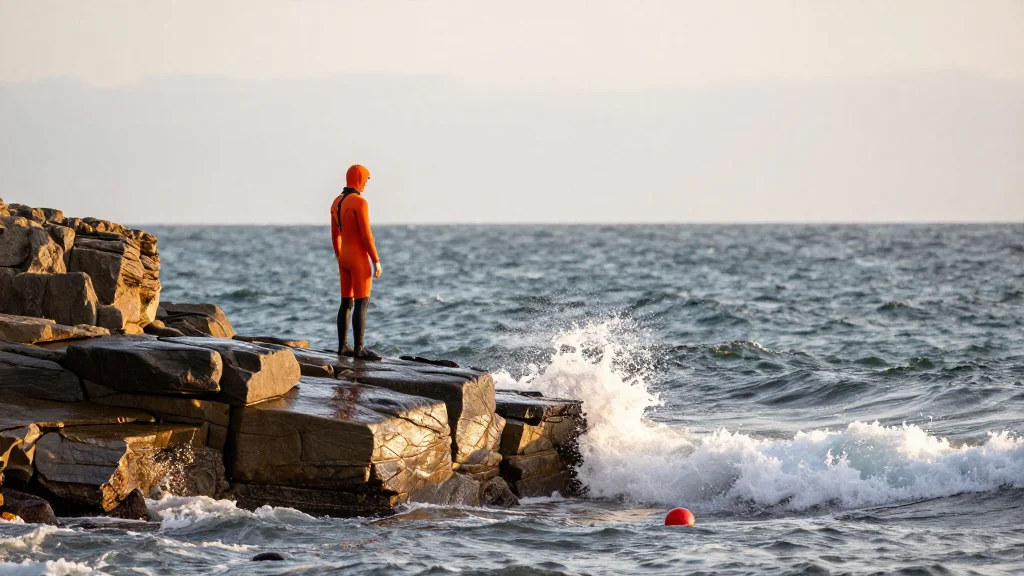
Pembrokeshire National Park to License Coasteering, Aiming to Protect Wildlife

Why It Matters
The introduction of a licensing regime for coasteering in Pembrokeshire marks one of the first attempts in the UK to formally regulate a niche outdoor activity that has grown into a major tourism draw. By tying commercial access to environmental safeguards, the park is testing a model that could be replicated in other coastal regions facing similar pressures. The outcome will influence how outdoor recreation balances economic benefits with biodiversity protection, a challenge increasingly common as climate change and habitat loss intensify. For the outdoor industry, the scheme signals a shift toward greater accountability. Operators may need to invest in training, monitoring, and possibly redesigning routes to meet licensing criteria, potentially raising the cost of participation for consumers. Conversely, clearer rules could provide long‑term stability, ensuring that popular activities can continue without compromising the ecosystems that make them attractive.
Key Takeaways
- •Pembrokeshire Coast National Park to introduce a £100 coasteering licence in May
- •Twelve current coasteering sites will be subject to environmental assessments
- •Park chief executive Tegryn Jones says the scheme aligns coasteering with other commercial licences
- •Wildlife campaigner Dagmarr Moore urges protection of sensitive sites like Ceibwr Bay
- •Operator Mark Hicks warns the move could curtail a key summer revenue stream
Pulse Analysis
The licensing initiative reflects a broader trend of formalizing oversight for adventure tourism, a sector that has historically relied on voluntary codes. In the early 2000s, similar frameworks were introduced for activities such as zip‑lining and mountain biking, driven by mounting evidence of ecological impact. Pembrokeshire’s approach differs by integrating a modest fee structure that not only funds enforcement but also creates a financial disincentive for non‑compliant operators. This could encourage a market shift toward higher‑quality, low‑impact experiences, aligning with the growing consumer preference for sustainable travel.
Historically, Wales has championed coasteering as a cultural export, with the sport’s roots in Pembrokeshire dating back to the 1980s. The new licensing regime risks alienating long‑standing providers who view the move as bureaucratic overreach. However, the park’s reference to Anglesey’s seasonal exclusion zone suggests a willingness to adopt flexible, site‑specific solutions rather than blanket bans. If the environmental assessments demonstrate that certain routes can coexist with wildlife, the licensing model could become a template for balancing recreation and conservation across the UK’s coastal national parks.
Looking ahead, the success of the scheme will hinge on transparent data collection and stakeholder engagement. Continuous monitoring of nesting bird populations and seal haul‑outs, coupled with clear reporting to operators, could build trust and demonstrate the tangible benefits of regulation. Conversely, if the licence fees rise sharply or enforcement appears uneven, the industry may push back, potentially lobbying for a revised framework. The next twelve months will be critical in determining whether Pembrokeshire can preserve its "coasteering heartland" while maintaining the economic vitality that underpins the region’s tourism economy.
Pembrokeshire National Park to License Coasteering, Aiming to Protect Wildlife
Comments
Want to join the conversation?
Loading comments...