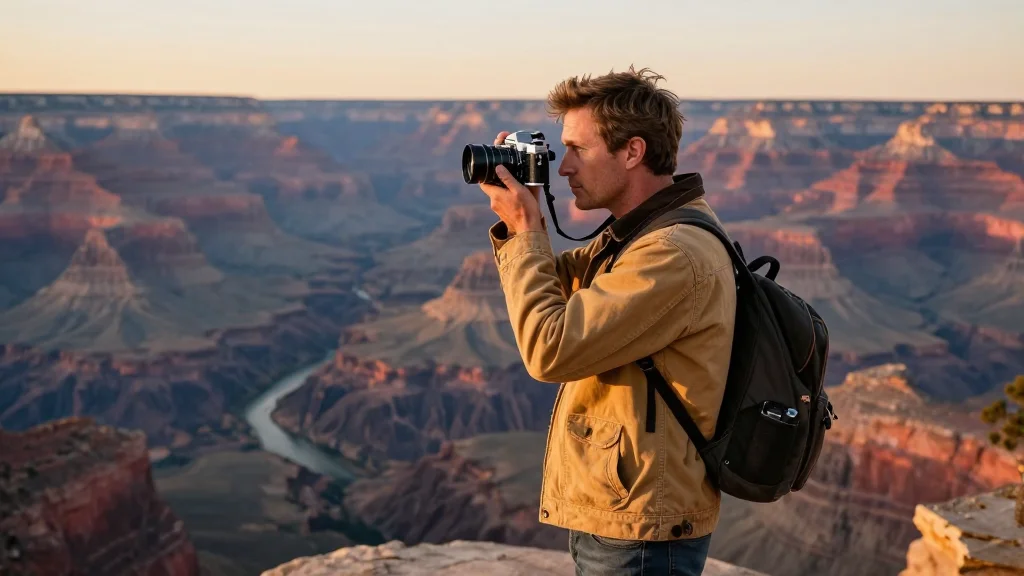
Pete McBride Completes 750‑Mile Grand Canyon Thru‑Hike, Debuts Film at Sundance

Why It Matters
McBride’s 750‑mile trek shines a spotlight on three intersecting challenges facing the outdoors: the growing water scarcity of the American West, the cultural and environmental pressures on Indigenous lands, and the surge in extreme‑distance hiking that tests park infrastructure. By translating his on‑the‑ground experience into film and a book, he provides a visceral case study that could shape policy discussions around water allocation, mining regulations, and visitor management in national parks. The story also underscores a broader trend of adventure storytelling driving conservation awareness. As more hikers pursue record‑breaking routes, the need for sustainable trail design and respectful engagement with tribal communities becomes urgent. McBride’s narrative may encourage outdoor brands, park authorities, and the public to prioritize stewardship alongside recreation.
Key Takeaways
- •Pete McBride completed a 750‑mile tip‑to‑tail Grand Canyon hike with author Kevin Fedarko.
- •The trek highlighted daily water scarcity, with hikers often scrambling for reliable sources.
- •McBride interviewed members of 11 Indigenous tribes, raising concerns about mining and water contamination.
- •His documentary “Into the Canyon” will debut at the Sundance Nature Alliance Voices of Nature Series.
- •McBride’s new book “Witness to Water” chronicles 20 years of Colorado River documentation.
Pulse Analysis
The resurgence of ultra‑endurance hikes like McBride’s 750‑mile Grand Canyon trek reflects a cultural shift toward immersive, narrative‑driven outdoor experiences. Unlike traditional rim‑to‑rim hikes, tip‑to‑tail journeys demand self‑reliance, deep geographic knowledge, and a willingness to confront logistical nightmares such as water scarcity. This new breed of adventurer is not just seeking personal triumph; they are leveraging their exploits to amplify environmental messages, as McBride does through film and publishing.
Historically, the Grand Canyon has been a showcase for tourism, but its increasing visitor numbers have strained water supplies and heightened the risk of ecological degradation. McBride’s on‑the‑ground observations provide a rare, data‑rich perspective that complements scientific studies on water stress. By foregrounding Indigenous voices, the narrative also challenges the long‑standing exclusion of tribal perspectives from mainstream park discourse, potentially reshaping how agencies engage with sovereign nations on land‑use decisions.
Looking ahead, the commercial potential of such storytelling is significant. Outdoor brands are eager to associate with authentic, high‑stakes adventures, while streaming platforms seek compelling nature documentaries. If McBride’s film garners critical acclaim, it could catalyze a wave of similar projects that blend extreme sport with advocacy, prompting park managers to reconsider permitting policies, trail maintenance budgets, and collaborative frameworks with tribal governments. The key question remains whether the heightened visibility will translate into concrete policy action or remain a compelling but isolated narrative.
Pete McBride Completes 750‑Mile Grand Canyon Thru‑Hike, Debuts Film at Sundance
Comments
Want to join the conversation?
Loading comments...