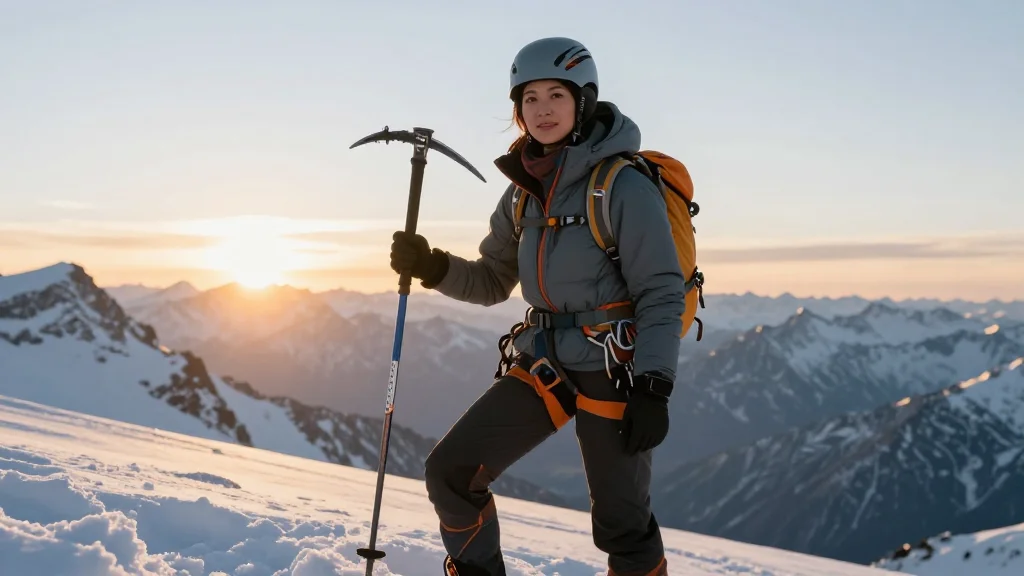
Purnima Shrestha Sets Record as First Woman to Summit Everest Three Times in 13 Days

Why It Matters
Shrestha’s triple summit not only sets a new benchmark for endurance in high‑altitude mountaineering but also serves as a powerful narrative for gender inclusion in the outdoors. By breaking a world‑record traditionally held by men, she expands the perceived possibilities for female athletes, potentially influencing sponsorship decisions, media coverage, and recruitment within expedition companies. Moreover, her feat draws attention to the physiological and logistical challenges of repeated Everest ascents, prompting industry stakeholders to reassess safety protocols and support structures for climbers attempting multiple summits in a single season. The record also resonates beyond the climbing community, inspiring a broader audience of adventure enthusiasts to consider more ambitious goals. As climate change continues to affect mountain environments, stories like Shrestha’s highlight the need for sustainable climbing practices and heightened awareness of the environmental impact of increased traffic on iconic peaks.
Key Takeaways
- •Purnima Shrestha completed three Everest summits in 13 days, a first for any woman.
- •All three ascents occurred during the current climbing season, with the third summit achieved less than two weeks after the first.
- •Shrestha is also a noted photojournalist, documenting Himalayan expeditions.
- •Experts cite extreme stamina and logistical precision as essential for repeated high‑altitude climbs.
- •Her achievement has sparked global social‑media praise and discussions on gender equity in mountaineering.
Pulse Analysis
Shrestha’s record arrives at a crossroads for high‑altitude tourism. Historically, Everest expeditions have been dominated by repeat male climbers, often supported by Sherpa guides who handle the bulk of logistical work. By achieving three summits in rapid succession, Shrestha demonstrates that with rigorous conditioning and strategic planning, the traditional model of a single summit per season can be challenged. This could incentivize commercial operators to offer more aggressive summit packages, though such a shift would demand stricter safety oversight to mitigate the heightened physiological strain.
From a market perspective, the narrative of a female climber breaking a world record aligns with brands seeking authentic stories of empowerment. Sponsorships and gear endorsements may increasingly target women athletes who can deliver both performance credibility and compelling storytelling. However, the industry must balance commercial interest with the ethical imperative to protect climbers from the lure of record‑chasing that could compromise safety.
Looking forward, Shrestha’s accomplishment may catalyze a new wave of multi‑summit attempts, prompting research into optimal acclimatization schedules and recovery protocols. If more climbers pursue similar feats, we could see a reevaluation of permit policies by Nepal’s Ministry of Tourism, potentially limiting the number of rapid‑repeat ascents to preserve the mountain’s fragile environment. Ultimately, Shrestha’s triple ascent not only rewrites a personal record but also forces the broader outdoors community to reconsider how endurance, gender, and commercial ambition intersect on the world’s highest stage.
Purnima Shrestha Sets Record as First Woman to Summit Everest Three Times in 13 Days
Comments
Want to join the conversation?
Loading comments...