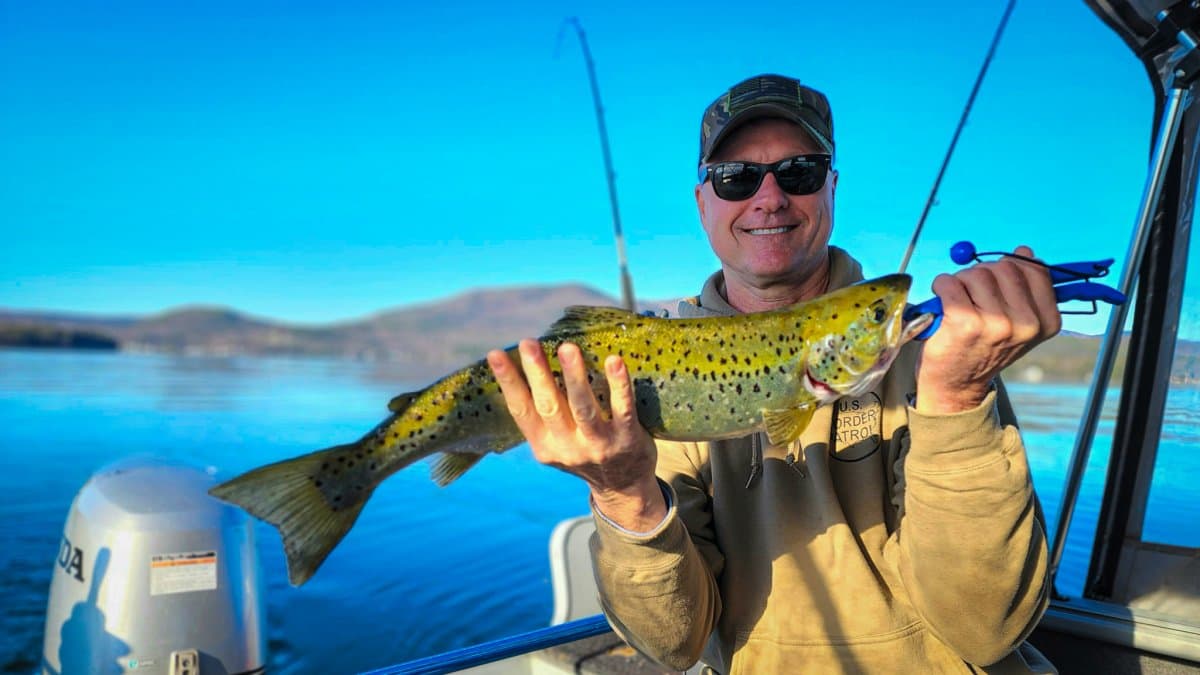
Quick Strike Podcast: The Early-Season Salmon Bite Most Anglers Miss
Why It Matters
April’s shallow, smelt‑driven salmon bite offers anglers higher catch rates and drives economic activity for regional fisheries and guide services.
Key Takeaways
- •April offers shallow, predictable salmon locations before smelt disperse
- •Live smelt bait yields higher catches than deep trolling
- •Flat-line trolling without weight mimics natural smelt movement
- •Free swim with live smelt reduces catches, improves fight
- •Early-season success boosts license sales and guide revenues
Pulse Analysis
The landlocked Atlantic salmon fishery, a niche yet lucrative segment of the U.S. angling market, thrives on decades‑long stocking programs in the Northeast. States like Maine and New Hampshire have turned these salmon into a tourism draw, with license sales and guide fees contributing noticeably to local economies. While the species lacks the high‑profile allure of Pacific king or silver runs, its confined habitats create a concentrated demand for specialized expertise, making early‑season tactics especially valuable for both hobbyists and professional outfitters.
In early April, water temperatures hover just above freezing, prompting a massive smelt run that concentrates prey in the lake’s shallows. Salmon, driven by a high‑protein diet, follow these baitfish into depths of 12 feet or less, presenting a predictable window for anglers. Moore’s flat‑line trolling method—essentially dragging a live smelt on a simple hook without added weight—leverages this behavior, allowing the bait’s natural spiral motion to entice strikes. Compared with traditional deep‑water trolling using spoons or crankbaits, this approach dramatically increases bite frequency while simplifying gear requirements, making it accessible to a broader range of anglers.
For the guide industry, mastering these early‑season techniques translates into higher booking rates and stronger ancillary sales, such as bait and equipment rentals. As climate variability nudges seasonal ice melt patterns, anglers who adapt to shifting smelt timelines will retain a competitive edge. Moreover, the emphasis on sustainable, low‑impact fishing—eschewing heavy gear and focusing on natural bait—aligns with growing consumer demand for environmentally responsible outdoor recreation. Embracing these insights can boost catch success, enhance the overall fishing experience, and sustain the economic vitality of Northeast salmon fisheries.
Quick Strike Podcast: The Early-Season Salmon Bite Most Anglers Miss
Comments
Want to join the conversation?
Loading comments...