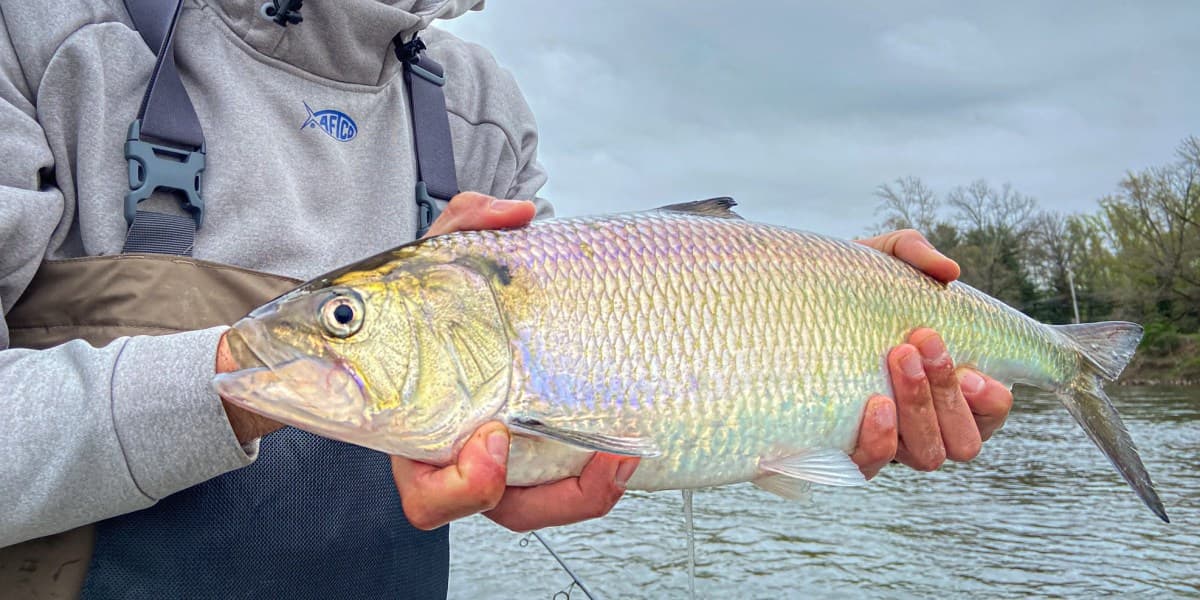
Quick Strike Podcast: The Secret Spoon for Catching Big Shad
Why It Matters
Mastering the shad spoon rig can dramatically increase harvests during the lucrative spring run, a key revenue period for charter services and tackle retailers. The methods also preserve a traditional fishing practice while adapting to modern equipment.
Key Takeaways
- •Willow‑leaf shad spoons trace back to 1970s Connecticut
- •Steve’s UV Leaves spoons are considered the “Cadillac” of shad lures
- •On‑bank rig: 2‑4 ft leader, barrel swivel, bullet sinker, Carolina set‑up
- •Boat anglers use hook‑less crankbaits to control spoon depth and action
- •Light line (≤8 lb test) and flexible “noodle” rods improve hook‑sets
Pulse Analysis
Shad fishing has long been a cultural staple along the Atlantic seaboard, drawing both recreational anglers and commercial charter operators during the spring migration. The fish’s unique behavior—remaining motionless after leaving saltwater—makes lure selection critical, and the willow‑leaf shad spoon, first crafted in Connecticut in the 1970s, has emerged as the benchmark. Its thin, reflective blade mimics the flash of baitfish, triggering aggressive strikes that translate into higher catch rates and, consequently, increased revenue for guide services and local tackle shops.
The effectiveness of the shad spoon hinges on precise rigging. Reigles recommends a two‑to‑four‑foot leader topped with a barrel swivel and a bullet sinker, essentially a Carolina rig that keeps the spoon near the river bottom where shad travel. Pairing this setup with ultra‑light line (eight‑pound test or lighter) and a flexible “noodle” rod—often 9 to 11 feet long—creates a shock‑absorbing system that improves hook‑sets on the fish’s delicate mouth. These low‑profile configurations reduce drag and allow the spoon’s flutter to dominate the water column, maximizing the lure’s visual appeal.
On the water, boat anglers have refined the technique by using a hook‑less crankbait as a depth‑control conduit. By attaching the spoon to the crankbait’s rear eye, anglers can fine‑tune the spoon’s depth from three to ten feet with a simple lure swap, maintaining constant presence in high‑traffic shad lanes. This modern adaptation, combined with premium spoons like Steve’s UV Leaves, fuels a niche market for high‑performance tackle, encouraging manufacturers to innovate while preserving a time‑honored fishing tradition. The result is a more productive season for anglers and a stronger economic ripple throughout the sport‑fishing ecosystem.
Quick Strike Podcast: The Secret Spoon for Catching Big Shad
Comments
Want to join the conversation?
Loading comments...