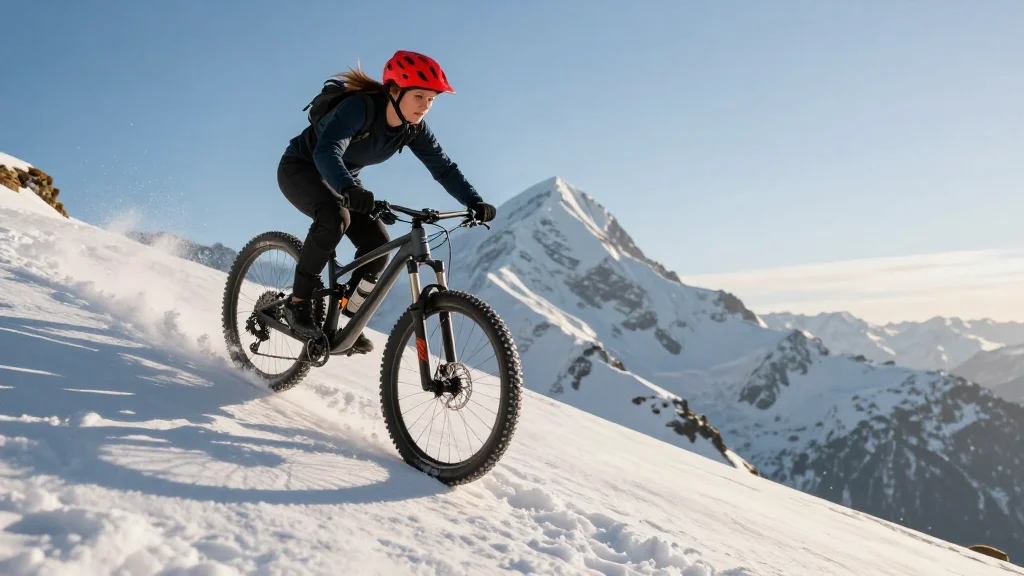
Rea Kolbl Completes First Female Descent of 6,770‑m Cerro Mercedario

Why It Matters
The first female descent of Cerro Mercedario signals a shift in the high‑altitude adventure community, where women are increasingly visible in pursuits once dominated by men. By proving that a self‑supported, alpine‑style bike expedition can succeed at 6,770 m, the team challenges assumptions about physiological limits and equipment design, prompting manufacturers and organizers to consider broader inclusivity. Moreover, the expedition adds to the limited data pool on extreme‑altitude biking, offering insights into how reduced oxygen, cold temperatures, and glacier conditions affect performance and safety. This knowledge is crucial as climate change reshapes mountain environments and as more athletes seek to push the envelope of what is rideable. Beyond gender representation, the ride underscores the growing legitimacy of mountain biking as a high‑altitude sport. The documented success may encourage tourism boards in the Andes and elsewhere to develop regulated, low‑impact bike routes, balancing adventure tourism with ecological preservation. In turn, local economies could benefit from a new niche market, while conservationists gain a platform to advocate for responsible trail use.
Key Takeaways
- •Rea Kolbl completed the first female summit‑to‑base bike descent of Cerro Mercedario (6,770 m).
- •The team rode 3,700 m of singletrack back to the trailhead, covering 22 km of technical terrain.
- •Expedition was self‑supported alpine style: no porters, mules, or organized camps.
- •Previous riders Andreas Tonelli and Giovanni Mattielo identified the peak as the highest rideable mountain.
- •The descent provides new data on high‑altitude biking performance and equipment needs.
Pulse Analysis
Rea Kolbl’s Cerro Mercedario descent is more than a personal milestone; it represents a convergence of three trends reshaping the outdoors sector: gender diversification, data‑driven adventure, and the commercialization of extreme terrain. Historically, high‑altitude mountaineering has been male‑centric, with women’s achievements often relegated to niche publications. Kolbl’s high‑visibility ride, amplified by video and social media, challenges that paradigm, offering a template for sponsors and brands eager to align with gender‑inclusive narratives. Companies that invest in lightweight, oxygen‑efficient gear stand to capture a nascent market of female athletes seeking performance parity at altitude.
From a technical standpoint, the expedition’s meticulous preparation—altitude‑tent acclimatization, water logistics, and custom energy spreadsheets—highlights a shift toward scientific rigor in adventure sports. As more athletes adopt data‑centric training, manufacturers will likely respond with telemetry‑enabled bikes and apparel, creating a feedback loop that raises the performance ceiling for all riders. This trend mirrors the broader outdoor industry’s move toward wearable tech and real‑time monitoring, suggesting that high‑altitude biking could become a testing ground for next‑generation equipment.
Finally, the commercial implications are significant. The Andes have long been a magnet for trekkers, but high‑altitude bike tourism remains underdeveloped. Kolbl’s documented success could catalyze guided expeditions, regulated by local authorities to mitigate environmental impact. If managed responsibly, this could diversify income streams for remote mountain communities while fostering stewardship. However, increased traffic also raises concerns about trail erosion and glacier degradation, underscoring the need for robust sustainability frameworks. In sum, the descent is a catalyst that may accelerate gender equity, technological innovation, and sustainable tourism in the high‑altitude outdoors arena.
Rea Kolbl Completes First Female Descent of 6,770‑m Cerro Mercedario
Comments
Want to join the conversation?
Loading comments...