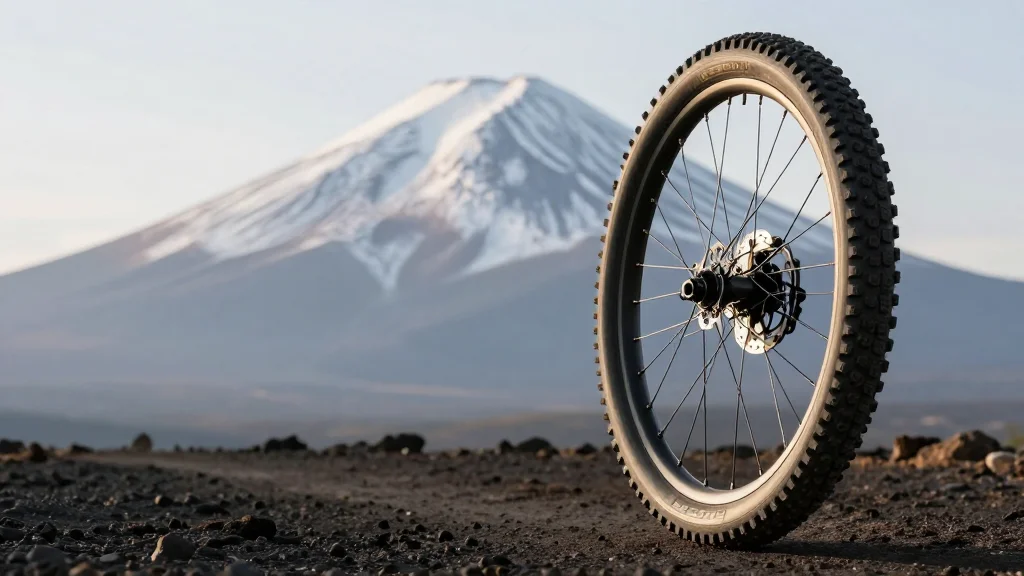
Recovering Alcoholic Cycles Mount Fuji to Mark Three Years Sobriety

Why It Matters
James’s Fuji expedition illustrates how personal endurance challenges can amplify mental‑health messaging, especially for men who are statistically less likely to seek help. By linking a high‑profile outdoor feat with a charitable cause, the effort may inspire similar initiatives that blend adventure tourism with social impact. Moreover, the story underscores the therapeutic potential of disciplined physical activity for individuals recovering from substance abuse and trauma. The undertaking also highlights the role of regional media in elevating local heroes to national attention, potentially driving increased funding for charities like MATE. As more athletes adopt this model, the outdoors sector could see a surge in purpose‑driven expeditions, reshaping how adventure travel is marketed and perceived.
Key Takeaways
- •Phil James will cycle the 3,776‑metre ascent of Mount Fuji to mark three years sober.
- •The challenge includes carrying his bike, gear and sleeping on the mountain.
- •James previously cycled Vesuvius and raised funds for Mind and MATE charities.
- •He trains by speed‑marching up Snowdon while hauling 20 kg of equipment.
- •The expedition aims to raise awareness for men’s mental‑health issues through MATE.
Pulse Analysis
The convergence of extreme sport and mental‑health advocacy is gaining traction, and James’s Fuji ride is a textbook example. Historically, outdoor pursuits have been framed as personal conquests; today, they are increasingly leveraged as platforms for social change. This shift reflects a broader cultural movement where authenticity and purpose drive audience engagement. James’s narrative taps into that zeitgeist, offering a relatable story of redemption that resonates beyond the cycling community.
From a market perspective, the outdoors industry stands to benefit from this trend. Brands that sponsor purpose‑driven athletes can align themselves with causes that matter to consumers, especially younger demographics that prioritize social impact. Moreover, charities like MATE gain visibility and potential donor pools that extend beyond traditional fundraising events. The partnership model—athlete, media, nonprofit—creates a virtuous cycle of storytelling, fundraising, and brand alignment.
Looking ahead, we may see a proliferation of similar campaigns, where individuals tackle iconic peaks, deserts or oceans while championing health, environmental or social issues. For the outdoor sector, this could translate into new product lines (e.g., lightweight gear for multi‑day ascents) and service offerings (guided purpose‑driven expeditions). James’s upcoming climb may thus be a bellwether for a more cause‑centric era in adventure sports.
Recovering Alcoholic Cycles Mount Fuji to Mark Three Years Sobriety
Comments
Want to join the conversation?
Loading comments...