Why It Matters
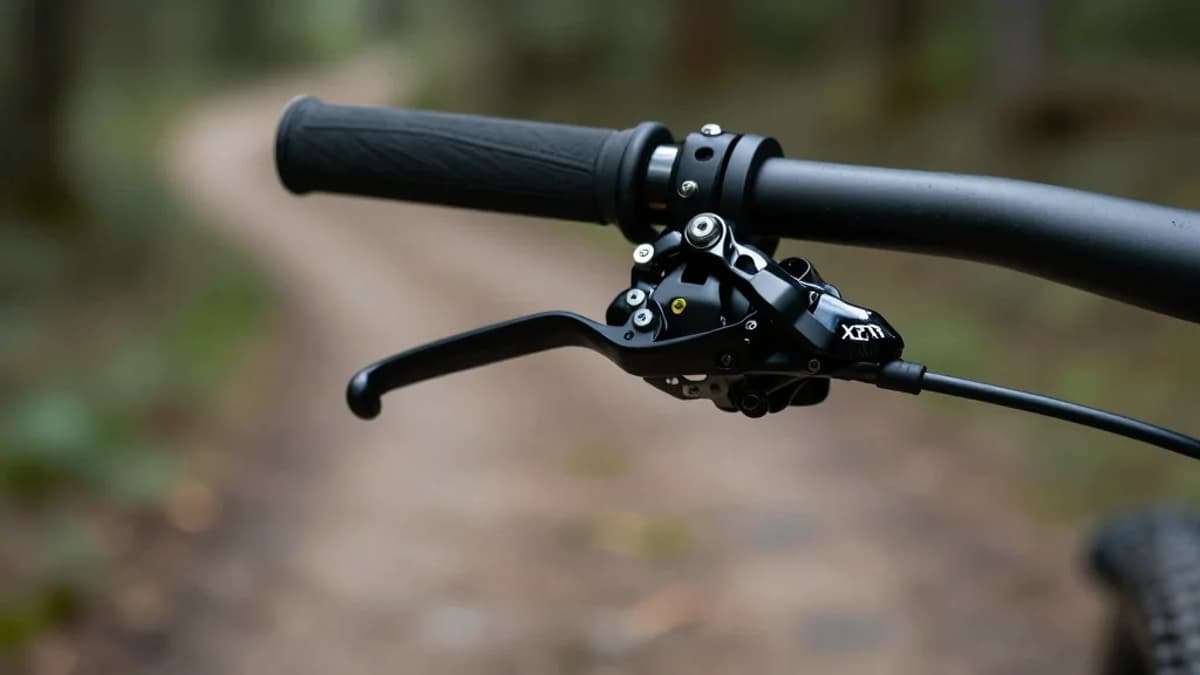
The XTR 9220’s consistency and ergonomic upgrades reinforce Shimano’s dominance in high‑end MTB braking, influencing component choices for serious riders. Its performance and price point also set a benchmark that competitors must meet to stay relevant.
Key Takeaways
- •New XTR uses low‑viscosity mineral oil.
- •Lever redesign improves reach adjustment and ergonomics.
- •Consistent bite point reduces wandering, enhances confidence.
- •Free‑stroke deadband remains large, limited adjustability.
- •Power comparable to Saints, but not top‑performing.
Pulse Analysis
The mountain‑bike braking segment continues to prioritize precision, weight savings, and reliability, and Shimano remains a pivotal player. The XTR 9220 introduces a low‑viscosity mineral oil that flows more freely through the caliper, reducing the notorious wandering bite point that plagued earlier models. Coupled with a lever body that aligns with internal cable routing, the redesign simplifies installation and offers a cleaner cockpit aesthetic. For mechanics and DIY enthusiasts, the bleed process stays familiar, but the new oil demands careful handling to preserve the brake’s newfound consistency.
Performance testing highlights the XTR 9220’s balanced character. An 823‑gram pull force to reach the bite point places it seventh in a comparative water‑bottle test, while a 28.2‑meter stop in the Honda Fit test lands it sixth overall, indicating respectable power without the aggressive feel of Shimano’s Saint line. Riders will appreciate the sharp, predictable bite and reduced pad chatter, yet the sizable free‑stroke deadband may require fine‑tuning through bleed tricks rather than mechanical adjustments. This trade‑off positions the XTR as a versatile option for aggressive descents and technical trail work where modulation matters more than raw stopping distance.
From a market perspective, the $670 price tag situates the XTR 9220 between entry‑level premium brakes and top‑tier offerings, challenging rivals like SRAM’s Level and Hope’s Tech 3. Its blend of ergonomic upgrades, consistent feel, and mid‑range power forces competitors to innovate on both fluid technology and lever geometry. As riders increasingly demand brakes that deliver confidence with minimal maintenance, Shimano’s incremental yet impactful refinements may set the standard for the next generation of high‑performance MTB braking systems.
Review: Shimano XTR 9220 Brakes - Consistency is Key
0
Comments
Want to join the conversation?
Loading comments...