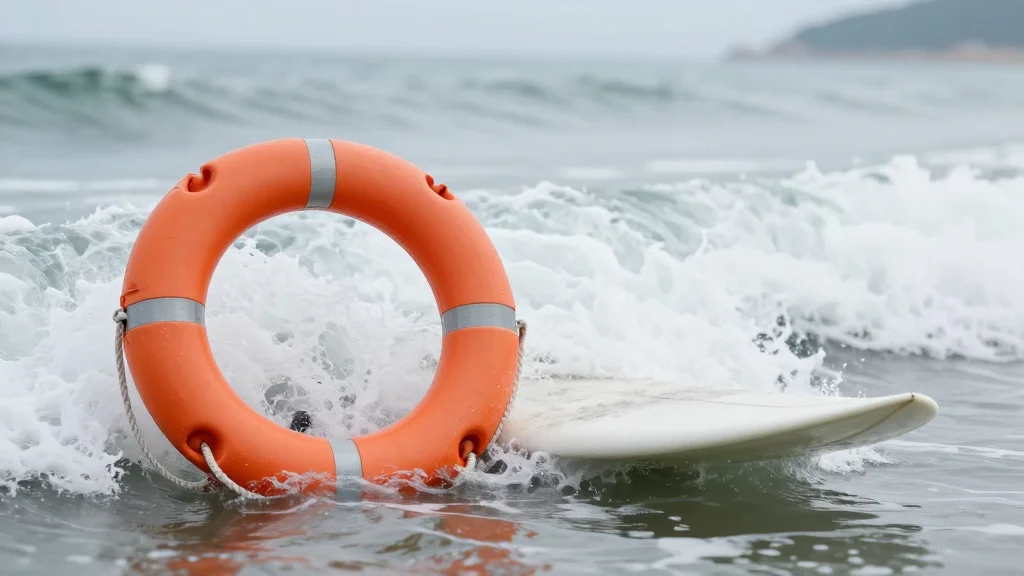
Riptide Warning Issued After Surfer Pulled Out to Sea Off East Lothian

Why It Matters
Rip currents are a leading cause of drowning incidents worldwide, and the East Lothian coast has seen a rise in surf tourism over the past decade. By issuing a timely warning and showcasing a successful rescue, the RNLI reinforces the importance of coordinated emergency response and public education. The incident also serves as a case study for how experienced surfers can still fall victim to sudden current shifts, prompting a reevaluation of safety curricula at surf schools. For coastal communities, the event highlights the economic stakes tied to safe recreation. Tourism revenue from surf schools, equipment rentals, and local hospitality can be jeopardized if perceived risks rise. Proactive warnings and clear safety messaging help preserve confidence among visitors while protecting lives.
Key Takeaways
- •Experienced surfer pulled out to sea by a rip current off Dunbar, East Lothian on Friday morning
- •RNLI lifeboat David Lauder launched within ten minutes; surfer paddled 40 minutes back to shore
- •Coastguard teams from Dunbar and North Berwick assisted; riptide warning issued for the area
- •Surf school instructor Sam Christopherson emphasized side‑paddle escape technique and board retention
- •RNLI helm Adrian Lavery praised the surfer’s calm response and confirmed no injuries
Pulse Analysis
The East Lothian incident illustrates a broader shift in how emergency services manage offshore rescues amid increasingly volatile marine conditions. Historically, rip‑current incidents were treated as isolated events, but the rapid deployment of both lifeboat and Coastguard resources signals a more integrated approach. This coordination reduces response times, which can be the difference between a safe return and a fatality.
From a market perspective, surf schools and coastal tourism operators are likely to double‑down on safety training. The explicit endorsement of side‑paddle techniques by a senior instructor provides a concrete teaching point that can be incorporated into certification programs. As surf tourism expands, especially among younger demographics seeking adventure travel, operators that can demonstrate robust safety protocols will gain a competitive edge.
Looking forward, the RNLI’s willingness to stand down the rescue once the surfer reached shore suggests confidence in community self‑rescue capabilities, but also underscores the need for continuous public education. Future policy could involve mandatory briefings at popular surf spots, real‑time current monitoring via buoy networks, and mobile alerts that reach users before they enter the water. Such measures would not only protect individuals but also sustain the economic vitality of coastal recreation economies.
Riptide warning issued after surfer pulled out to sea off East Lothian
Comments
Want to join the conversation?
Loading comments...