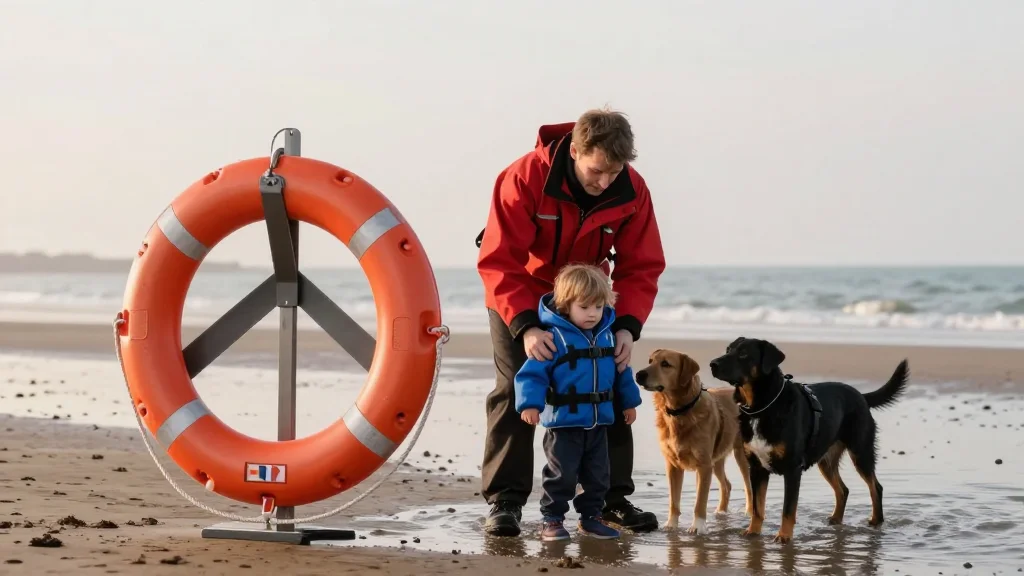
RNLI Lifeboat Saves Two Adults, Child and Two Dogs From Rising Tide at Wells-Next-the-Sea

Why It Matters
The rescue underscores the growing importance of water safety education for outdoor recreation in coastal regions. As climate change drives more extreme tidal fluctuations, incidents like the Wells‑next‑the‑Sea rescue could become more frequent, placing additional pressure on volunteer rescue services and local authorities. Understanding and respecting tide schedules is now a critical component of responsible beach use, affecting tourism, local economies, and public health. Moreover, the event highlights the role of the RNLI as a frontline responder in the outdoors sector, bridging the gap between recreational enjoyment and emergency preparedness. Their swift action not only saved lives but also provided a real‑world case study that can inform policy, signage, and community outreach across the UK’s extensive coastline.
Key Takeaways
- •Two adults, a child and two dogs rescued from knee‑deep water at Wells-next-the-Sea on Saturday.
- •RNLI crew arrived within minutes of a 17:26 BST call and completed the rescue in about 15 minutes.
- •Mandy Humphreys warned beachgoers to return to dry sand at least four hours before high tide.
- •Unusually large tides this week have increased the risk of rapid sand loss and cut‑off incidents.
- •RNLI plans heightened patrols and outreach workshops to improve tide‑related safety awareness.
Pulse Analysis
The Wells‑next‑the‑Sea rescue illustrates a shifting risk profile for coastal outdoor activities. Historically, UK beach safety messaging focused on rip currents and weather, but the increasing frequency of anomalously high tides is reshaping the hazard landscape. This trend aligns with broader climate data showing sea‑level rise and altered tidal patterns, which amplify the speed at which shorelines become inundated. For the outdoors industry—tour operators, local councils, and equipment retailers—this translates into a need for updated safety protocols, real‑time tide monitoring tools, and perhaps new product offerings such as portable tide‑alert devices.
From a market perspective, the incident could spur demand for digital solutions that integrate tide forecasts with GPS navigation, similar to apps already popular among surfers. Companies that can deliver reliable, location‑specific alerts may capture a niche yet growing segment of safety‑conscious beachgoers. Simultaneously, the RNLI’s visibility in high‑profile rescues reinforces its brand as a trusted guardian of the coast, potentially attracting more volunteers and donors, which are essential for maintaining its extensive lifeboat network.
Looking forward, policymakers may need to reconsider coastal zoning and public information strategies. The four‑hour rule advocated by RNLI officials could become a standard recommendation embedded in signage, mobile alerts, and even rental agreements for beach equipment. As tidal extremes become the new normal, the outdoors sector must adapt its risk management frameworks to protect both visitors and the vital rescue infrastructure that supports them.
RNLI Lifeboat Saves Two Adults, Child and Two Dogs from Rising Tide at Wells-next-the-Sea
Comments
Want to join the conversation?
Loading comments...