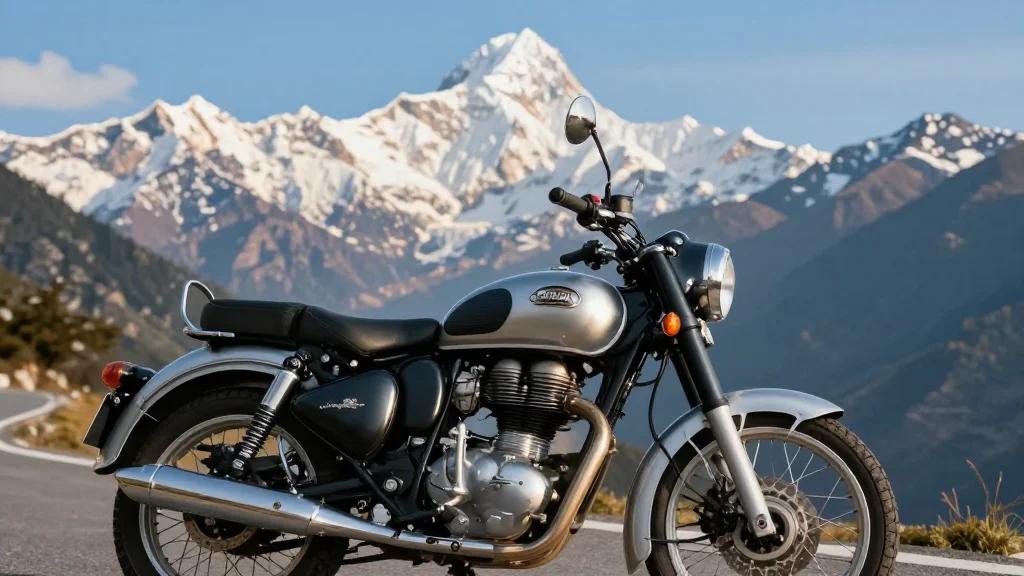
Royal Enfield Unveils Himalayan Odyssey 2026 with Four New Routes

Why It Matters
The Himalayan Odyssey 2026 marks a pivotal moment for adventure tourism in the Indian subcontinent. By expanding from a single, monolithic trek to four distinct routes, Royal Enfield is democratizing high‑altitude motorcycling, making it accessible to a broader spectrum of riders—from seasoned explorers to cultural tourists seeking a shorter immersion. This diversification is likely to boost footfall in remote Himalayan districts, driving economic growth, creating seasonal jobs, and prompting infrastructure improvements that can have lasting benefits beyond the event itself. Moreover, the expedition aligns with a global surge in experiential travel, where authenticity and community engagement are prized over conventional sightseeing. Royal Enfield’s focus on local stories and heritage positions the brand as a cultural conduit, potentially reshaping how adventure brands collaborate with indigenous populations and local governments. The success of this model could inspire similar multi‑route, community‑centric events across other mountain ranges, redefining the economics of outdoor tourism.
Key Takeaways
- •Royal Enfield launches the 22nd Himalayan Odyssey, celebrating its 125th anniversary
- •Four routes announced: Original (June 25‑July 10), Explore (June 26‑July 5), Nubra Circuit (June 29‑July 5), Kargil Circuit (June 29‑July 5)
- •Registrations open now via the official Royal Enfield website with early‑bird pricing
- •Routes traverse Ladakh, Zanskar and Himachal Pradesh, covering both cultural and high‑altitude riding experiences
- •Event expected to boost tourism revenue and infrastructure in remote Himalayan communities
Pulse Analysis
Royal Enfield’s decision to fragment the Himalayan Odyssey into four distinct experiences reflects a strategic pivot toward market segmentation. Historically, the Odyssey operated as a single, monolithic trek, appealing primarily to hardcore enthusiasts willing to commit to a two‑week odyssey. By introducing shorter circuits and a self‑supported Explore format, the brand taps into two emerging consumer trends: the desire for flexible, time‑constrained travel and the growing appetite for rugged, low‑support adventures. This move not only widens the addressable market but also mitigates risk by diversifying revenue streams across multiple route offerings.
From a competitive standpoint, the Indian adventure tourism sector is heating up, with rivals like BMW Motorrad and local tour operators launching their own high‑altitude rides. Royal Enfield’s advantage lies in its heritage and deep dealer network across the subcontinent, which can deliver localized support faster than foreign entrants. However, the brand must navigate logistical challenges—fuel availability, medical evacuation, and unpredictable weather—that have historically plagued Himalayan expeditions. Successful execution will hinge on robust partnerships with regional authorities and real‑time monitoring capabilities.
Looking ahead, the 2026 Odyssey could serve as a template for scaling adventure events across other mountain ranges in Asia and beyond. If the multi‑route model proves profitable and safe, we may see similar structures adopted for the Andes, the Rockies, or the Alps, where tourism operators can offer tiered experiences that balance thrill‑seeking with cultural immersion. For Royal Enfield, the stakes are high: a well‑run Odyssey can cement its position as the premier brand for Himalayan motorcycling, while missteps could expose the company to reputational damage in a market that increasingly values safety and sustainability.
Royal Enfield Unveils Himalayan Odyssey 2026 with Four New Routes
Comments
Want to join the conversation?
Loading comments...