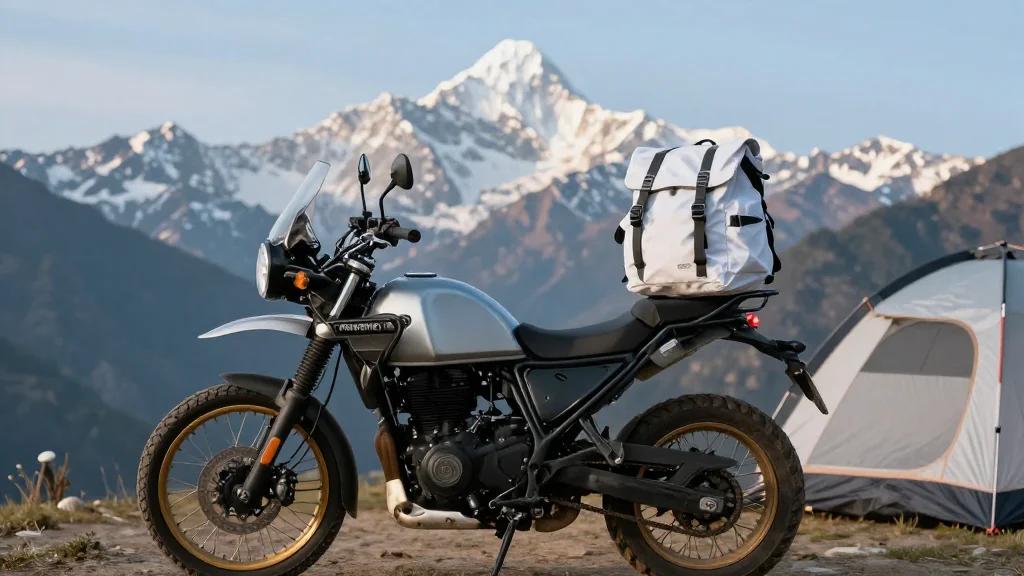
Royal Enfield Unveils Inaugural Himalayan Base Camp Adventure, Sep 4‑6

Why It Matters
Royal Enfield's Himalayan Base Camp signals a shift toward integrated adventure tourism, where manufacturers curate experiences that go beyond product sales. By anchoring the event in Ladakh, the company taps into a growing market of affluent, experience‑seeking travelers, potentially boosting the region's tourism infrastructure and creating new revenue streams for local businesses. The initiative also tests the viability of high‑altitude, multi‑sport events, which could influence how other brands design destination‑focused programs. If successful, the Base Camp could encourage competitors to launch comparable offerings, intensifying competition for limited high‑altitude venues and prompting regional authorities to invest in safety, transport and environmental safeguards. The outcome will shape the balance between commercial adventure experiences and sustainable tourism in fragile mountain ecosystems.
Key Takeaways
- •Event dates: Sept. 4‑6, 2026
- •Location: Leh, Ladakh at 11,480 ft altitude
- •Entry fee: ₹1,499 (~$15)
- •Bike rental prices: ₹10,000‑₹60,000 ($105‑$630)
- •Activities include riding workshops, hiking, kayaking, rafting, mountain biking and GPS navigation challenges
Pulse Analysis
Royal Enfield is leveraging its heritage as an adventure‑motorcycle brand to create a destination experience that blurs the line between product showcase and tourism. Historically, the company has relied on community rides and festivals; this Base Camp marks a strategic escalation, targeting higher‑spending travelers who value curated, multi‑disciplinary adventures. By bundling bike rentals with a suite of outdoor activities, Enfield captures more of the consumer spend, from equipment to on‑site services, effectively turning a single event into a micro‑economy.
The timing aligns with a broader post‑pandemic resurgence in experiential travel, especially among younger affluent cohorts who prioritize authenticity and challenge. Ladakh's growing reputation as a rugged playground makes it an ideal backdrop, but also raises concerns about environmental impact and capacity. If Royal Enfield can manage logistics while delivering a seamless experience, it will set a template for other manufacturers to follow, potentially saturating the market with similar high‑altitude camps. Conversely, any missteps—such as inadequate accommodations or safety oversights—could tarnish the brand's adventure credibility and invite regulatory scrutiny.
Looking ahead, the success of the Base Camp could catalyze a new segment of branded adventure tourism, where vehicle manufacturers act as both product providers and trip organizers. This model may encourage partnerships with local governments and tourism boards, fostering infrastructure upgrades that benefit both the industry and host communities. However, the sustainability of such events will hinge on careful balancing of commercial ambition with ecological stewardship, a tension that will define the next wave of adventure‑focused branding.
Royal Enfield Unveils Inaugural Himalayan Base Camp Adventure, Sep 4‑6
Comments
Want to join the conversation?
Loading comments...