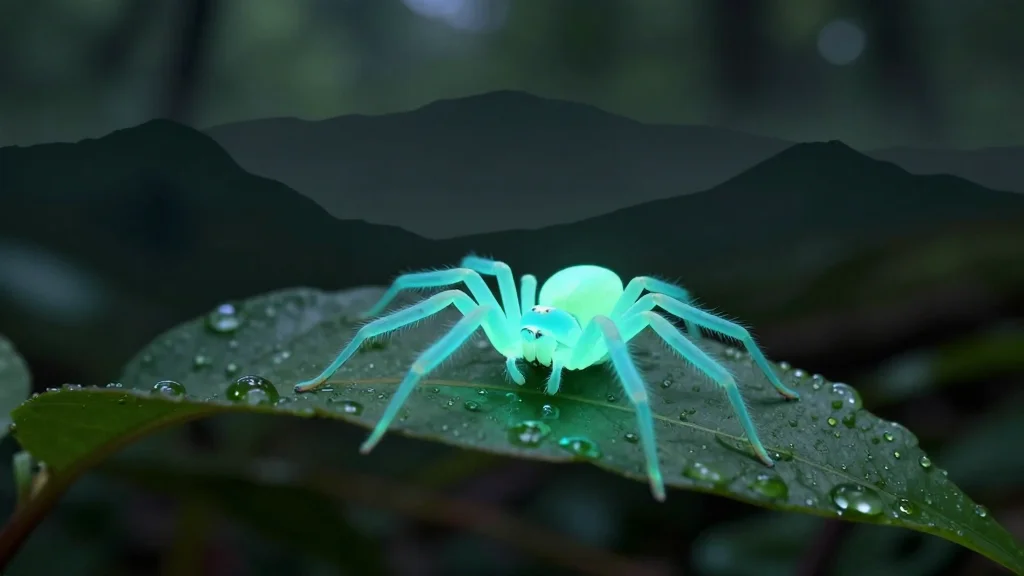
Scientists Uncover 80+ New Species on Angola's Remote Lisima Plateau

Why It Matters
The Lisima Plateau discoveries illustrate how remote, understudied regions can still yield significant biological breakthroughs, reinforcing the need for field‑based research in conservation strategies. By expanding the known inventory of species, scientists can better assess ecosystem health, prioritize habitats for protection, and refine models predicting biodiversity loss under climate change. Moreover, the unique adaptations observed—such as fluorescence and mimicry—offer potential avenues for scientific inquiry in fields ranging from materials science to pharmacology. As human activities continue to erode natural habitats, documenting and safeguarding these newly identified species becomes a race against time.
Key Takeaways
- •16 researchers from the Wilderness Project conducted the expedition in February 2026.
- •More than 80 previously unknown animal species were documented on the Lisima Plateau.
- •Highlights include a fluorescent crowned crab spider and a poisonous ladybug‑mimic orb weaver.
- •Lisima Plateau has been inaccessible due to dense terrain and a prolonged civil war.
- •Findings will inform Angola’s conservation planning and global biodiversity assessments.
Pulse Analysis
The Lisima Plateau expedition underscores a broader shift in biodiversity science: the resurgence of intensive, on‑the‑ground surveys in tandem with remote sensing. While satellite imagery can flag habitat loss, it cannot reveal the fine‑scale taxonomic richness that field teams uncover. This dual approach is becoming essential as the planet approaches a biodiversity tipping point.
Historically, Africa’s interior has been under‑sampled compared with coastal and savanna regions, leaving large swaths of potential endemism undocumented. The new species cataloged on Lisima suggest that similar blind spots likely exist across the continent’s rugged interiors. Funding bodies and NGOs may need to recalibrate priorities, allocating more resources to expeditions that target these hidden hotspots.
From a market perspective, the discovery could stimulate interest from biotech firms seeking novel compounds derived from unique arthropod venoms or fluorescent proteins. Additionally, ecotourism operators may see an opportunity to develop low‑impact, science‑focused tours that bring economic benefits to local communities while supporting conservation. However, any increase in human presence must be carefully managed to avoid the very disturbances that have historically threatened these ecosystems.
Looking ahead, the next steps involve formal taxonomic description, genetic sequencing, and integration of the data into global biodiversity databases such as GBIF. Successful completion will not only enrich scientific knowledge but also provide concrete evidence for policymakers to designate protected areas, potentially averting further loss of irreplaceable genetic resources.
Scientists Uncover 80+ New Species on Angola's Remote Lisima Plateau
Comments
Want to join the conversation?
Loading comments...