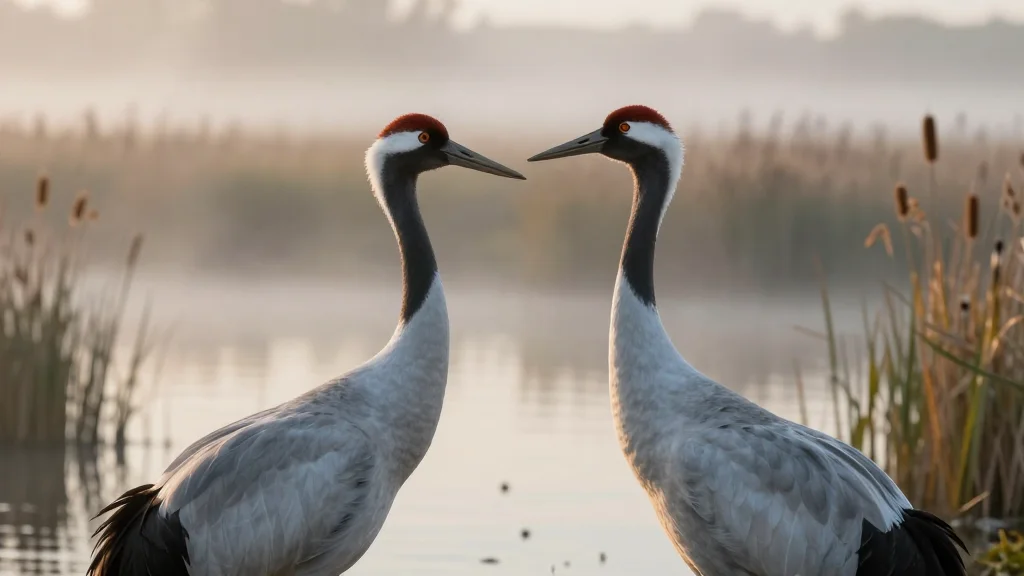
Scotland Records 10 Breeding Pairs of Cranes in 2025, Highest Since 16th Century

Why It Matters
The crane's comeback signals a broader revival of Scotland's wetland ecosystems, which support a suite of biodiversity, carbon sequestration, and flood mitigation services. For outdoor enthusiasts, the presence of these iconic birds enhances wildlife watching opportunities and deepens public engagement with nature. Moreover, the success demonstrates that coordinated conservation—linking NGOs, volunteers, and landowners—can reverse centuries‑old declines, offering a template for other threatened species. The breeding surge also highlights emerging risks. Avian influenza, climate‑driven habitat shifts, and agricultural pressures could quickly reverse progress if not addressed. Policymakers and conservation groups must therefore balance habitat expansion with disease preparedness and sustainable land‑use practices to protect both the cranes and the broader outdoor heritage they symbolize.
Key Takeaways
- •RSPB survey records ten breeding crane pairs in Scotland for 2025, the highest since the 1500s.
- •Nine chicks fledged, doubling the four pairs documented in 2024.
- •Total UK crane population estimated at roughly 520 individuals.
- •Cranes re‑established in Aberdeenshire in 2012 after 400 years of local extinction.
- •Avian influenza identified as a key threat to future breeding success.
Pulse Analysis
Scotland's crane resurgence is more than a wildlife anecdote; it reflects a strategic shift in how outdoor habitats are managed across the UK. Decades of wetland restoration—driven by EU agri‑environment schemes, Scottish government incentives, and RSPB advocacy—have created the mosaic of shallow water and tall reeds that cranes require. This infrastructure now yields measurable outcomes, turning a once‑extinct bird into a breeding regular.
Historically, crane populations were driven to local extinction by intensive drainage and hunting. The modern recovery mirrors the broader rewilding narrative gaining traction in Europe, where large‑scale habitat projects aim to restore ecological processes. The Scottish case demonstrates that rewilding can coexist with productive agriculture, as farmers report cohabitation benefits, including pest control and enhanced landscape aesthetics that attract tourism.
Looking forward, the next challenge will be scaling the model while mitigating disease risk. Avian influenza outbreaks have already forced culls in poultry and wild bird populations elsewhere, threatening the fragile gains made by conservationists. Proactive surveillance, vaccination research, and rapid response protocols will be essential. If Scotland can navigate these hurdles, the crane could become a cornerstone species for a new generation of outdoor recreation, driving both ecological resilience and economic opportunities in rural communities.
Scotland Records 10 Breeding Pairs of Cranes in 2025, Highest Since 16th Century
Comments
Want to join the conversation?
Loading comments...