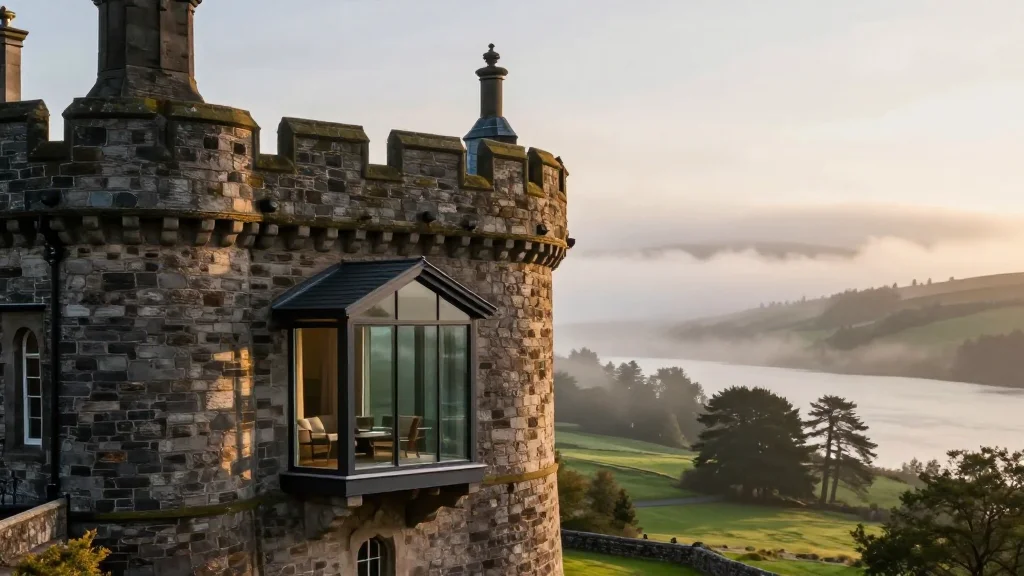
Scotland’s Luxury Wilderness Retreats Blend Opulence with Remote Nature

Companies Mentioned
Why It Matters
The emergence of ultra‑luxury wilderness retreats in Scotland signals a shift in outdoor tourism toward experiences that combine exclusivity with environmental stewardship. By repurposing historic estates, operators can attract high‑spending visitors, bolstering local economies and funding conservation initiatives. However, the model also intensifies scrutiny over the ecological footprint of luxury development in remote areas, prompting regulators and communities to weigh economic benefits against preservation goals. If the trend accelerates, Scotland could become a benchmark for integrating heritage preservation, high‑end hospitality, and sustainable land management. The success or failure of these retreats will inform how other regions balance the lure of affluent tourists with the imperative to protect natural landscapes.
Key Takeaways
- •Aldurie Castle sits on a 500‑acre Wildland estate owned by Anders and Anne Povlsen.
- •Glenmorangie House, owned by LVMH’s Glenmorangie brand, offers exclusive whisky tours and opulent design.
- •Crossbasket Castle opened a new 40‑room complex and cabaret restaurant in 2025.
- •These retreats blend historic preservation with high‑end outdoor tourism.
- •Debate continues over luxury tourism’s impact on Scotland’s wilderness and local communities.
Pulse Analysis
Scotland’s luxury wilderness retreat boom reflects a convergence of heritage tourism and the premium outdoor market, a segment that has grown double‑digit annually since 2020. The Povlsens’ Wildland project illustrates how landowners can monetize conservation through curated experiences, a model that mirrors similar initiatives in New Zealand and the American West. By leveraging brand equity—LVMH’s involvement at Glenmorangie House—operators can command premium rates while differentiating their offerings through unique cultural assets, such as distillery access or historic architecture.
The 2025 expansion at Crossbasket Castle demonstrates that proximity to urban centers can be a competitive advantage, allowing affluent city dwellers to escape quickly without sacrificing luxury. However, the model’s reliance on exclusivity may limit broader economic spillovers, concentrating benefits among owners and high‑end service providers. To sustain growth, stakeholders will need to address community concerns, ensure that environmental safeguards are enforceable, and possibly adopt tiered pricing that includes more accessible experiences.
Future dynamics will hinge on regulatory responses and consumer sentiment. If sustainability standards become more rigorous, operators may need to invest in renewable energy, low‑impact construction, and transparent reporting on wildlife impacts. Conversely, if demand for curated, high‑comfort nature stays strong, we could see a wave of similar conversions across Europe, reshaping the luxury travel landscape while redefining how wilderness is experienced and protected.
Scotland’s Luxury Wilderness Retreats Blend Opulence with Remote Nature
Comments
Want to join the conversation?
Loading comments...