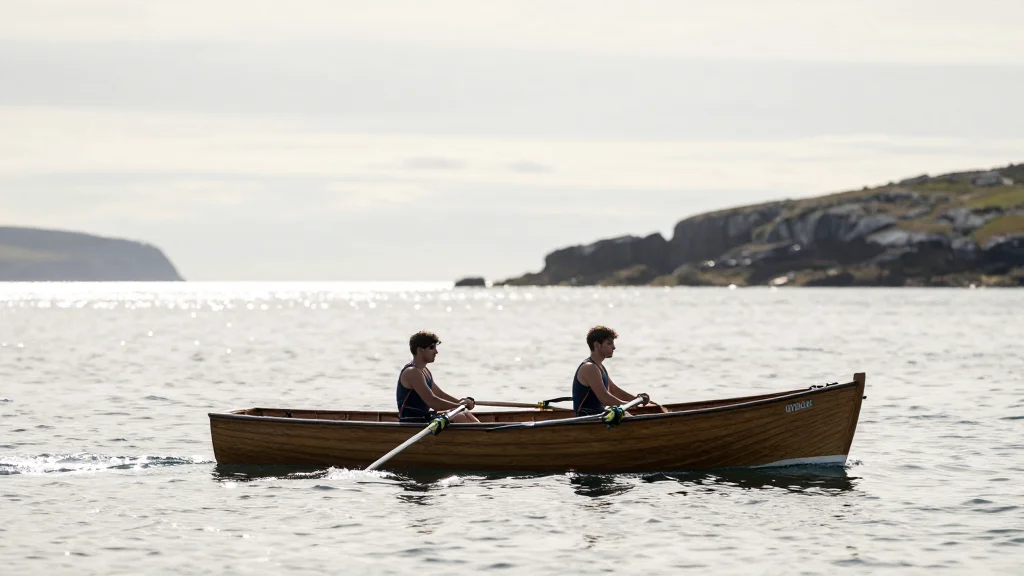
Scottish Crew Tackles 52‑Mile Irish Sea Row in One Day

Companies Mentioned
Why It Matters
The Irish Sea crossing illustrates a growing appetite for high‑intensity, endurance‑focused outdoor activities that blend adventure with community benefit. As climate change reshapes coastal environments, events like this raise awareness of the need for safe, well‑maintained waterways and highlight the role of local clubs in stewarding these resources. Moreover, the fundraising component demonstrates how outdoor sports can serve as platforms for social investment, channeling public enthusiasm into tangible support for youth training and equipment acquisition. In the broader outdoors market, the event signals a shift toward multi‑day, high‑visibility challenges that capture media attention and attract sponsorships. Successful execution could encourage other clubs to organize comparable feats, potentially leading to a network of regional endurance events that boost tourism, local economies, and participation in water‑based recreation.
Key Takeaways
- •Wigtown Bay Coastal Rowing Club launched a 52‑mile round‑trip across the Irish Sea on April 25, 2026.
- •The crew aims to reach Ramsey on the Isle of Man by midday and complete the return leg the same day.
- •Laxey Coastal Rowing Club will join the Scottish rowers near Manx waters for the return journey.
- •The event doubles as a fundraiser for community rowing programs via a GoFundMe campaign.
- •Organisers emphasize safety coordination with maritime authorities and highlight cross‑border club collaboration.
Pulse Analysis
The Irish Sea crossing marks a notable evolution in the outdoor adventure sector, where endurance challenges are increasingly leveraged as fundraising and community‑building tools. Historically, coastal rowing in the British Isles has been a niche sport, largely confined to local regattas and training sessions. This high‑profile, single‑day 52‑mile trek elevates the discipline, positioning it alongside more mainstream endurance events such as marathon running and long‑distance cycling. By framing the row as both a sporting achievement and a charitable endeavor, the organizers tap into a dual narrative that resonates with sponsors, media outlets, and a public eager for stories of perseverance.
From a market perspective, the event could catalyze a wave of similar initiatives, prompting clubs to seek partnerships with tourism boards, local governments, and corporate sponsors. The involvement of Laxey Coastal Rowing Club illustrates a template for cross‑regional collaboration that can amplify reach and share logistical burdens. As clubs demonstrate the capacity to organize safe, high‑visibility challenges, they may attract funding streams previously reserved for larger, more established sports. This could accelerate infrastructure upgrades—such as better launch sites and safety equipment—benefiting the broader rowing community.
Looking ahead, the success of the Irish Sea crossing may influence policy discussions around waterway access and safety standards. Regulators could be prompted to develop clearer guidelines for large‑scale recreational rowing events, balancing commercial shipping interests with community sport. Additionally, the event’s digital component—live streaming and social media updates—offers a blueprint for audience engagement that can be monetized through sponsorships or viewer donations. If the fundraising goal is met and the row is completed without incident, it will reinforce the viability of endurance rowing as a growth engine for the outdoors sector, encouraging investment, participation, and media coverage for years to come.
Scottish Crew Tackles 52‑Mile Irish Sea Row in One Day
Comments
Want to join the conversation?
Loading comments...