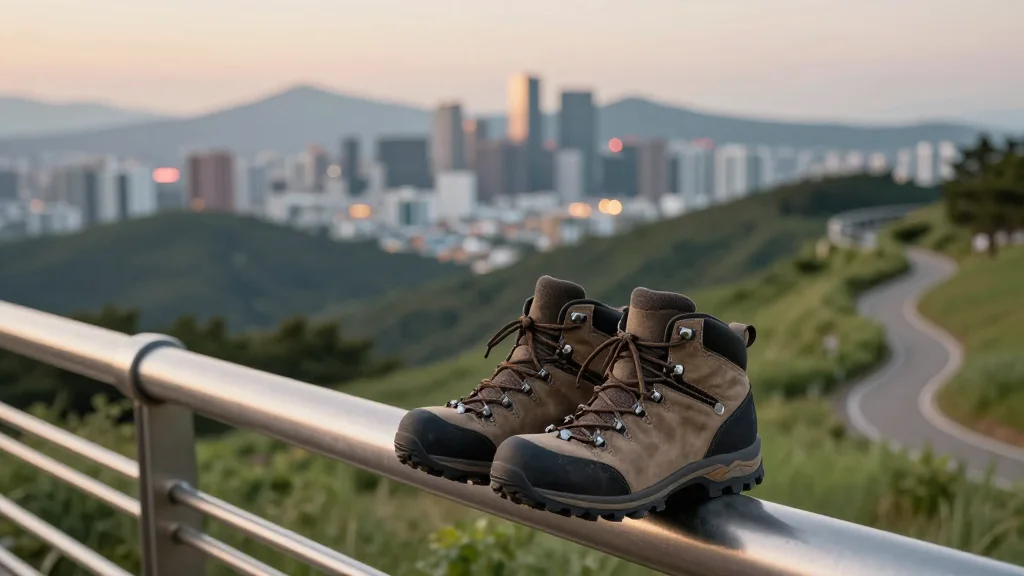
Seoul’s ‘City‑Hiking’ Trail Draws Surge of Foreign Tourists

Why It Matters
The rise of city‑hiking in Seoul illustrates how urban destinations can capture a share of the outdoor‑recreation market traditionally dominated by remote natural areas. By leveraging existing transit infrastructure and offering low‑friction access to nature, Seoul is diversifying its tourism revenue streams and reducing reliance on retail‑centric attractions that have faced volatility in recent years. For the broader outdoors industry, the Seoul case underscores the commercial potential of integrating outdoor experiences into cityscapes. Retailers, equipment manufacturers, and local governments worldwide may look to replicate this model, prompting a wave of investment in urban trail networks, rental services, and multilingual visitor support that could reshape how tourists engage with nature in metropolitan settings.
Key Takeaways
- •Weekend subway usage at six trail‑adjacent stations rose 11.5% YoY to 277,623 riders.
- •Acha Station saw the biggest jump, up 21.9% to 33,600 weekend passengers.
- •Foreign sales of sports and outdoor goods at Shinsegae surged 120% in one month.
- •Seoul Tourism Foundation’s mountain‑base centers now rent gear in multiple languages.
- •City‑hiking offers a low‑commitment, culturally immersive alternative to traditional sightseeing.
Pulse Analysis
Seoul’s rapid adoption of city‑hiking reflects a convergence of three forces: the global appetite for authentic, experience‑driven travel; the maturation of urban transit systems that can serve as gateways to nature; and the digital amplification of niche activities via social media. Historically, outdoor tourism has been anchored in remote, often inaccessible locales, limiting participation to those with time, resources, and specialized gear. Seoul’s model collapses those barriers, turning a half‑day hike into a viable itinerary for the average tourist.
From a market perspective, the 120% jump in foreign outdoor‑goods sales is a leading indicator that ancillary spending will follow the shift in activity patterns. Brands that traditionally focused on domestic hikers now have a clear incentive to tailor product lines, marketing, and distribution channels to an international, urban‑hiker demographic. Moreover, the city’s proactive provision of rental equipment and multilingual support reduces friction, creating a virtuous cycle: easier access drives more hikers, which in turn justifies further investment in services.
Looking forward, the scalability of Seoul’s approach will hinge on sustainable trail management and the preservation of the very natural assets that attract visitors. Over‑use could degrade the experience, prompting the need for capacity‑control measures and environmental education. If managed well, Seoul could set a benchmark for other megacities—Tokyo, Shanghai, Mexico City—to integrate nature into their tourism portfolios, reshaping the global outdoors economy from the periphery to the heart of urban life.
Seoul’s ‘City‑Hiking’ Trail Draws Surge of Foreign Tourists
Comments
Want to join the conversation?
Loading comments...