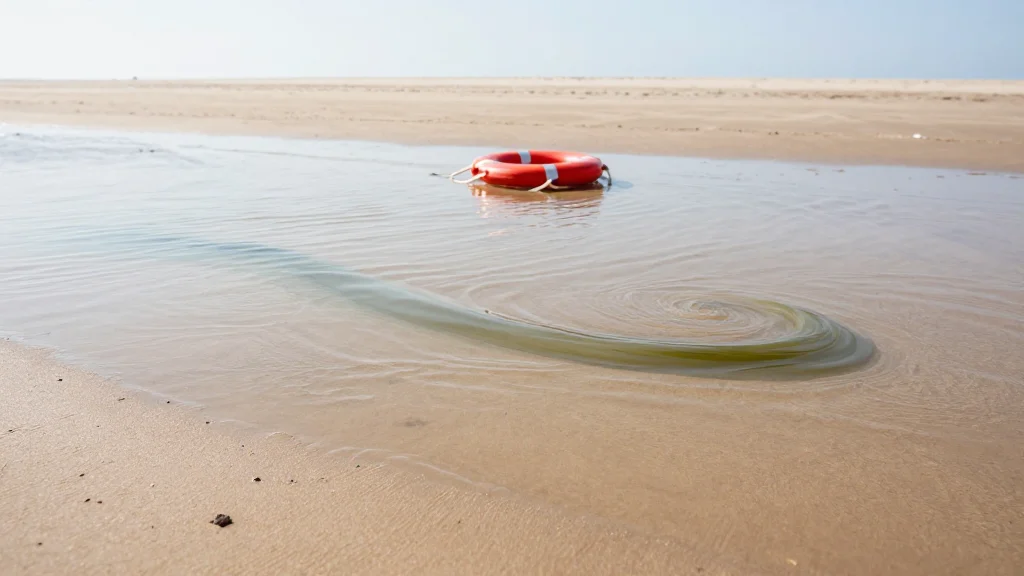
Sewage Leak Forces Teignmouth Beach Closure for Over Two Weeks

Why It Matters
Sewage contamination at a popular seaside location directly threatens public health, deters tourism, and raises questions about the resilience of the UK's water infrastructure. For outdoor enthusiasts, beach closures limit access to a key recreational asset, while local economies that depend on seasonal visitors face revenue losses. The episode also illustrates how environmental watchdogs and community groups can pressure utilities to act swiftly, potentially accelerating investment in modernizing aging sewer networks. Beyond the immediate health concerns, the incident underscores a broader tension between the demand for clean, safe outdoor spaces and the capacity of legacy infrastructure to meet that demand. As climate change intensifies rainfall and runoff, the risk of sewer overflows may increase, making proactive upgrades and robust monitoring systems a priority for coastal communities nationwide.
Key Takeaways
- •Sewage leak from South West Water foul sewer identified at Gales Hill Beach, Teignmouth.
- •Environment Agency issued health warnings and banned swimming for over two weeks.
- •Friends of the River Teign reported the incident on March 29 after observing sewage discharge.
- •South West Water began repairs; EA will lift advisory 24 hours after contamination stops.
- •Beach closure coincided with Easter holidays, impacting tourism and local businesses.
Pulse Analysis
The Teignmouth sewage incident is emblematic of a systemic issue: aging wastewater networks struggling under increased pressure from extreme weather events and higher usage. Historically, the UK has deferred large‑scale sewer upgrades, relying on piecemeal repairs that often fail to keep pace with demand. This event could catalyze a shift toward more proactive investment, especially as regulators tighten standards for water quality in recreational zones.
From a market perspective, utilities like South West Water may face heightened scrutiny and potential fines, prompting them to allocate capital toward resilience projects. Investors are likely to watch how the EA enforces compliance, as enforcement actions can affect utility earnings and credit ratings. Meanwhile, community groups such as FORT demonstrate the growing influence of grassroots monitoring, leveraging social media and local networks to accelerate response times.
Looking ahead, the incident may spur policy discussions around mandatory real‑time monitoring of sewage outfalls near popular beaches. If adopted, such technology could provide early warnings, reduce public exposure, and restore confidence in outdoor recreation. For the broader outdoors sector, ensuring that natural assets remain safe and accessible will be a key factor in sustaining tourism growth and public health outcomes.
Sewage Leak Forces Teignmouth Beach Closure for Over Two Weeks
Comments
Want to join the conversation?
Loading comments...