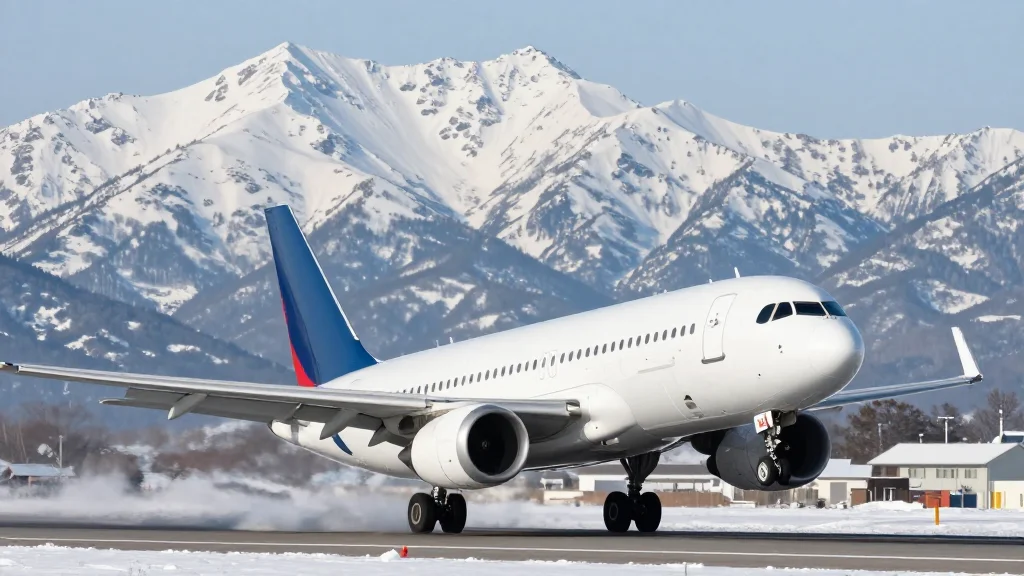
SFO Starts Nonstop Sapporo Flights, Opening a $1,500 Gateway to Japan’s Powder

Companies Mentioned
Why It Matters
The nonstop SFO‑Sapporo service lowers barriers to one of the world’s premier ski destinations, potentially redirecting a sizable share of U.S. winter‑sport spending abroad. For American resorts, especially those in the Sierra Nevada, the route intensifies competition at a time when climate change is already eroding natural snowfall reliability. Conversely, Japanese ski operators stand to benefit from a surge in high‑spending tourists, bolstering local economies and justifying continued investment in infrastructure and sustainability measures. For the broader travel ecosystem, the flight underscores a growing trend toward niche, experience‑focused air routes that prioritize activity‑based tourism over traditional city‑pair demand. If successful, the model could inspire similar direct services to other high‑altitude destinations, reshaping how airlines and tourism boards collaborate on specialty travel markets.
Key Takeaways
- •SFO launches nonstop 11‑hour flights to Sapporo, Japan, with round‑trip fares around $1,500 for Jan 2027
- •Hokkaido receives about 13 feet of snow annually in Sapporo and up to 40 feet in nearby mountains
- •Lift tickets at Japanese resorts average $50 per day, far below U.S. resort prices
- •Tahoe’s average snowfall is ~30 feet, but recent seasons have been below average
- •Beyond the Boundaries co‑founder Christine Savage says the route simplifies travel and offers reliable, high‑quality snow
Pulse Analysis
The SFO‑Sapporo nonstop is more than a new flight; it’s a strategic lever that could recalibrate the North American ski market. Historically, U.S. skiers have gravitated toward domestic resorts because of convenience and perceived cost. However, the price elasticity of winter‑sport travel is shifting as airlines introduce direct routes that cut both time and logistical friction. By slashing the travel burden from a multi‑stop, 20‑plus‑hour ordeal to a single 11‑hour leg, the new service effectively reduces the total cost of ownership for a ski vacation, even before accounting for the lower on‑ground expenses in Japan.
From a competitive standpoint, the route pits the reliability of Hokkaido’s snowfall against the climate‑risk exposure of California’s Sierra Nevada. As climate models predict diminishing snowpacks in the West, resorts there may need to diversify revenue streams—perhaps by developing summer adventure offerings or investing in snow‑making technology—to retain market share. Meanwhile, Japanese operators, already accustomed to managing overtourism, can leverage the influx of higher‑spending American tourists to fund sustainability initiatives, such as eco‑friendly lift upgrades and community‑based tourism programs.
Looking ahead, the success of the SFO‑Sapporo link could trigger a cascade of specialty routes to other snow‑rich regions—think Denver to Whistler or Seattle to Niseko. Airlines will likely monitor load factors and ancillary revenue (gear rentals, ski‑pass bundles) to assess profitability. For U.S. ski resorts, the imperative is clear: innovate or risk losing a growing segment of price‑sensitive, experience‑driven travelers to overseas alternatives.
SFO Starts nonstop Sapporo flights, opening a $1,500 gateway to Japan’s powder
Comments
Want to join the conversation?
Loading comments...