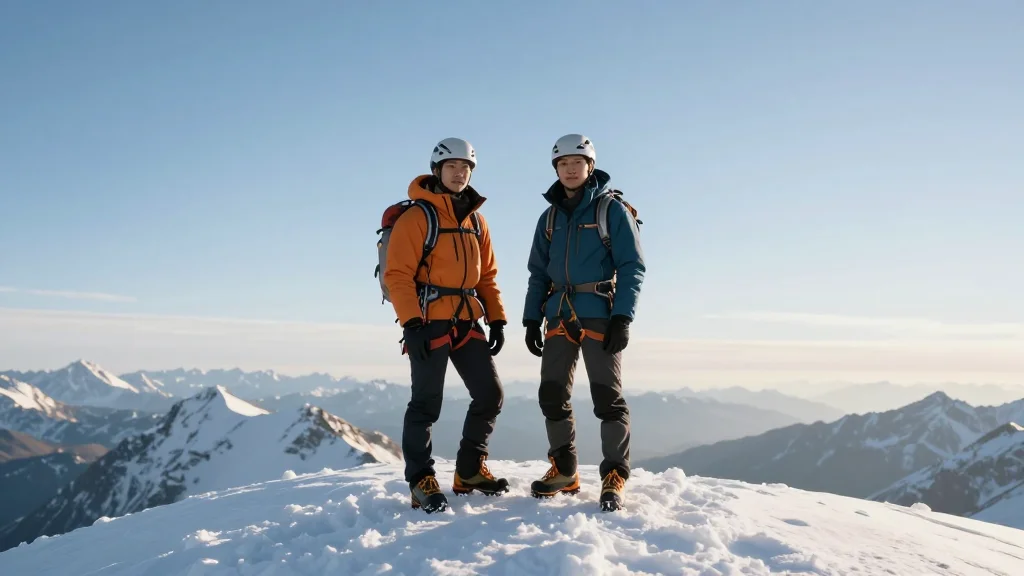
Singaporean Husband‑Wife Team Marks First Joint Everest Summit Amid Bottlenecks

Why It Matters
The couple’s summit highlights the expanding global footprint of high‑altitude mountaineering, showing that climbers from tropical nations can achieve world‑class feats with proper training and support. Their emphasis on safety over glory offers a counter‑narrative to the commercialized “summit at any cost” mindset that has plagued Everest in recent years, potentially influencing future expedition policies and client education in the outdoor industry. Moreover, their achievement may inspire a new wave of Singaporean adventurers, prompting local outdoor education providers to develop more rigorous high‑altitude preparation programs. As interest in extreme tourism rises, the incident underscores the need for robust risk‑management frameworks to protect both individuals and the broader reputation of the outdoor sector.
Key Takeaways
- •Mark Ng and Ng Li Ying become possibly the first Singaporean married couple to summit Everest
- •They endured a 30‑minute bottleneck at the Hillary Step in sub‑zero winds
- •Mr Ng’s oxygen levels dropped at Camp 2, prompting a night on supplemental oxygen
- •A slip on the descent was arrested by a safety line, preventing a fatal fall
- •Their experience is being used to shape safety‑first training at Outward Bound Singapore
Pulse Analysis
The Ng couple’s ascent arrives at a moment when Everest is grappling with overcrowding, commercial guiding, and a spate of accidents that have tarnished its allure. Their story stands out because it blends professional outdoor education with personal ambition, illustrating how structured training can mitigate some of the inherent dangers of high‑altitude climbing. Historically, most successful Everest attempts have been led by climbers with military or Sherpa backgrounds; the rise of civilian professionals like the Ngs signals a democratization of expertise, driven by organizations such as Outward Bound that emphasize risk awareness.
From a market perspective, the couple’s high‑profile achievement is likely to boost demand for premium expedition services among Southeast Asian clients. Companies that can offer comprehensive pre‑expedition conditioning, altitude acclimatization protocols, and post‑summit debriefs will differentiate themselves in a crowded field. However, the incident also serves as a cautionary tale for operators that safety messaging must translate into actionable protocols on the mountain, especially at choke points like the Hillary Step where bottlenecks can quickly become life‑threatening.
Looking forward, the Ngs’ plan to integrate their Everest lessons into local training curricula could set a new standard for outdoor education in the region. If other providers adopt similar models, the industry may see a shift toward more scientifically grounded preparation, potentially reducing the frequency of altitude‑related incidents. The broader implication is clear: as more climbers from non‑traditional mountaineering nations attempt the world’s highest peaks, the onus is on educators, guides, and regulators to embed safety as the core of the adventure narrative, not an afterthought.
Singaporean Husband‑Wife Team Marks First Joint Everest Summit Amid Bottlenecks
Comments
Want to join the conversation?
Loading comments...