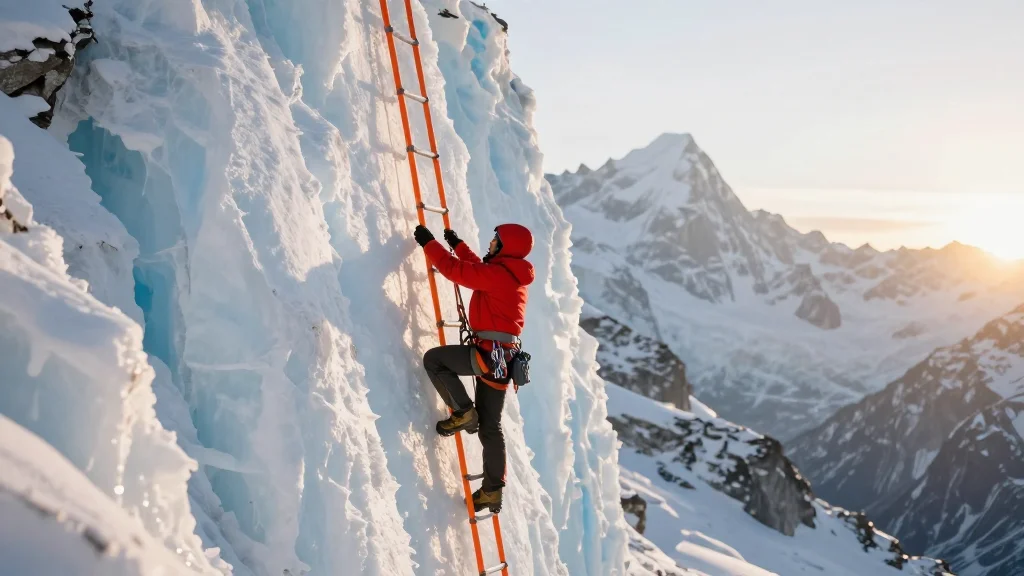
Six-Climber Team Saves 2026 Everest South Side Season After Icefall Blockage

Why It Matters
The six‑climber rescue averted a complete shutdown of the 2026 Everest south‑side season, preserving over a thousand summit attempts that drive the bulk of Nepal’s high‑altitude tourism revenue. By demonstrating that swift, independent action can overcome official safety deadlocks, the episode may reshape how authorities and expedition operators coordinate emergency responses, potentially leading to new protocols that balance safety with economic imperatives. Moreover, the incident underscores the vulnerability of iconic climbing routes to icefall instability, a risk that could intensify as climate patterns shift, making adaptive management essential for the long‑term sustainability of the Everest industry. Beyond immediate financial stakes, the event raises questions about recognition and reward structures for local guides and independent teams who risk their lives to keep routes open. Formalizing such contributions could improve morale, attract talent, and enhance overall safety standards, benefitting both climbers and the Sherpa communities that support them. The broader outdoor adventure sector will watch how Nepal’s government and private operators respond, as the outcome may set precedents for high‑risk, high‑reward destinations worldwide.
Key Takeaways
- •Six‑person team cleared a serac‑blocked Khumbu Icefall on April 26, 2026.
- •Official route reopening occurred on April 28, enabling the season to continue.
- •Department of Tourism recorded 1,008 Everest summits in 2026.
- •Mingma Gyalje Sherpa called for formal recognition and rewards for the six climbers.
- •The incident exposed friction between EOAN, SPCC, and expedition operators over safety assessments.
Pulse Analysis
The 2026 Everest episode illustrates a pivotal shift in high‑altitude expedition governance. Historically, route safety decisions have rested with national bodies like the Nepalese Ministry of Tourism and its affiliated agencies (EOAN, SPCC). Their April 26 assessment—declaring the icefall unsafe and recommending a ten‑day wait—reflected a cautious, top‑down approach. Yet the rapid, ground‑level intervention by Mingma G’s six‑person team demonstrates the value of decentralized expertise, especially when bureaucratic processes lag behind on‑site realities.
From a market perspective, the financial stakes are stark. Each summit contributes roughly $30,000–$40,000 in permit fees, guide wages, and ancillary services. Multiplying that by over a thousand climbers translates to an economic windfall of $30‑$40 million for Nepal’s tourism sector. The near‑shutdown would have erased that revenue, underscoring how operational bottlenecks can ripple through entire regional economies. Investors in trekking agencies and equipment suppliers will likely lobby for clearer pathways that allow swift route remediation without compromising safety.
Looking forward, the incident may catalyze three strategic developments: first, the institutionalization of rapid‑response climbing units that operate under joint authority but retain operational autonomy; second, the adoption of real‑time icefall monitoring technologies—such as drone‑based LiDAR and satellite imagery—to provide early warnings and reduce reliance on periodic human inspections; third, a revised incentive framework that formally acknowledges and compensates independent guide teams for critical interventions. If Nepal embraces these changes, it could set a global benchmark for managing risk in iconic outdoor destinations, balancing the allure of extreme adventure with the imperatives of safety and sustainable economic growth.
Six-Climber Team Saves 2026 Everest South Side Season After Icefall Blockage
Comments
Want to join the conversation?
Loading comments...