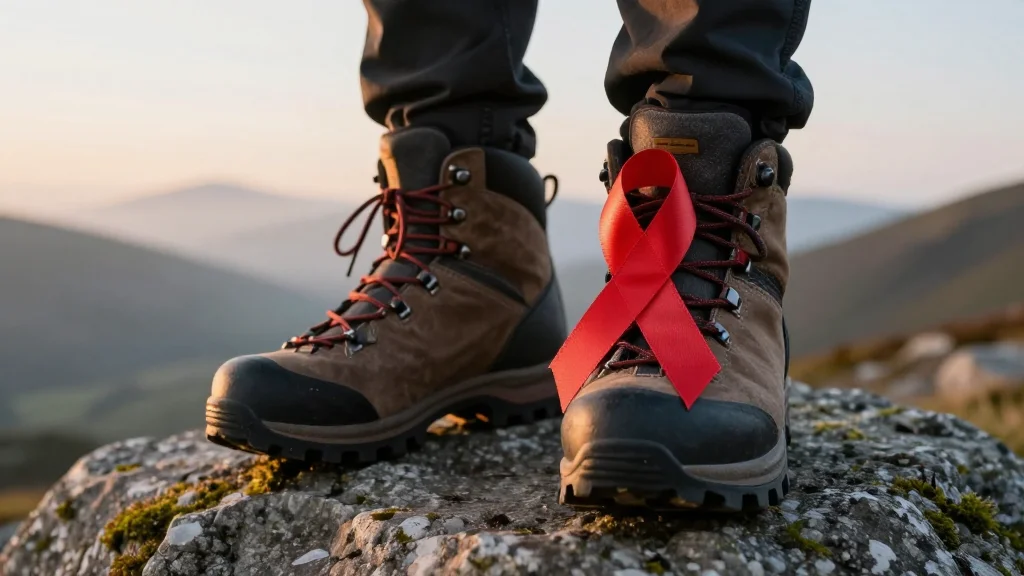
Six Friends Tackle Wales' 20 Peaks Challenge, Raising $2,540 for Mental‑Health Causes

Why It Matters
The 20 Peaks Challenge illustrates how outdoor pursuits can serve as powerful platforms for mental‑health advocacy, a cause that has historically struggled for visibility. By framing a demanding mountain trek around a personal tragedy, the team humanizes the issue, encouraging participants and observers to consider the mental‑wellbeing of themselves and peers. In the broader outdoors sector, this model may inspire a wave of cause‑linked expeditions, diversifying revenue streams for charities and reinforcing the narrative that nature can be both a refuge and a catalyst for social change. Moreover, the event spotlights the role of community-driven fundraising in rural Wales, where local economies often depend on tourism and outdoor recreation. Successful high‑profile challenges can boost regional awareness, attract visitors, and generate ancillary benefits for local businesses, all while reinforcing the importance of mental‑health resources in remote areas.
Key Takeaways
- •Six friends will hike 80 km and summit 20 Welsh peaks June 13‑15.
- •Total elevation gain exceeds 28,000 ft, comparable to climbing Everest.
- •Fundraising target: £2,000 (~$2,540), split between a memorial headstone and Mind charity.
- •Quotes emphasize honoring a friend who died by suicide and raising mental‑health awareness.
- •The trek exemplifies a growing trend of cause‑driven outdoor challenges.
Pulse Analysis
The Wales 20 Peaks Challenge is emblematic of a maturing outdoor industry that increasingly intertwines adventure with advocacy. Historically, mountaineering and long‑distance trekking were framed as personal conquests; today, participants leverage the visibility of extreme feats to spotlight societal issues. This shift is driven by two forces: the rise of social media, which amplifies personal narratives, and a growing public appetite for purpose‑driven experiences. By aligning a physically demanding expedition with mental‑health fundraising, the team taps into both emotional resonance and the credibility that comes from completing a verifiable, high‑risk challenge.
From a market perspective, cause‑linked outdoor events can diversify funding for nonprofits that traditionally rely on static donation models. They also create new sponsorship opportunities for gear manufacturers and travel services seeking authentic brand alignment. However, the model carries risks: safety concerns, environmental impact, and donor fatigue if the market becomes saturated with similar initiatives. Stakeholders must therefore prioritize rigorous risk management, transparent accounting, and measurable outcomes to sustain credibility.
Looking ahead, we can expect more outdoor groups to adopt a hybrid model—combining endurance challenges with charitable goals—especially as mental‑health remains a pressing public health priority. The success of the 20 Peaks Challenge could inspire regional tourism boards to partner with charities, offering logistical support in exchange for increased visitation. If managed responsibly, this convergence of adventure and advocacy could reshape fundraising norms, positioning the outdoors not just as a leisure sector but as a catalyst for societal well‑being.
Six Friends Tackle Wales' 20 Peaks Challenge, Raising $2,540 for Mental‑Health Causes
Comments
Want to join the conversation?
Loading comments...