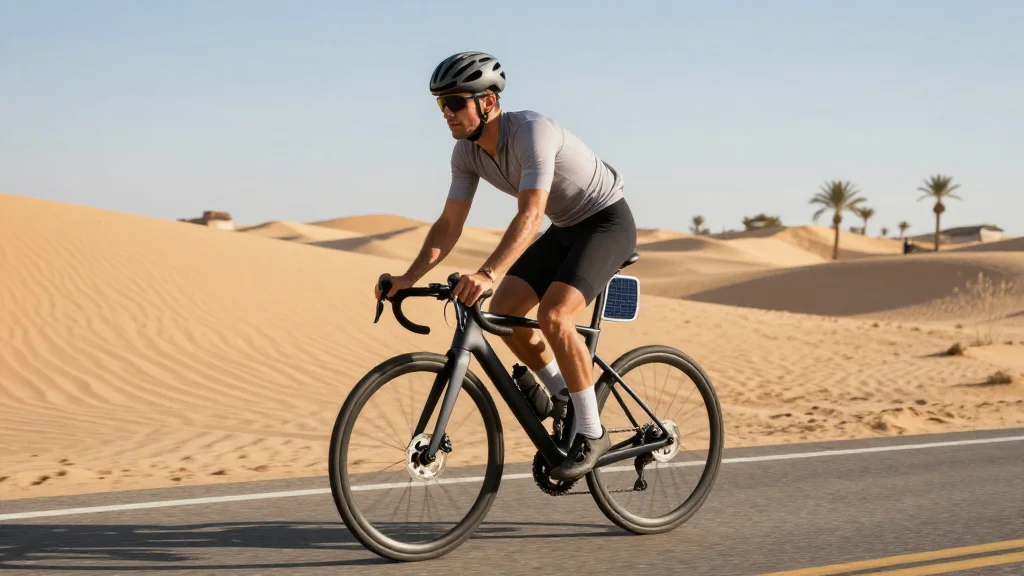
Solar‑Powered ‘Sun Trip Morocco’ Race Launches 2,000‑km Challenge From Laayoune to Rabat

Why It Matters
The Sun Trip Morocco race illustrates how outdoor recreation can become a platform for renewable‑energy advocacy, directly linking athletic achievement with climate‑friendly technology. By demonstrating that solar‑powered e‑bikes can handle a 2,000‑km cross‑country challenge, the event validates the practicality of clean mobility for both sport and everyday travel. Moreover, the race amplifies Morocco’s strategic positioning as a renewable‑energy hub, potentially attracting tourism dollars and foreign investment into its wind and solar sectors. For the broader outdoors industry, the race sets a precedent for integrating sustainability into event design. Sponsors, gear manufacturers, and destination marketers now have a concrete example of how to align adventure experiences with environmental goals, a trend that could reshape funding models and participant expectations worldwide.
Key Takeaways
- •Second edition of Sun Trip Morocco launched in Laayoune, covering 2,000 km to Rabat.
- •15 riders from five countries compete on solar‑charged electric bicycles.
- •Bikes travel 200‑300 km daily at 35‑40 km/h using onboard photovoltaic panels.
- •Race highlights Morocco’s Tarfaya wind farm and broader renewable‑energy agenda.
- •Supported by Laayoune‑Sakia El Hamra region and the French Embassy, underscoring Franco‑Moroccan cooperation.
Pulse Analysis
The Sun Trip Morocco race arrives at a moment when outdoor brands are scrambling to prove their environmental credentials. Historically, adventure sports have been carbon‑intensive—think fuel‑guzzling rally cars or logistics chains reliant on diesel generators. By swapping those for solar‑powered e‑bikes, the race not only reduces emissions but also reframes the narrative around what high‑performance outdoor competition looks like.
From a market perspective, the event could catalyze a niche but growing segment of solar‑assisted equipment. Manufacturers that can produce lightweight, durable solar panels and high‑capacity batteries stand to gain early‑adopter status. Meanwhile, tourism boards may leverage such events to attract eco‑conscious travelers, positioning destinations as both adventurous and sustainable.
Looking ahead, the key challenge will be translating the race’s proof‑of‑concept into everyday use. Scaling solar‑bike technology for mass‑market consumers will require cost reductions, robust supply chains, and supportive policy frameworks—areas where Morocco’s government, already investing heavily in renewable infrastructure, could play a pivotal role. If successful, the Sun Trip model could inspire a cascade of solar‑powered races across Europe, Asia and the Americas, reshaping the outdoor sports calendar for a greener future.
Solar‑Powered ‘Sun Trip Morocco’ Race Launches 2,000‑km Challenge from Laayoune to Rabat
Comments
Want to join the conversation?
Loading comments...