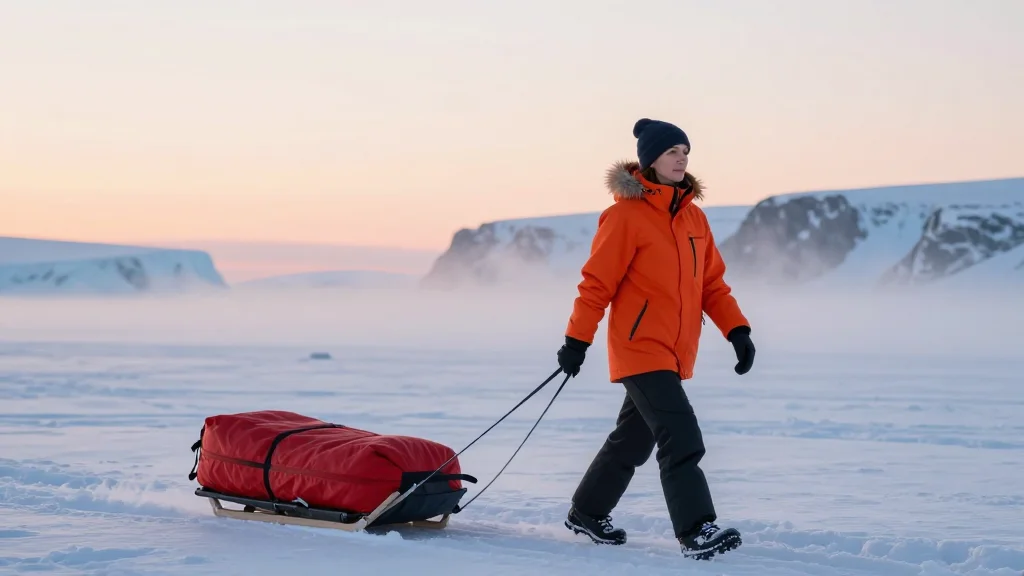
Somerset Data Analyst Embarks on 120‑Mile Arctic Trek to Prove Ordinary Can Be Extraordinary

Why It Matters
Vials’s trek highlights the increasing convergence of personal adventure and data science, offering a template for how ordinary individuals can contribute to research while pushing personal limits. By focusing on a mid‑life woman’s physiological response, the project challenges the male‑centric bias in endurance data, potentially influencing equipment design, training programs, and mental‑health support for a broader demographic of outdoor enthusiasts. The public visibility of her preparation—dragging weighted sleds on a British beach—also serves as a relatable narrative that may encourage more people to engage in regular physical activity, especially those battling mental‑health challenges. As outdoor recreation rebounds post‑pandemic, stories like Vials’s can drive inclusive participation and underscore the therapeutic value of nature‑based pursuits.
Key Takeaways
- •Rebecca Vials, 48, will start a 120‑mile Arctic trek on 20 April, lasting eight days.
- •She has trained for nine months by pulling a 40 kg sled on the sands of Weston‑super‑Mare.
- •The expedition includes a dedicated bear‑watch team to monitor polar bear activity.
- •Vials aims to collect gender‑focused endurance data, addressing a male‑biased research gap.
- •Her previous solo walk from John O’Groats to Land’s End raised funds for the Samaritans.
Pulse Analysis
Vials’s undertaking arrives at a moment when the outdoor industry is grappling with two parallel shifts: a surge in participation among older, non‑elite demographics and a demand for evidence‑based product development. Historically, endurance research has leaned heavily on elite male athletes, leaving a data vacuum for the majority of consumers who are recreational hikers, trail runners, or weekend campers. By embedding sensors in her gear and publishing the results, Vials could catalyze a new wave of gender‑balanced performance metrics, prompting manufacturers to rethink everything from sled design to thermal wear.
Moreover, the narrative of training on a local beach before confronting Arctic extremes resonates with a growing appetite for relatable, step‑by‑step adventure stories. Social media platforms have amplified such journeys, turning personal challenges into community‑wide motivators. Vials’s transparent approach—sharing both mental‑health struggles and concrete training data—offers a blueprint for how athletes can leverage vulnerability to build authentic connections with audiences, potentially driving higher engagement for brands that align with mental‑wellness and inclusivity.
Looking ahead, the success of Vials’s data collection could inspire similar citizen‑science expeditions, where everyday adventurers contribute to a collective understanding of human performance in climate‑extreme settings. This democratization of data may not only improve safety standards for polar tourism but also inform policy discussions around climate resilience, as more nuanced human‑environment interaction models become available.
Somerset Data Analyst Embarks on 120‑Mile Arctic Trek to Prove Ordinary Can Be Extraordinary
Comments
Want to join the conversation?
Loading comments...