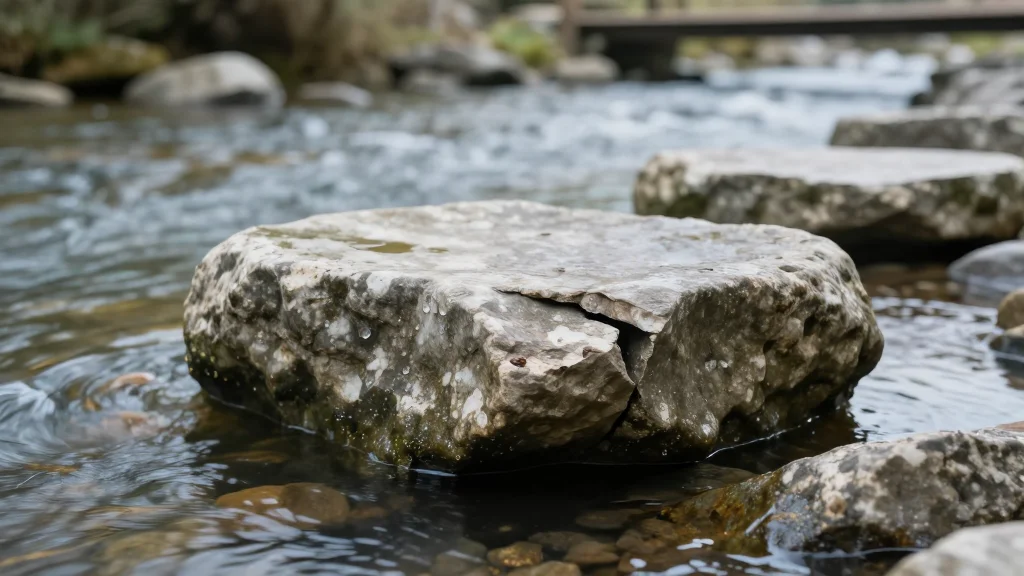
Storm Damage Forces Closure of Dovedale’s Iconic Stepping Stones

Why It Matters
The closure of Dovedale’s stepping stones illustrates how climate‑induced weather events are increasingly jeopardizing heritage tourism sites that depend on safe, reliable access. With outdoor recreation driving significant regional economies, any interruption can ripple through local businesses, from cafés to accommodation providers. Moreover, the incident spotlights the tension between preserving historic authenticity and adapting infrastructure to withstand more frequent extreme weather. For conservation agencies, the event underscores the need for proactive risk assessments and investment in resilient maintenance strategies. As storms grow more intense, the cost of reactive repairs will rise, prompting a shift toward preventive engineering solutions that balance ecological integrity with visitor experience.
Key Takeaways
- •A stone on Dovedale’s historic stepping stones was dislodged by heavy rain, prompting an immediate safety closure.
- •National Trust spokesperson warned the crossing is unsafe; signage now directs walkers to a downstream bridge.
- •Derbyshire County Council plans repairs in the next couple of months when river levels are lower.
- •The stones, dating to 1890, were previously damaged by Storm Babet and reopened in September 2024.
- •Closure impacts peak tourism season; authorities are considering long‑term resilience upgrades.
Pulse Analysis
Dovedale’s recent closure is emblematic of a broader shift in outdoor recreation management, where climate volatility forces heritage custodians to rethink traditional preservation models. Historically, sites like Dovedale have relied on periodic maintenance cycles aligned with predictable seasonal patterns. Today, the frequency of storm events—exemplified by Storm Babet and the latest winter rains—compresses those cycles, demanding faster response times and larger budgets. This pressure is likely to accelerate the adoption of engineering interventions, such as stone anchoring or flood‑resilient pathways, even if they alter the historic fabric.
Economically, the Peak District’s tourism engine is highly sensitive to access disruptions. A single landmark closure can shave millions from local revenue, especially when the site is a marquee draw for both domestic and international visitors. Stakeholders are therefore incentivized to fund pre‑emptive upgrades, potentially through public‑private partnerships or targeted grants aimed at climate adaptation for heritage sites. The National Trust’s collaboration with Derbyshire County Council may serve as a template for other regions facing similar challenges.
Looking ahead, the Dovedale case will likely influence policy discussions around funding allocations for climate‑resilient infrastructure in protected areas. As visitor expectations evolve—favoring both authentic experiences and safety—operators must balance preservation with modernization. The outcome of Dovedale’s repair plan could set a precedent for how the UK’s outdoor attractions navigate the twin imperatives of heritage stewardship and climate adaptation.
Storm Damage Forces Closure of Dovedale’s Iconic Stepping Stones
Comments
Want to join the conversation?
Loading comments...