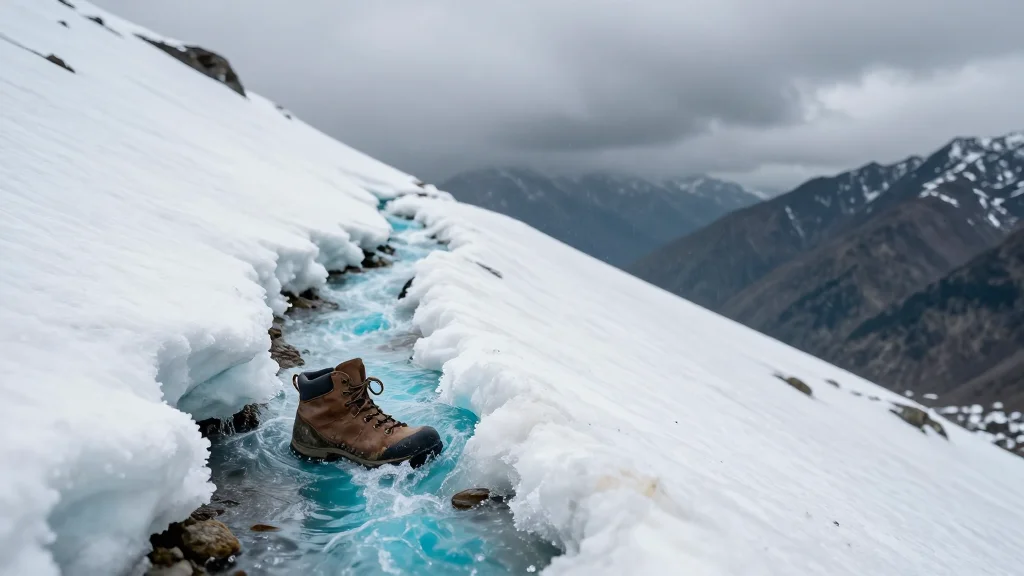
Study Warns Melting Himalayas Heighten Trek Risks as Extreme Rains Surge

Why It Matters
The Himalayas are a cornerstone of adventure tourism, drawing millions of trekkers and climbers each year. As climate change accelerates glacier melt and destabilizes weather patterns, the safety of these iconic routes is jeopardized, potentially reducing visitor numbers and harming the livelihoods of remote mountain communities. Moreover, increased flood and landslide risk raises the stakes for rescue operations, straining limited local emergency resources. For policymakers, the findings highlight the urgency of integrating climate resilience into tourism planning. Investments in early‑warning systems, trail reinforcement, and sustainable infrastructure could help preserve both the natural heritage of the Himalayas and the economic lifeline it provides to the region.
Key Takeaways
- •Study links accelerated glacier melt to more frequent extreme rain events in the Himalayas.
- •August 2025 scenario recorded 80.2 mm of rain in Ladakh—about 20× the normal average.
- •Guide Sujoy Das described river swelling, bridge collapse, and a forced trek abort.
- •Flight disruptions and damaged mountain passes threaten local tourism economies.
- •Experts urge real‑time monitoring and adaptive route planning to protect trekkers.
Pulse Analysis
The Himalayas have long been marketed as a reliable adventure destination, with well‑established trekking corridors that depend on predictable seasonal windows. This new analysis disrupts that narrative, showing that climate‑driven anomalies are no longer outliers but emerging norms. Historically, the region’s aridity in summer has been a selling point; now, a single month can deliver rainfall levels that would have been unimaginable a decade ago.
From a market perspective, the risk premium for Himalayan expeditions is likely to rise. Operators that can demonstrate robust safety protocols and flexible itineraries will command higher prices, while those that cling to traditional schedules may see cancellations and reputational damage. The broader outdoor industry should watch this development as a bellwether for other mountain ranges where glacial melt and monsoon variability intersect.
Looking ahead, the key to preserving the Himalayas as a premier trekking destination lies in proactive adaptation. Governments and tourism boards must prioritize climate‑resilient infrastructure—reinforced bridges, flood‑resistant trail surfaces, and reliable communication networks. Simultaneously, the sector should leverage satellite‑based weather forecasting and AI‑driven risk modeling to provide guides and tourists with actionable, real‑time data. Without such measures, the very allure of the Himalayas—its rugged, untouched beauty—could be eclipsed by the specter of climate‑induced danger.
Study warns melting Himalayas heighten trek risks as extreme rains surge
Comments
Want to join the conversation?
Loading comments...