Companies Mentioned
Why It Matters
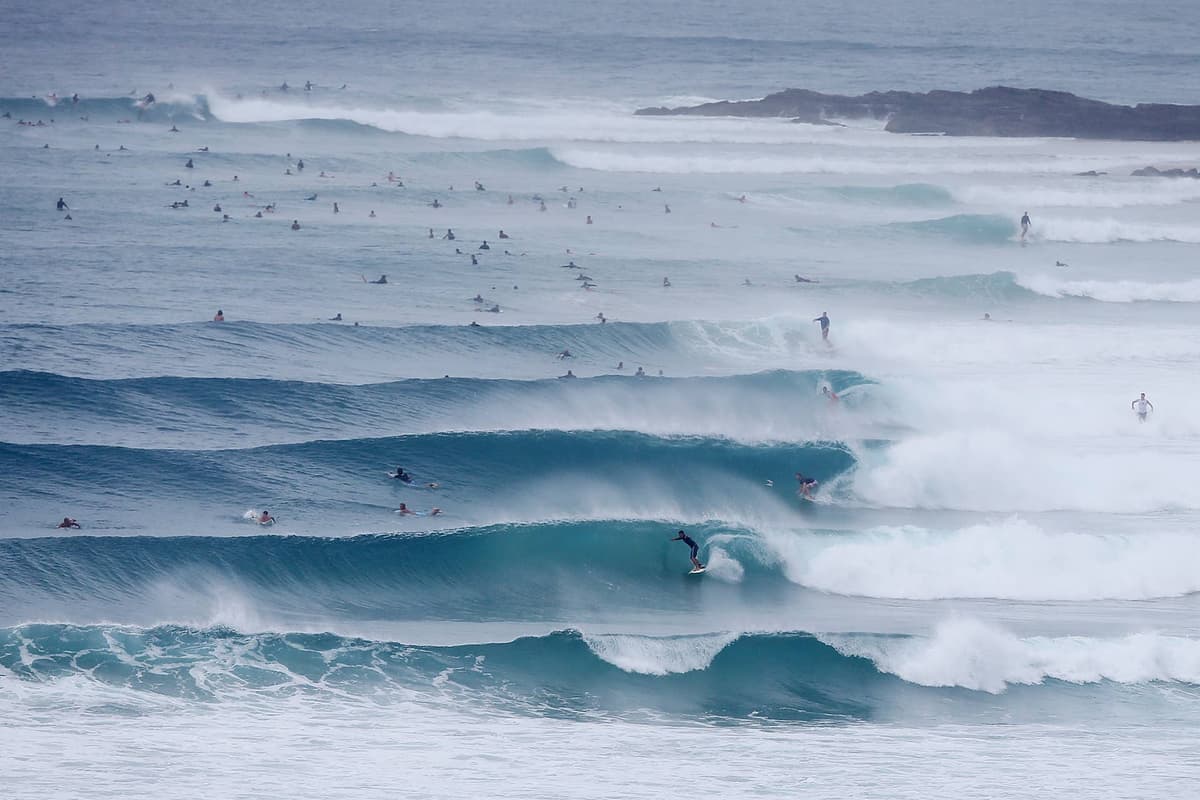
The swell provides a short‑term boost to Australia’s surf tourism and local economies, while also offering competitive conditions for professional events. It highlights how tropical‑extratropical transitions can amplify wave energy for coastal markets.
Key Takeaways
- •Vaianu's extratropical transition expands wind field.
- •First swell pulse arrives May 8-9, modest.
- •Friday‑Saturday sees chest‑to‑head surf, occasional overhead.
- •Sunday‑Monday peak: head‑high to double overhead.
- •Light offshore winds create clean surf windows.
Pulse Analysis
The meteorological evolution of Tropical Cyclone Vaianu illustrates how a tropical system can intensify wave production when it shifts to an extratropical phase. As Vaianu moves into cooler waters between Fiji and New Zealand, its wind field broadens, generating longer‑period swells that travel efficiently toward Australia’s east coast. This transition is a textbook case for surf forecasters, who rely on wind‑field expansion and sea‑surface temperature gradients to predict swell size and consistency.
For Queensland and northern New South Wales, the timing aligns with peak tourist season and several high‑profile surf competitions, including the Rip Curl Pro at Bells Beach. The initial modest pulse offers a warm‑up for local surfers, while the Friday‑Saturday build‑up delivers chest‑high to head‑high waves that attract day‑trippers and boost hospitality revenues. The Sunday‑Monday peak, with potential double‑overhead sets, creates headline‑making conditions that draw international media, sponsorship exposure, and increased spend on accommodation, food, and equipment rentals.
Beyond immediate economic gains, Vaianu’s pattern underscores broader climate considerations. As ocean temperatures rise, the frequency of tropical‑extratropical transitions in the South Pacific may increase, potentially delivering more frequent high‑energy swells to Australian shores. Accurate wave modeling and real‑time data integration become essential for coastal managers, insurers, and the surf industry to mitigate risks and capitalize on opportunities. Monitoring such systems helps stakeholders adapt to evolving marine weather patterns while sustaining the region’s reputation as a world‑class surf destination.
Surf for East Oz Set to Fire
Comments
Want to join the conversation?
Loading comments...