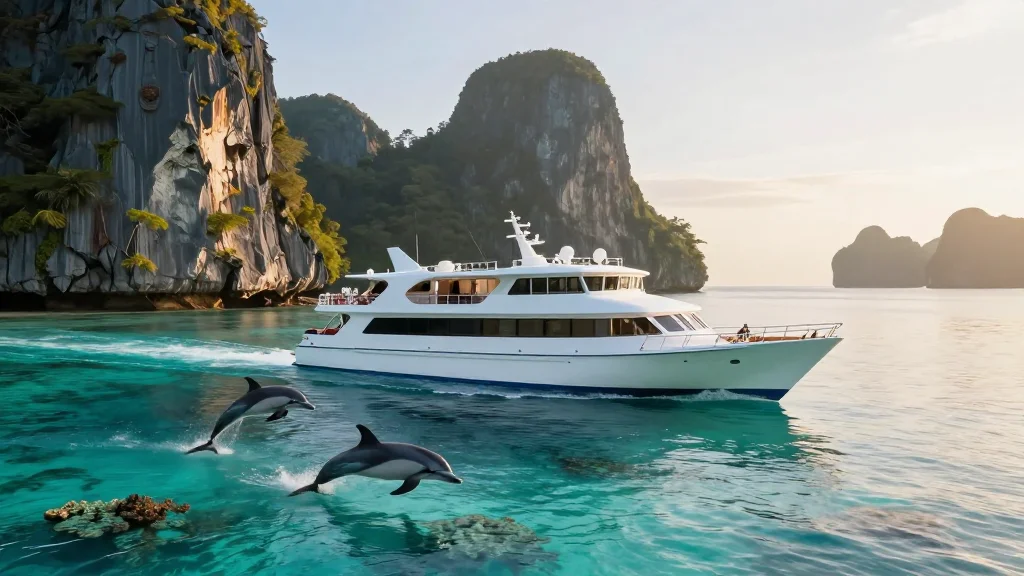
Swan Hellenic Opens Remote Village and Raja Ampat Reef Cruises for Luxury Adventurers

Why It Matters
Swan Hellenic’s entry into remote tropical cruising expands the definition of luxury expedition travel, showing that high‑end guests are willing to trade polar ice for coral reefs and village culture. The move also highlights the growing market pressure on cruise operators to diversify away from traditional routes that are increasingly constrained by climate variability. By integrating scientific programming with premium amenities, Swan Hellenic sets a benchmark for responsible tourism that could influence other boutique lines to adopt similar models. Furthermore, the focus on Raja Ampat and remote Pacific villages brings global attention to ecosystems and communities that have historically been under‑touristed. Increased visitor traffic, if managed responsibly, can generate economic benefits for local populations while funding conservation initiatives, but it also raises the risk of over‑exposure. The success of Swan Hellenic’s itineraries will therefore serve as a case study for balancing luxury demand with environmental and cultural stewardship.
Key Takeaways
- •Swan Hellenic adds two tropical itineraries – Raja Ampat reefs and remote Pacific villages – to its expedition portfolio.
- •The voyages are run on the 152‑guest SH Minerva, featuring a science lab, Zodiacs, and luxury amenities.
- •Raja Ampat is home to over 1,300 reef fish species, making it one of the world’s most biodiverse marine areas.
- •The line’s shift reflects industry trends toward tropical destinations as polar seasons shorten due to climate change.
- •Pricing is expected in the $8,000‑$12,000 range, inclusive of meals, excursions, and onboard programming.
Pulse Analysis
Swan Hellenic’s strategic pivot to tropical expedition cruising is both a defensive and opportunistic maneuver. On the defensive side, the cruise industry faces a shrinking window for Antarctic and Arctic voyages as sea ice retreats and regulatory scrutiny tightens. By planting a flag in the Coral Triangle, Swan Hellenic not only diversifies its revenue base but also future‑proofs its brand against seasonal volatility.
Opportunistically, the line taps into a niche of affluent travelers who crave authentic, low‑density experiences that traditional cruise lines cannot provide. The inclusion of a dedicated science lab and daily expert briefings differentiates Swan Hellenic from luxury yachts that may offer comfort without the educational component. This hybrid model aligns with a growing consumer ethos that values purpose‑driven travel – a trend that has accelerated post‑pandemic as travelers seek meaning alongside indulgence.
The real test will be scalability. Maintaining a 152‑guest limit preserves intimacy and minimizes ecological impact, but it also caps revenue potential. If demand outpaces capacity, Swan Hellenic may consider expanding its fleet or adding sister ships, which could dilute the brand’s boutique appeal. Moreover, the line’s success will hinge on its ability to manage the delicate balance between exposing guests to pristine environments and protecting those same ecosystems from over‑tourism. Partnerships with local NGOs, transparent carbon‑offset programs, and strict visitor caps will be essential to sustain both the destinations and the brand’s reputation.
In the broader market, Swan Hellenic’s move could catalyze a wave of luxury expedition operators eyeing the Pacific’s hidden gems. Competitors may respond by launching comparable itineraries, intensifying competition for limited docking slots and local partnerships. Ultimately, Swan Hellenic’s foray into remote village and reef cruising may redefine the premium expedition segment, setting a new standard where luxury, science, and sustainability intersect.
Swan Hellenic Opens Remote Village and Raja Ampat Reef Cruises for Luxury Adventurers
Comments
Want to join the conversation?
Loading comments...