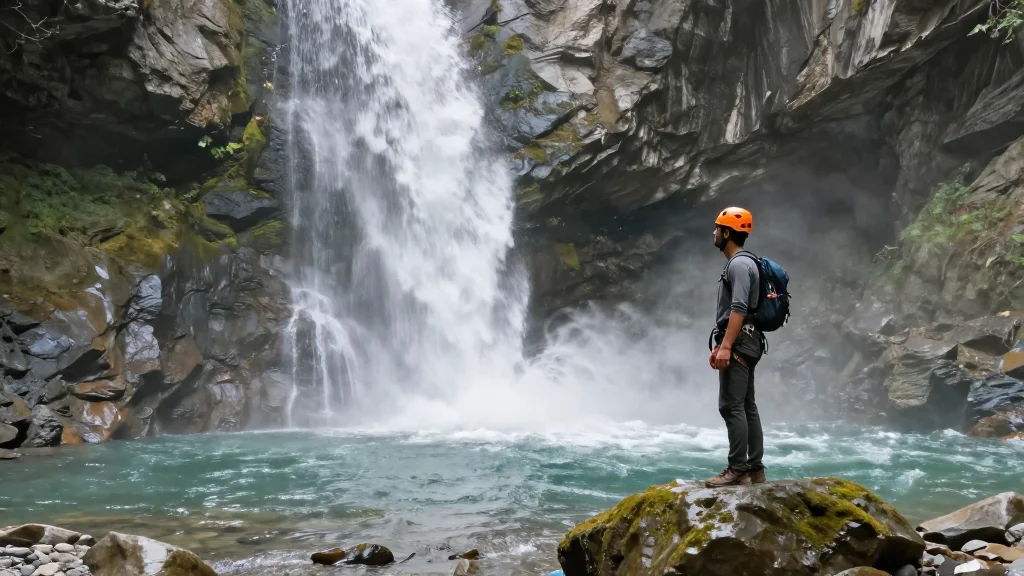
Syanga, Nepal Emerges as Country’s New Premier Canyoning Hub

Why It Matters
The emergence of Syangja as a canyoning hub diversifies Nepal’s adventure‑tourism brand, traditionally dominated by trekking and mountaineering. By tapping into a growing global market for extreme water sports, the district can attract a new segment of tourists, generate year‑round revenue, and reduce pressure on over‑visited trekking routes. Moreover, the project illustrates how local communities can reframe cultural narratives to drive economic development while confronting environmental and heritage concerns. The outcome will inform policy decisions on sustainable tourism expansion across the Himalayas.
Key Takeaways
- •Local entrepreneurs and provincial officials have equipped Khalte waterfall with professional canyoning infrastructure.
- •The site, once known as the haunted "Masane Gairo," is now marketed to international adventure tourists.
- •Syangja’s limestone geology offers ideal vertical drops for technical canyoning circuits.
- •The initiative aims to diversify Nepal’s tourism beyond trekking and rafting, creating new jobs and revenue streams.
- •Future plans include regional competitions and eco‑friendly visitor facilities slated for 2026.
Pulse Analysis
Syangja’s rapid ascent as Nepal’s premier canyoning destination reflects a broader shift in adventure tourism toward niche, high‑adrenaline experiences. Historically, Nepal’s brand has hinged on iconic high‑altitude pursuits, but the market is maturing; travelers now seek varied, skill‑based activities that can be accessed without extensive acclimatization. By leveraging its unique geology, Syangja fills a gap in the regional product mix, offering vertical water descents that complement existing trekking routes.
The economic model hinges on a virtuous cycle: improved infrastructure attracts higher‑spending visitors, which funds further upgrades and community benefits, reinforcing the destination’s appeal. However, the venture must navigate environmental stewardship and cultural sensitivity. The transformation of a site steeped in local folklore into a commercial adventure arena risks alienating residents if benefits are unevenly distributed. Transparent revenue‑sharing agreements and community‑led management structures will be critical to sustaining local support.
If Syangja’s model proves successful, it could catalyze a wave of similar projects across Nepal’s lesser‑known valleys, turning “haunted” or underutilized landscapes into sustainable tourism assets. This would diversify the country’s income streams, reduce over‑reliance on a few flagship routes, and position Nepal as a comprehensive outdoor‑adventure hub in the global market.
Syanga, Nepal Emerges as Country’s New Premier Canyoning Hub
Comments
Want to join the conversation?
Loading comments...