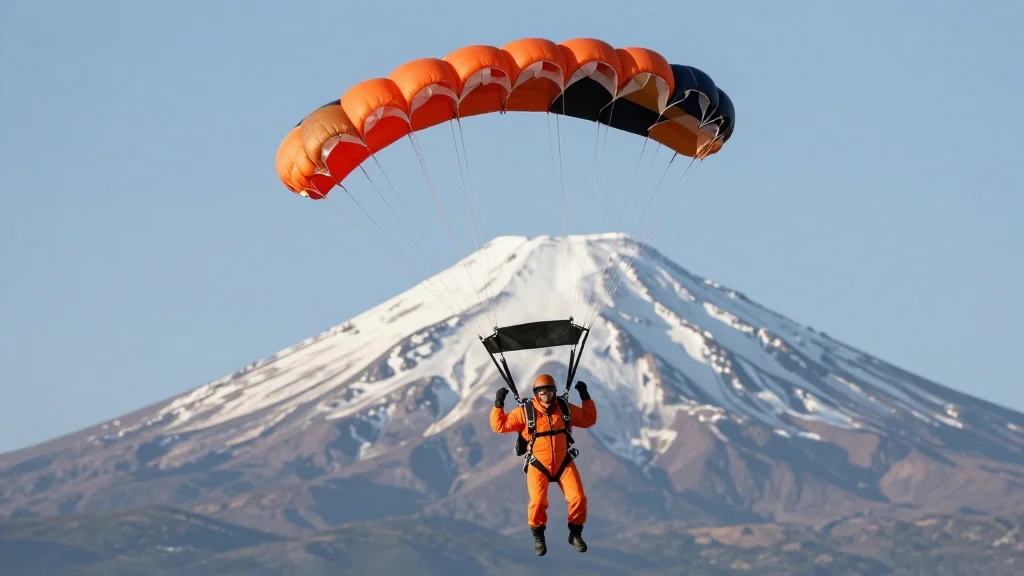
Thai Skydiver Sets Record Landing on Ojos Del Salado at 5,442 M

Why It Matters
The record underscores Thailand’s growing influence in the global adventure‑sports arena, positioning the country as a source of high‑profile athletes who can draw international attention. It also highlights the need for robust safety protocols as extreme tourism pushes into more remote and hazardous environments. Regulators, insurers, and equipment manufacturers will need to adapt to a market that increasingly values record‑setting experiences. Beyond the immediate publicity, the jump may catalyze investment in training facilities, high‑altitude gear, and cross‑border tourism partnerships. If managed responsibly, the surge in interest could boost local economies in both Thailand and destination countries like Chile, while also prompting a reevaluation of how extreme sports are governed worldwide.
Key Takeaways
- •Tanaboworn Sirikunakornkun landed on Ojos del Salado at 5,442 m, setting a new world record.
- •The jump was executed by a 48‑year‑old Thai entrepreneur and university professor.
- •He described the volcano’s scenery as “unlike anything he had ever seen” with “colors like a rainbow.”
- •The feat arrives as adventure tourism rebounds, prompting new high‑altitude travel packages.
- •Safety experts call for stricter regulations on ultra‑high altitude skydiving.
Pulse Analysis
Sirikunakornkun’s record is more than a personal triumph; it signals a shift in how adventure brands market themselves. Historically, extreme‑sport milestones have been dominated by Western athletes, but this Thai success story could diversify the narrative and attract sponsors from emerging markets. The convergence of personal branding, national pride, and commercial opportunity creates a potent formula for media amplification.
From a risk‑management perspective, the jump exposes gaps in current aviation and sport‑safety frameworks. High‑altitude environments amplify physiological stress, and the added variable of an active volcano introduces geological uncertainty. Regulators will likely face pressure to develop standardized protocols that balance innovation with participant safety, potentially leading to new certification pathways for pilots, parachute manufacturers, and medical teams.
Looking forward, the record may act as a catalyst for a wave of ultra‑high altitude attempts, each pushing the envelope of what is technically feasible. Companies that can deliver reliable oxygen delivery systems, lightweight yet robust parachutes, and real‑time weather analytics will be positioned to capture a lucrative niche. Meanwhile, tourism boards in countries with iconic high‑altitude sites may invest in infrastructure to support safe, regulated extreme‑sport events, turning natural landmarks into economic assets while preserving their ecological integrity.
Thai Skydiver Sets Record Landing on Ojos del Salado at 5,442 m
Comments
Want to join the conversation?
Loading comments...