Why It Matters
Ultralight tents are reshaping backcountry travel by delivering comfort without sacrificing weight, influencing purchasing decisions across the outdoor gear market. Manufacturers that balance durability, price and packability gain a competitive edge as hikers prioritize efficiency and weather resilience.
Key Takeaways
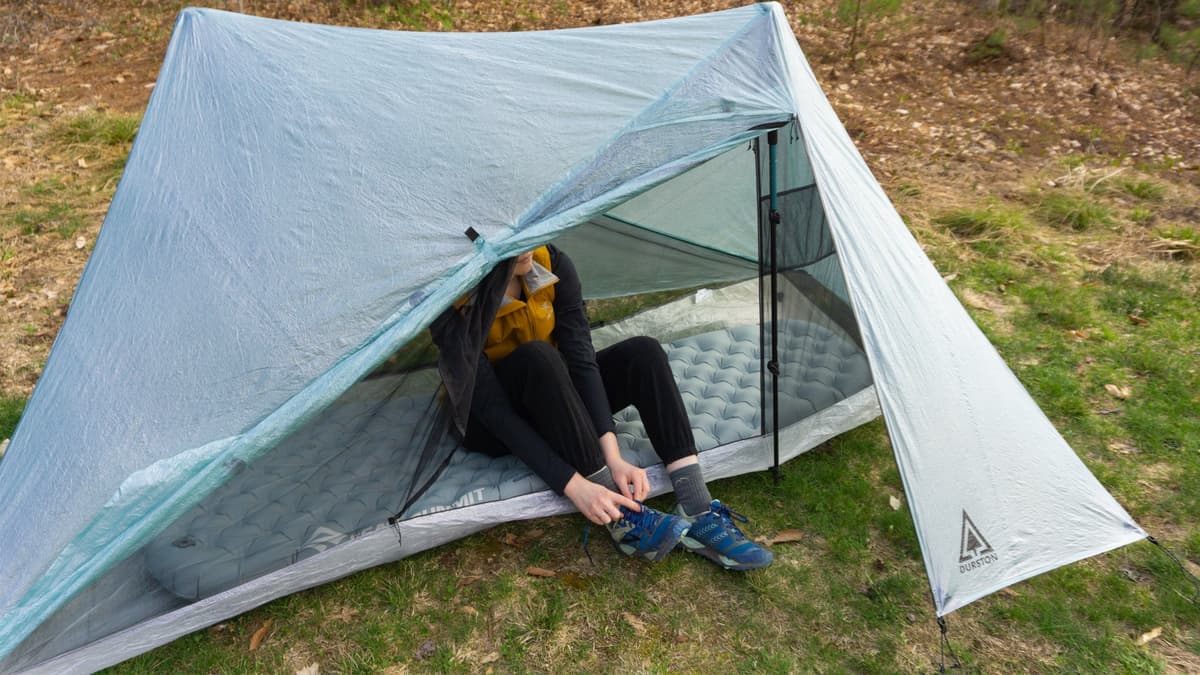
- •Durston X‑Mid Pro 1 weighs just 1 lb 1 oz, tops overall list
- •Six Moon Designs Lunar Solo offers value at $260 with tall peak
- •Black Diamond Mega Light provides 51 sq ft interior, best space‑to‑weight ratio
- •Zpacks Duplex remains most livable but commands $749 premium price
- •Test panel logged 52 nights, 39‑97 °F range, and 2‑in downpour
Pulse Analysis
The ultralight tent segment has exploded in the past five years, driven by advances in high‑performance fabrics such as Dyneema and silpoly. These materials deliver sub‑pound weights while maintaining waterproof ratings that rival traditional nylon shelters. As a result, manufacturers can price premium models like the Durston X‑Mid Pro 1 at $599, positioning them as viable alternatives to heavier, legacy tents for serious thru‑hikers who count every ounce.
Performance testing this spring highlighted clear trade‑offs among the top picks. The Durston X‑Mid Pro 1 excels in wind resistance and interior volume, but its pole‑offset system demands a learning curve. In contrast, the Six Moon Designs Lunar Solo offers a beginner‑friendly single‑pole setup and a generous 49‑inch peak, making it attractive for newcomers seeking affordability. Black Diamond’s Mega Light maximizes space‑to‑weight efficiency, yet its lack of vestibules limits gear storage, while Zpacks Duplex delivers unmatched livability for tall users at a steep $749 price point, underscoring the premium placed on Dyneema construction.
For consumers, the buying decision now hinges on three factors: intended terrain, weather exposure, and budget. Freestanding designs like the Durston X‑Dome 1+ simplify pitching on rocky ground, whereas semi‑freestanding tents such as the Big Agnes Tiger Wall UL2 shave weight at the cost of extra stakes. As the market matures, we can expect more hybrid models that blend lightweight single‑wall technology with improved ventilation, further narrowing the gap between ultralight convenience and full‑season protection. Brands that innovate on material cost‑efficiency will likely dominate the next wave of ultralight adoption.
The 7 Best Ultralight Tents of 2026
Comments
Want to join the conversation?
Loading comments...