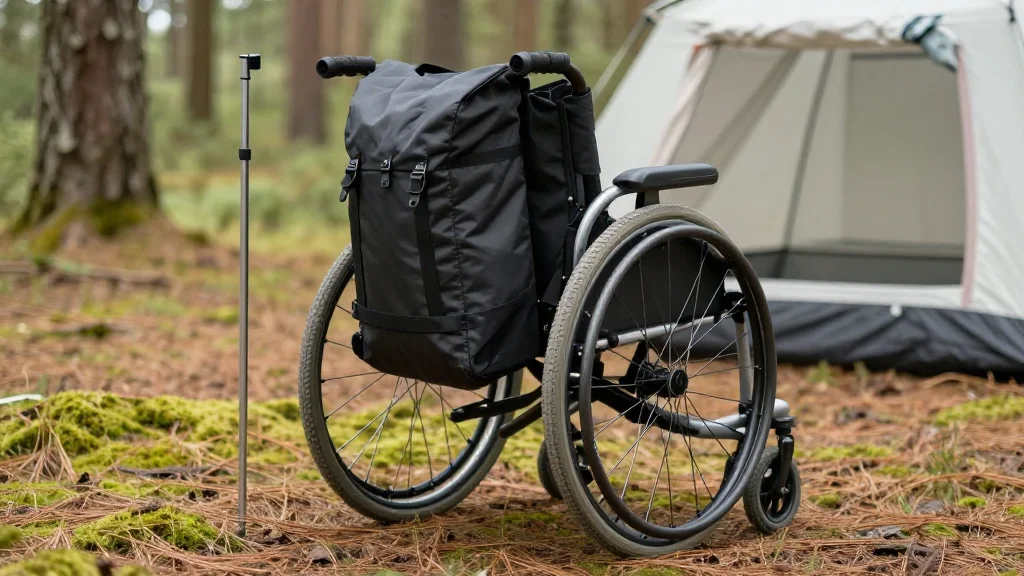
The North Face Launches Adaptive "Universal Collection" For Disabled Adventurers

Companies Mentioned
Why It Matters
The introduction of adaptive gear by a market leader reshapes the narrative around who can participate in outdoor recreation. By normalizing equipment that accommodates a range of physical abilities, The North Face helps dismantle long‑standing barriers that have kept many potential enthusiasts on the sidelines. This shift could drive higher participation rates among disabled individuals, fostering a more diverse outdoor culture and expanding the consumer base for retailers. From a business perspective, the move highlights the financial upside of inclusive design. As demographic data shows a sizable portion of the population lives with a disability, brands that address these needs stand to capture new revenue streams while enhancing brand reputation. The Universal Collection may also influence supply‑chain practices, prompting manufacturers to adopt more flexible production methods that can accommodate varied user requirements.
Key Takeaways
- •The North Face launched the Universal Collection, its first adaptive gear line, this week
- •The line was co‑developed with adaptive athletes and disability community groups
- •More than 25% of U.S. adults have a disability, representing a large potential market
- •Other brands like Marmot and Sierra Designs have released limited adaptive‑focused items, but none at The North Face’s scale
- •The collection will debut online and in select flagship stores, with broader rollout planned later in 2026
Pulse Analysis
The North Face’s entry into adaptive equipment signals a strategic pivot that aligns social responsibility with market growth. Historically, mainstream outdoor brands have catered to able‑bodied consumers, leaving adaptive needs to niche manufacturers. By leveraging its brand cachet, The North Face can accelerate mainstream acceptance of inclusive design, forcing competitors to reevaluate their product roadmaps. This could compress the innovation cycle, as smaller firms that previously held the adaptive niche may be compelled to partner with larger players or risk marginalization.
Economically, the adaptive segment is poised for expansion. The CDC’s statistic that one in four adults lives with a disability translates into a consumer pool of roughly 80 million Americans. If even a modest fraction of this group adopts mainstream gear, the revenue impact could reach into the low‑hundreds of millions annually. Moreover, the inclusive positioning may attract corporate sponsorships and government contracts tied to accessibility initiatives, further diversifying income sources.
Looking ahead, the success of the Universal Collection will hinge on authentic engagement with the disability community and measurable improvements in product usability. If The North Face can demonstrate that its adaptive gear performs on par with—or exceeds—traditional equipment, it will set a new benchmark for the industry. Conversely, a lukewarm market response could reinforce the perception that adaptive design remains a niche concern. Either outcome will shape how outdoor brands allocate R&D budgets and prioritize inclusivity in the next decade.
The North Face Launches Adaptive "Universal Collection" for Disabled Adventurers
Comments
Want to join the conversation?
Loading comments...