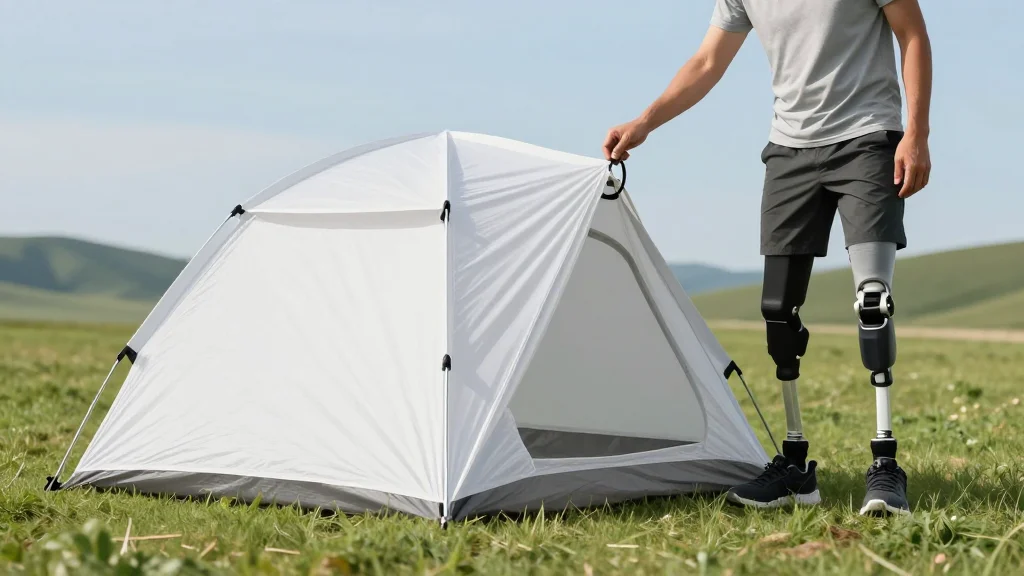
The North Face Launches Universal Collection, Pioneering Adaptive Outdoor Gear

Companies Mentioned
Why It Matters
The Universal Collection marks a tangible shift toward inclusive design in an industry long dominated by one‑size‑fits‑all equipment. By embedding accessibility into core product architecture, The North Face not only expands its addressable market but also sets a precedent that could drive regulatory and standards bodies to codify universal design principles for outdoor gear. For consumers with disabilities, the line reduces barriers to participation, fostering greater diversity on trails, slopes and cliffs. Beyond the immediate user base, the collection’s innovations—such as low‑tension pole locks and high‑contrast tent sills—address common pain points for all outdoor enthusiasts. If competitors adopt similar features, the overall user experience across the market could improve, leading to higher satisfaction, lower injury rates and stronger brand loyalty. The move also signals to investors that adaptive gear is a growth engine, potentially unlocking new funding streams for startups focused on accessibility.
Key Takeaways
- •The North Face unveiled the Universal Collection, featuring a tent, sleeping bag, backpack and accessories.
- •Adaptive athletes Vasu Sojitra (one‑legged skier) and Maureen Beck (one‑handed climber) consulted on the design.
- •Senior Technical Equipment Designer Luke Matthews introduced low‑tension pole pockets and a lowered tent lip for wheelchair access.
- •The Universal Wawona 3 tent adds high‑contrast doorway sills and an oversized stuff sack for easier setup and breakdown.
- •The line is slated for field testing at the Adaptive Climbers Fest in August, with further adaptive products planned later in 2026.
Pulse Analysis
The North Face’s Universal Collection is more than a product launch; it is a strategic pivot that aligns brand equity with a growing demand for inclusive experiences. Historically, outdoor gear has been engineered for the able‑bodied majority, leaving a sizable segment underserved. By integrating adaptive feedback at the design stage, The North Face reduces the need for aftermarket modifications, a cost‑saving that resonates with both consumers and retailers.
From a competitive standpoint, the move forces legacy players like Patagonia, Columbia and REI to reassess their own design pipelines. Early adopters of universal design can capture market share among disability‑focused retailers and gain goodwill among advocacy groups, translating into stronger community ties and brand advocacy. Moreover, the collection’s design language—low‑tension mechanisms, high‑visibility cues, oversized components—addresses universal pain points, suggesting a broader applicability that could become a new industry baseline.
Looking ahead, the success of the Universal Collection will hinge on measurable adoption metrics and real‑world performance data. If field tests confirm durability and ease of use, we can expect a cascade of adaptive‑centric product lines, not only from The North Face but across the outdoor sector. This could spur a wave of investment into materials science and ergonomic research tailored to diverse body types, ultimately reshaping how outdoor gear is conceived, manufactured, and marketed.
The North Face Launches Universal Collection, Pioneering Adaptive Outdoor Gear
Comments
Want to join the conversation?
Loading comments...