Why It Matters
The launch signals growing consumer demand for bikes that blend race‑level speed with ultra‑endurance comfort, reshaping component priorities. Riders’ real‑world data from events like the Mendocino 600 informs manufacturers on durability, weight trade‑offs, and nutrition planning for long‑haul markets.
Key Takeaways
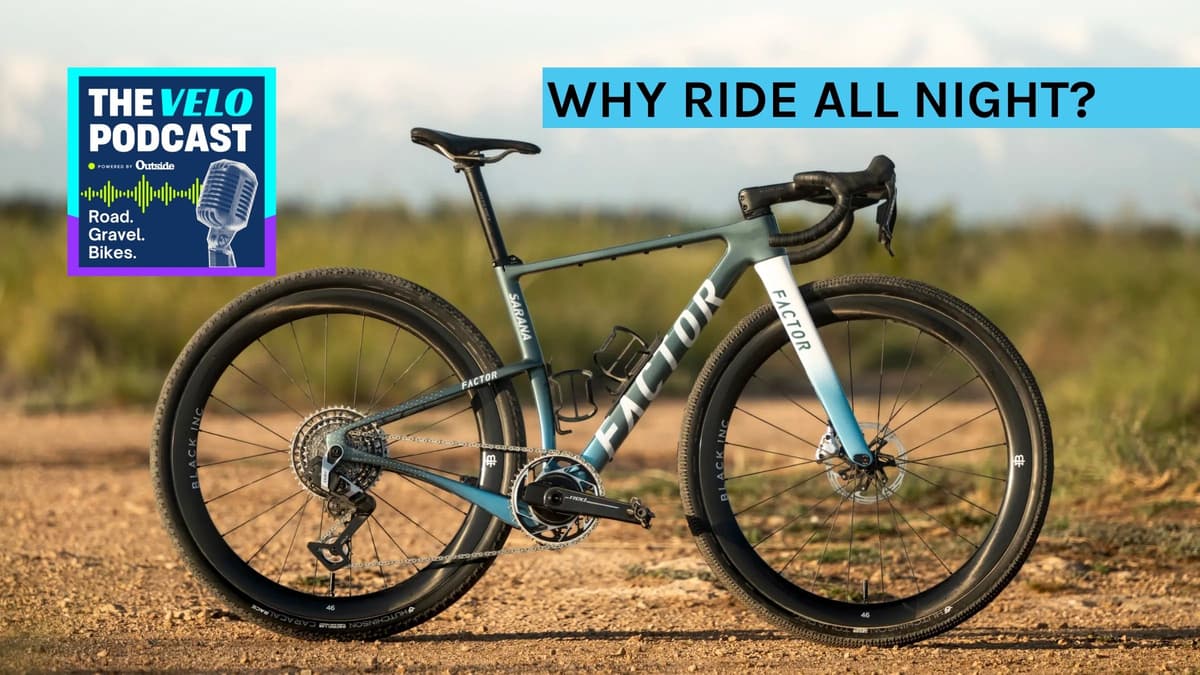
- •Factor Sarana supports 2.2″ tires and carbon frame compliance
- •Bike geometry favors speed while maintaining endurance comfort
- •Lisa rode a steel frame with carbon wheels for 600 km
- •Power‑meter pacing helps limit fatigue during ultra rides
Pulse Analysis
Ultra‑distance cycling is moving from niche to mainstream, and manufacturers are responding with purpose‑built machines. Factor’s Sarana exemplifies this shift, marrying a race‑oriented geometry with features traditionally reserved for endurance rigs—wide tire clearance, vertical compliance, and integrated storage. By offering a carbon frame that flexes under long climbs yet remains responsive on fast gravel sections, the bike targets riders who refuse to compromise between speed and comfort. This hybrid approach reflects broader market trends where cyclists demand versatile platforms capable of tackling 200‑plus kilometer events without swapping bikes.
The Mendocino Coast 600 ride illustrates how athletes translate bike technology into real‑world performance. Charlebois’s choice of a steel frame—renowned for its damping qualities—combined with ultra‑light carbon wheels underscores a nuanced trade‑off: comfort and durability versus absolute weight savings. Her 20‑hour, 5,128‑meter ascent relied on meticulous fueling and a power meter to stay within sustainable zones, reinforcing the growing importance of data‑driven pacing in ultra‑endurance. Such insights are prompting component makers to develop lighter carbon rims that retain compliance and power‑meter integration that can survive prolonged stress.
For the industry, these developments signal a new product development axis. Bike shops must stock models that cater to both speed‑hungry gravel racers and ultra‑distance purists, while component suppliers are pressured to innovate lighter, more compliant carbon layups and durable drivetrain solutions. Training programs are also evolving, incorporating nutrition and pacing strategies that mirror the experiences shared on podcasts like Velo. As ultra‑distance events proliferate, the convergence of race‑grade performance and endurance comfort will likely become a defining characteristic of the next generation of bicycles.
The Real Reason We Ride All-Night Ultra Events
Comments
Want to join the conversation?
Loading comments...