These 7 Historic Resorts Are Now Epic Adventure Hubs
Companies Mentioned
Why It Matters
The convergence of adventure and heritage expands revenue streams for legacy resorts and meets the growing demand for immersive, active travel, reshaping the hospitality landscape.
Key Takeaways
- •Greenbrier adds rafting, paintball, mountain biking to spa experience
- •French Lick launches fishing pond, hiking trails, pickleball tournaments
- •Glenwood Hot Springs offers ski packages and adventure park access
- •Casa Marina transforms beach into parasailing, jet‑ski, sportfishing hub
- •ATTA study shows 66% of U.S. travelers seek activity plus culture
Pulse Analysis
The hospitality industry is witnessing a decisive pivot as historic resorts rebrand themselves as adventure hubs. Travelers today crave more than passive relaxation; they seek experiences that combine physical activity with a sense of place. Legacy properties, long celebrated for mineral springs and elegant ballrooms, are integrating high‑octane offerings—white‑water rafting, mountain‑bike trails, and zip‑lining—to satisfy this appetite. By marrying heritage tourism with adventure travel, these resorts tap into a lucrative niche that appeals to families, millennials, and wellness‑focused guests who value both history and adrenaline.
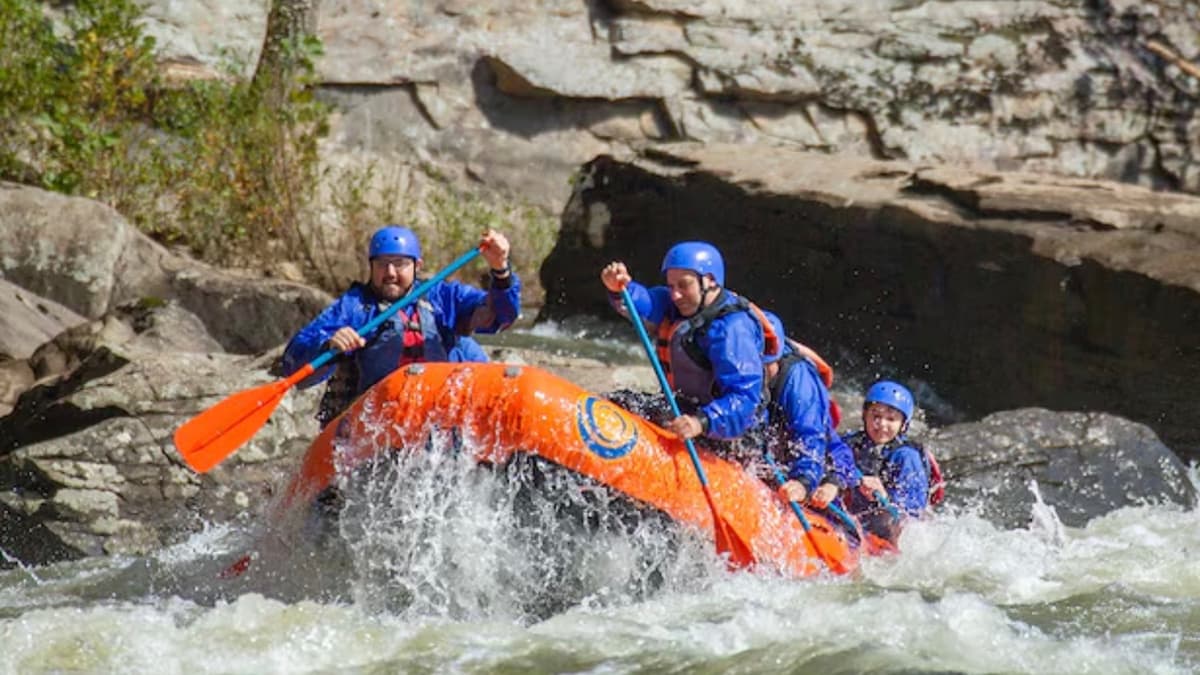
At the forefront of this trend, the Greenbrier in West Virginia has layered paintball arenas, Polaris RZR excursions, and guided fly‑fishing onto its iconic spa services. Similar transformations are evident at French Lick Resort’s new catch‑and‑release pond and pickleball courts, Glenwood Hot Springs’ ski‑and‑snow packages, and Casa Marina’s beachfront parasailing and sportfishing launchpad. Even the 1886 Crescent Hotel and Congress Hall have introduced mountain‑bike discounts and surfing lessons, respectively, while preserving their historic architecture and storytelling tours. These initiatives demonstrate that adventure can coexist with, and even enhance, the narrative allure of heritage sites.
Data from the Adventure Travel Trade Association underscores the market potential: 66% of American travelers now prioritize activity and nature alongside cultural immersion. For historic resorts, this translates into higher occupancy rates, diversified revenue streams, and a competitive edge over conventional luxury hotels. As the line between leisure and adventure blurs, more legacy properties are likely to adopt similar hybrid models, positioning themselves as destinations where guests can both unwind in historic grandeur and unleash their adventurous spirit.
These 7 Historic Resorts Are Now Epic Adventure Hubs
Comments
Want to join the conversation?
Loading comments...