This Costa Rican Corridor Should Be A Blueprint For The World
Why It Matters
The initiative proves that targeted, financially backed reforestation can protect coastal communities, enhance biodiversity, and boost sustainable tourism—key pillars for climate adaptation worldwide.
Key Takeaways
- •10,000 native trees planted across 23 hectares since 2018.
- •Restoration links beaches, dunes, mangroves, and forests into a living corridor.
- •Funding comes from a fossil‑fuel tax and payments to farmers.
- •Coastal forest stabilizes dunes, cuts erosion, and supports sea‑turtle nesting.
- •Forest cover rose from 25% to 57%, protecting half a million species.
Pulse Analysis
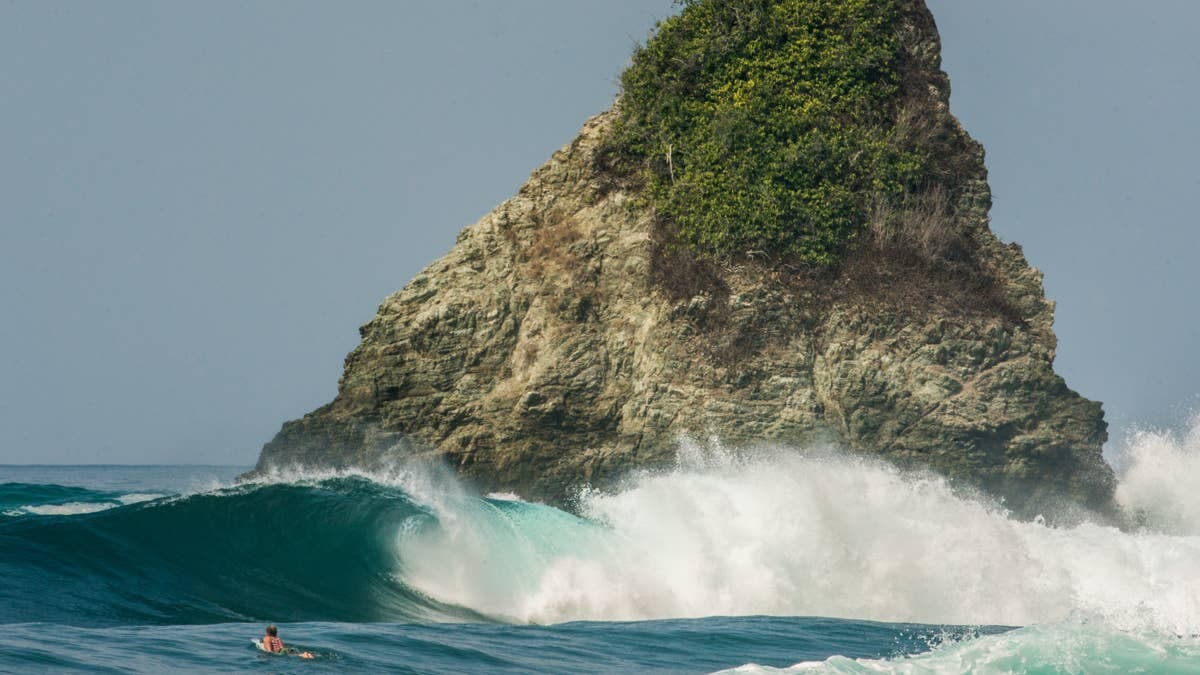
Costa Rica’s coastal forest corridor illustrates how strategic reforestation can turn vulnerable shorelines into resilient ecosystems. By removing invasive grasses and planting dense clusters of 50 native tree species, the project accelerates ecological succession, allowing dunes to anchor, moisture to be retained, and habitats to re‑emerge. The integration of beaches, mangroves and lowland forest creates a seamless transition zone that not only curbs erosion but also nurtures endangered sea turtles and a diversity of birds, insects, and mammals, reinforcing the region’s famed surf conditions.
Beyond environmental gains, the corridor fuels economic growth through ecotourism and a novel “surf ecosystems” model that aligns local livelihoods with conservation. The financing structure—leveraging a tax on fossil fuels and direct payments to farmers for watershed protection—demonstrates a scalable policy toolkit for other nations grappling with coastal degradation. By internalizing the cost of carbon emissions, Costa Rica turns climate liability into a restoration asset, delivering measurable returns in reduced property damage and increased tourism revenue.
The success of this 23‑hectare pilot offers a replicable blueprint for coastal regions worldwide, from the Outer Banks to Australian surf towns. While tropical forest dynamics differ, the core principles—removing invasive species, planting native vegetation in high‑density clusters, and linking coastal habitats to inland corridors—are universally applicable. As sea‑level rise intensifies, nations that invest in nature‑based solutions will safeguard both their economies and ecosystems, positioning ecological restoration as a cornerstone of climate resilience strategy.
This Costa Rican Corridor Should Be A Blueprint For The World
Comments
Want to join the conversation?
Loading comments...