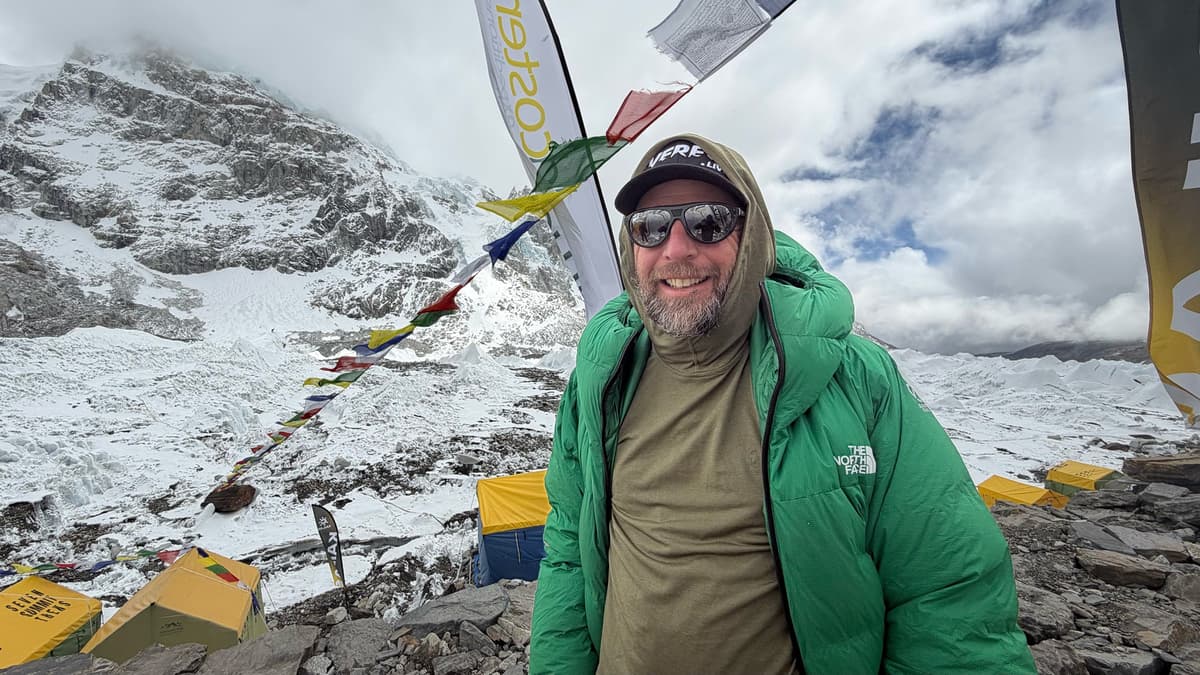
This Gear Kept Me Warm, Dry, and Healthy During My Hike to Mount Everest Base Camp
Companies Mentioned

Why It Matters
Choosing the right equipment can mean the difference between a safe, healthy summit approach and altitude‑related illness, influencing both individual trekkers and the broader adventure‑tourism market. The gear list also reflects shifting consumer preferences toward lightweight, sustainable, and warranty‑backed products.
Key Takeaways
- •La Sportiva Aequilibrium Trek GTX boots offer warmth and zero break‑in
- •Darn Tough socks provide lifetime warranty and high altitude warmth
- •Skida neck gaiter helps prevent Khumbu cough by warming inhaled air
- •Vapro Airtrim mask recycles heat, keeping lungs warm at extreme altitude
- •Kailas Aether‑D 30 L backpack combines Dyneema durability with lightweight design
Pulse Analysis
Everest Base Camp remains one of the world’s most popular high‑altitude treks, drawing thousands of adventure seekers each spring. The 8,000‑foot vertical gain and sub‑zero nights demand gear that balances insulation, weight, and durability. Over the past decade, manufacturers have responded with technical fabrics, breathable membranes, and modular designs that let trekkers shed layers without sacrificing protection. Understanding these innovations helps hikers plan for the physiological stresses of altitude, from hypoxia to rapid weather shifts, and reduces the risk of costly gear failures on remote trails.
Footwear and base layers form the foundation of any high‑altitude wardrobe. Modern hiking boots like La Sportiva’s Aequilibrium Trek GTX combine a stiff, rock‑gripping sole with Gore‑Tex‑style membranes that trap heat while allowing moisture to escape, a crucial factor in preventing frostbite on the Khumbu Glacier. Complementary socks—such as Darn Tough’s midweight and heavyweight models—offer a lifetime warranty and a superior warmth‑to‑weight ratio, keeping feet dry and reducing blister risk. Upper garments, from Fjällräven’s wool hoodies to Paka’s alpaca crew sweater, provide natural insulation that breathes, mitigating overheating during the trek’s strenuous ascents.
Respiratory health is often overlooked, yet the thin, dusty air at 5,300 meters fuels the infamous Khumbu cough. Simple solutions like a Skida neck gaiter or a Vapro Airtrim heat‑exchange mask pre‑warm inhaled air, preserving lung moisture and easing breathing effort. Meanwhile, UV protection remains non‑negotiable; Vuarnet’s Ice 01 lenses filter high‑altitude glare that can cause retinal damage. The rise of lightweight, Dyneema‑based packs such as Kailas’s Aether‑D reflects a market shift toward durability without bulk, enabling trekkers to carry essential tech and personal items efficiently. As the adventure‑tourism sector expands, informed gear choices will drive safer, more sustainable expeditions to the roof of the world.
This Gear Kept Me Warm, Dry, and Healthy During My Hike to Mount Everest Base Camp
Comments
Want to join the conversation?
Loading comments...