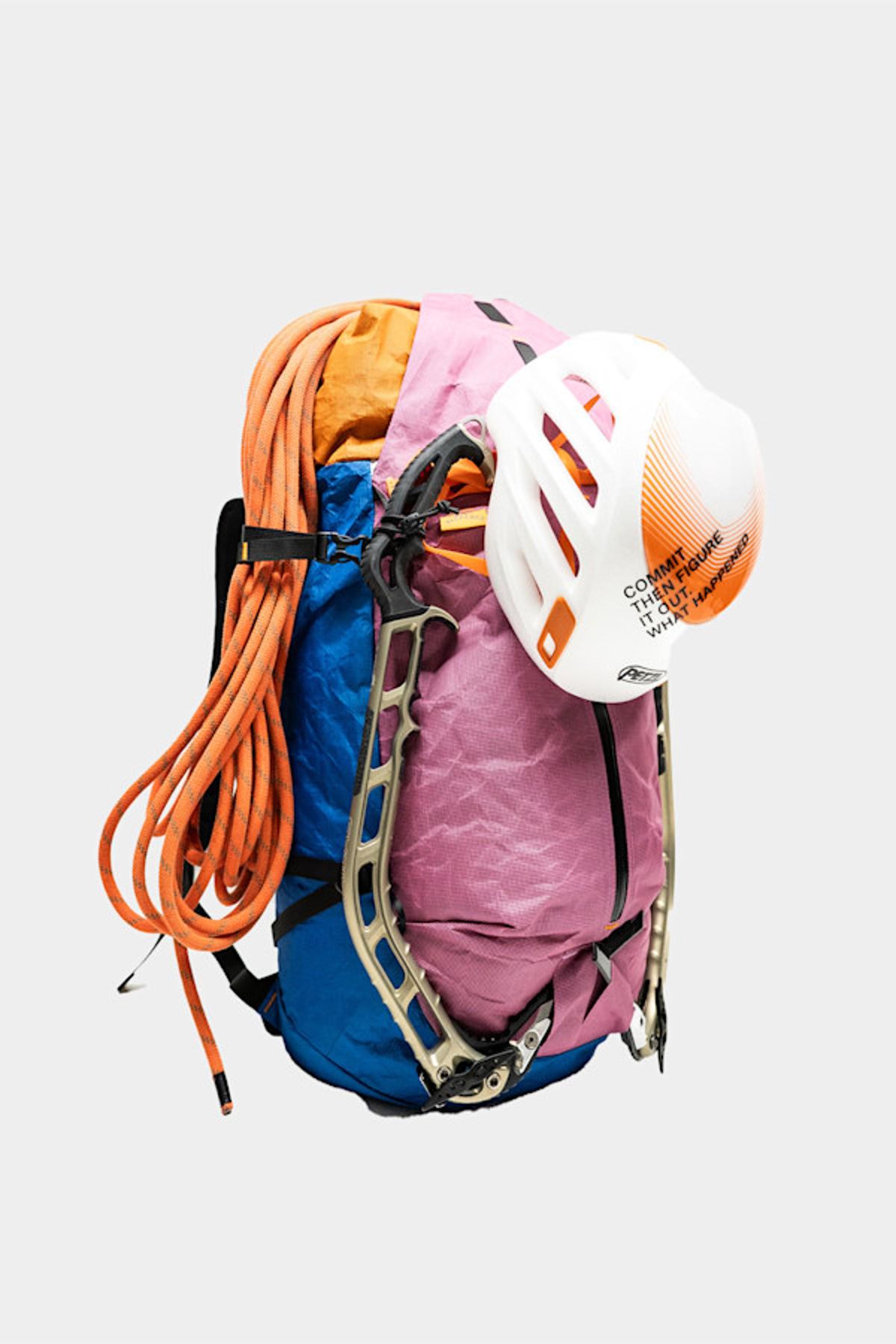
This One-Woman Brand Is Making Backpacks Coveted by Global Mountain Pros
Why It Matters
By delivering truly custom, repair‑ready packs, Peterca addresses a niche unmet by mainstream outdoor brands, potentially reshaping how professional guides source gear. The approach also showcases a sustainable, small‑scale manufacturing model that could inspire broader industry change.
Key Takeaways
- •What Happened packs are custom‑sewn for each climber’s torso length
- •Guides trust the brand for ultralight, durable alpine expeditions
- •Peterca runs sole repair shop in Slovenia, preserving gear‑repair knowledge
- •Pop‑up workshops planned in Munich and Zurich to boost awareness
- •Custom price comparable to $500 off‑the‑shelf packs, but lasts longer
Pulse Analysis
The outdoor equipment market has long been dominated by mass‑produced packs that aim for broad appeal, often sacrificing fit and longevity. As climate‑conscious consumers and professional alpinists seek gear that can endure extreme conditions while minimizing waste, custom‑made solutions like What Happened are gaining traction. By marrying artisanal sewing techniques with modern technical specifications, Peterca offers a product that not only meets precise ergonomic needs but also aligns with a growing demand for repairable, sustainable gear.
Peterca’s journey—from founding the urban brand Blind Chic to apprenticing with Europe’s sole technical repair specialist—has given her a rare blend of design acumen and hands‑on durability expertise. Her direct dialogue with IFMGA‑certified guides ensures each pack incorporates real‑world feedback, resulting in ultralight frames that can carry heavy glacier gear without compromising comfort. Priced on par with high‑end off‑the‑shelf models, these custom packs deliver a longer service life, effectively lowering the total cost of ownership for professionals who would otherwise replace packs every few seasons.
Looking ahead, Peterca’s planned pop‑up workshops in Munich and Zurich aim to demystify the custom‑craft process and build community trust without aggressive sales tactics. This grassroots outreach could inspire other niche manufacturers to adopt similar models, challenging the industry’s reliance on large inventories and planned obsolescence. If the brand’s word‑of‑mouth growth continues, it may prompt larger outdoor firms to reconsider how they address fit, repairability, and sustainability, potentially reshaping supply chains across the sector.
This One-Woman Brand Is Making Backpacks Coveted by Global Mountain Pros
Comments
Want to join the conversation?
Loading comments...