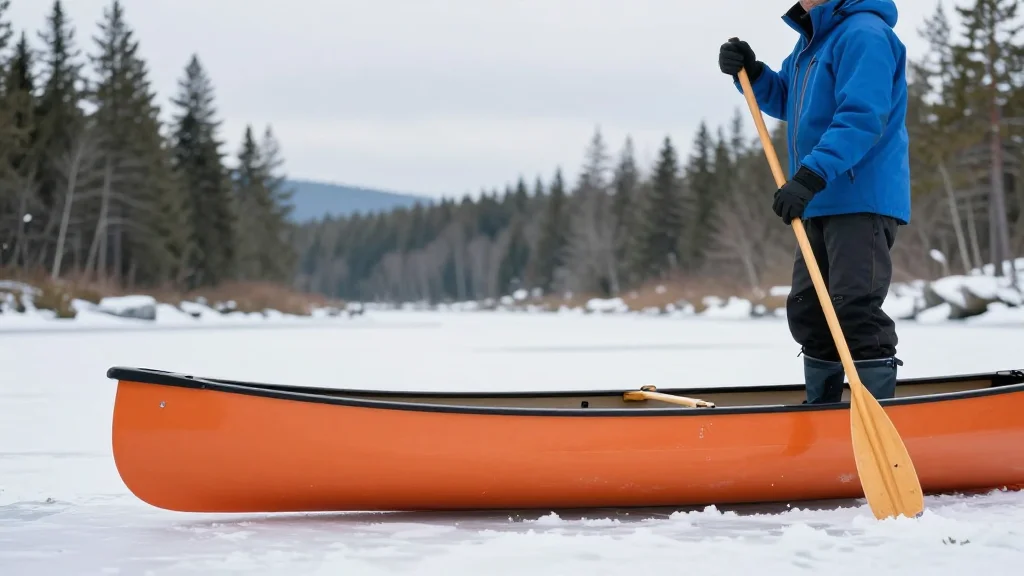
Three Canadians Press On with 8,000‑km Coast‑to‑Coast Canoe Trek After 533 Km of Portages

Why It Matters
The paddlers’ trek underscores a resurgence of interest in ultra‑long‑distance canoeing, a sport that demands meticulous planning, physical stamina, and deep respect for Indigenous territories. Their reliance on local communities for sustenance and cultural exchange highlights the social dimension of wilderness travel, suggesting that future expeditions may increasingly incorporate partnership models with First Nations. Moreover, the challenges posed by lingering ice and unpredictable weather illustrate how climate change is reshaping traditional paddling windows, prompting adventurers to develop adaptive strategies that could influence broader outdoor recreation policies. By documenting their progress publicly, Vyse, Kirijian and Aziz provide valuable real‑time data on river conditions, portage routes, and community support networks. This transparency can aid rescue services, guidebook authors, and emerging adventure‑tourism operators seeking to balance risk with authentic wilderness experiences. Their journey, therefore, is not just a personal feat but a case study in how modern explorers navigate the intersection of sport, environment, and cultural stewardship.
Key Takeaways
- •Three paddlers have covered 1,241 km in 53 days of an 8,000‑km coast‑to‑coast canoe trek.
- •They have completed 533 km of portaging, including a 262‑km, 13‑day over‑land haul.
- •Nolan Aziz suffered a head injury early in the trip and rejoined for the fourth leg.
- •Indigenous communities in Obedjiwan provided food, water, and a traditional cleansing ceremony.
- •The team aims to finish in Prince Rupert, British Columbia, by early autumn.
Pulse Analysis
The Canadian coast‑to‑coast canoe expedition reflects a broader shift in outdoor adventure toward ultra‑endurance challenges that blend physical performance with cultural immersion. Historically, long‑distance paddling was the domain of a few seasoned explorers; today, social media amplifies these feats, turning individual journeys into public spectacles that attract sponsorship and community support. This democratization, however, brings heightened expectations for safety and environmental responsibility. The paddlers’ reliance on Indigenous hospitality signals a growing recognition that wilderness access is inseparable from the rights and traditions of First Nations, a trend that could reshape permitting processes for future expeditions.
Climate variability adds another layer of complexity. The lingering ice that forced multiple portages this spring would have been less of an issue a decade ago, suggesting that climate‑driven changes in freeze‑thaw cycles are already influencing route viability. Companies that specialize in remote navigation tools, satellite ice monitoring, and portable portage equipment stand to benefit as adventurers seek to mitigate these new risks. In the longer term, the data generated by such high‑visibility trips could inform governmental agencies about shifting hydrological patterns, potentially influencing waterway management and conservation policies.
Finally, the expedition’s narrative—punctuated by community aid, injury recovery, and relentless paddling—offers a compelling template for storytelling in the outdoors sector. Brands and media outlets can leverage these human‑interest angles to engage audiences beyond the core paddling community, tapping into broader themes of resilience, environmental stewardship, and cultural respect. As the trio nears the Pacific, their story will likely catalyze a new wave of interest in multi‑season, cross‑country paddling endeavors, prompting both commercial opportunities and a reevaluation of how we approach wilderness travel in a changing climate.
Three Canadians Press On with 8,000‑km Coast‑to‑Coast Canoe Trek After 533 km of Portages
Comments
Want to join the conversation?
Loading comments...