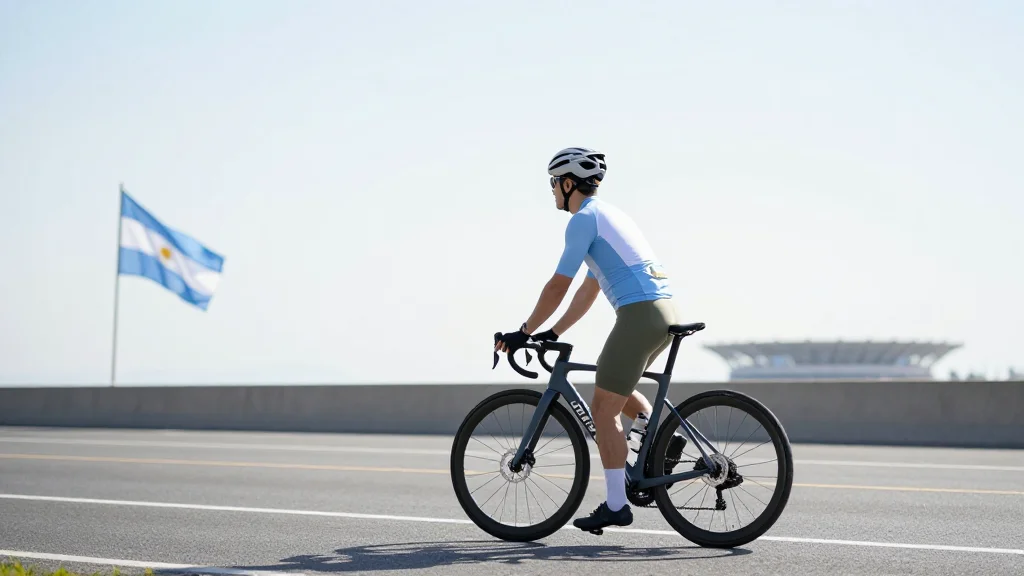
Three Fans Pedal 10,000 Miles From Argentina to Kansas City for Messi's World Cup Debut

Why It Matters
The ride illustrates how personal passion can transform a global sporting event into a catalyst for adventure tourism, creating new revenue streams for local economies along the route. It also demonstrates the power of grassroots storytelling to amplify a sport’s cultural impact, turning a single match into a months‑long narrative that engages audiences worldwide. Moreover, the trek spotlights logistical and safety considerations for long‑distance cyclists traversing multiple jurisdictions. As more fans contemplate similar endeavors, policymakers and tourism agencies will need to address border crossings, medical support, and environmental protection to ensure sustainable growth of this niche market.
Key Takeaways
- •Three Argentine fans completed a 10,000‑mile bike trek from Gualeguaychú to Kansas City.
- •The journey spanned 17 countries and took 300 days, beginning August 16 2025.
- •Cyclists flew over the Darien Gap, the only non‑bike segment of the trip.
- •Arrival timed for Argentina’s World Cup opener on June 16 2026 against Algeria.
- •The trek highlights a new blend of extreme endurance travel and sports fandom.
Pulse Analysis
The Conculini‑Martínez‑Silio expedition signals a shift in how fans experience mega‑events. Historically, fan travel centered on ticket purchases and short‑term tourism; now, the narrative extends months before kickoff, turning the event into a personal odyssey. This evolution mirrors trends seen in marathon tourism and music‑festival pilgrimages, where the journey itself becomes a marketable product. Brands that can package logistics, safety, and storytelling stand to capture a premium segment of highly engaged fans.
From a competitive standpoint, tourism boards along the route—particularly in Central America—may vie for the attention of future fan‑pilgrims, offering incentives such as bike‑friendly infrastructure, local guides, and cultural experiences. The World Cup’s global reach amplifies these opportunities, but it also forces regulators to balance open borders with security concerns. The Darien Gap episode underscores the need for coordinated cross‑border protocols; without them, the risk of accidents or illegal crossings could tarnish the appeal.
Looking ahead, the success of this ride could inspire organized “World Cup Bike Tours” that pair official sponsorship with community engagement. If executed responsibly, such tours could generate ancillary revenue for host cities, promote sustainable travel, and deepen emotional ties to the sport. However, the model’s scalability hinges on clear safety guidelines, insurance frameworks, and realistic expectations for amateur cyclists. The next wave of fan‑driven endurance travel will likely be shaped by how quickly stakeholders can address these operational challenges while preserving the authentic spirit that drove these three fans to pedal across continents.
Three Fans Pedal 10,000 Miles from Argentina to Kansas City for Messi's World Cup Debut
Comments
Want to join the conversation?
Loading comments...