Today’s Trail Running Sneakers Are Perfectly Fine for a Hike
Companies Mentioned

Why It Matters
The shift toward high‑performance trail sneakers reshapes outdoor footwear buying patterns, prompting retailers and manufacturers to prioritize lightweight, waterproof designs that appeal to a broader, casual‑hiker market.
Key Takeaways
- •Gore‑Tex‑lined trail sneakers keep feet dry without boot bulk
- •Modern outsoles provide rock‑grade traction comparable to hiking boots
- •Wider toe boxes and lighter weight reduce fatigue on long hikes
- •Ankle support remains stronger in high‑cut boots for rugged terrain
- •Salomon, Brooks, La Sportiva dominate the hybrid trail‑sneaker market
Pulse Analysis
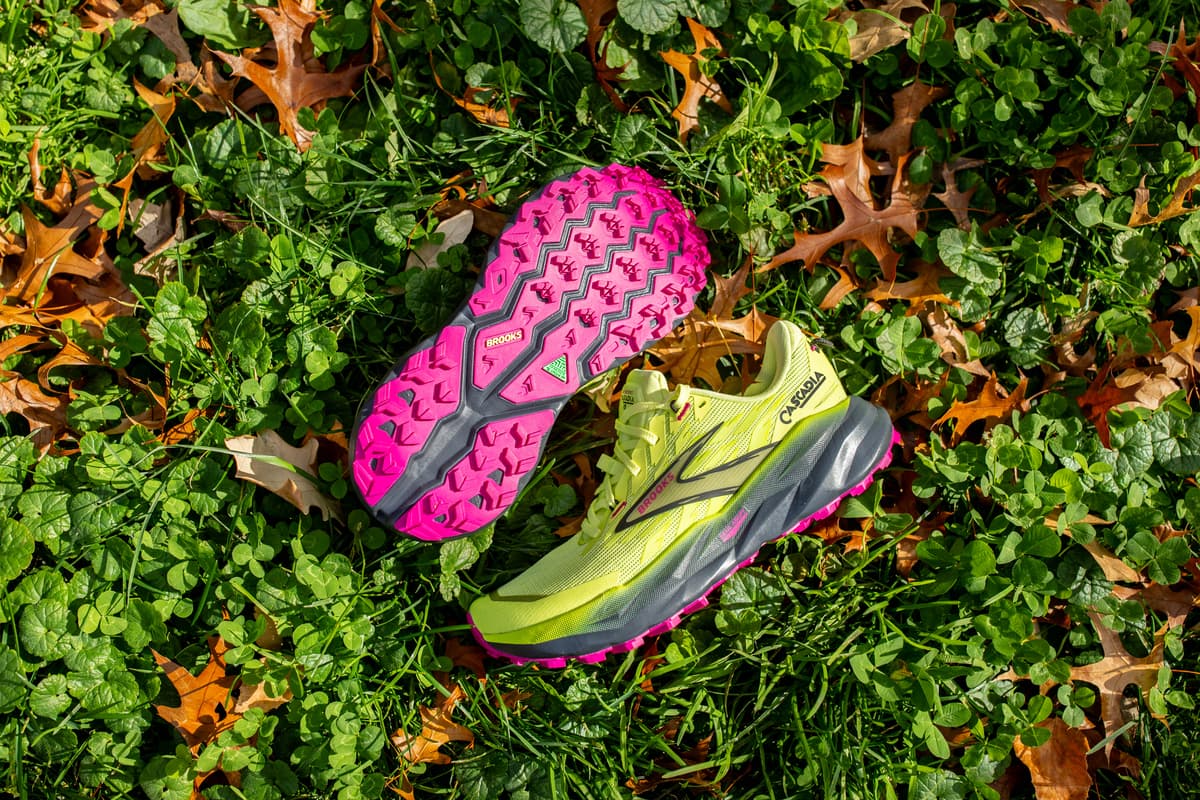
The past decade has seen a rapid infusion of technical fabrics into trail footwear. Waterproof membranes like Gore‑Tex, once exclusive to heavy boots, now line low‑profile sneakers, delivering breathable protection against rain, puddles and early‑season snow. Simultaneously, manufacturers have added rock plates and reinforced midsoles that deflect sharp stones, while aggressive lug patterns on outsoles such as Salomon’s XT‑6 and Brooks’ Cascadia 19 deliver grip on loose dirt and slick rock. These innovations give hikers the dry‑feet confidence of a boot without the added weight or break‑in period.
Performance testing highlights a nuanced trade‑off. Sneakers typically weigh 1–2 pounds less than comparable boots, translating to noticeable energy savings on multi‑hour treks. The lower profile keeps the foot closer to the ground, enhancing proprioception and balance on uneven paths. However, high‑cut boots still win on ankle stability, especially in deep mud, steep descents or when carrying heavy packs. Wider toe boxes in modern sneakers accommodate swelling and thicker socks, narrowing the fit advantage traditionally held by boots. For most day hikes and well‑maintained trails, the combined traction, waterproofing and comfort of trail sneakers meets or exceeds the needs of the average outdoor enthusiast.
Consumer preferences are responding accordingly. Outdoor retailers report rising sales of hybrid models, and brands are expanding their lineups to blur the line between running and hiking gear. This trend pressures traditional boot manufacturers to innovate lighter, more breathable options, while sneaker makers invest in durability and ankle support features. For hikers, the takeaway is clear: evaluate terrain, load and weather conditions, then choose the footwear that balances protection with efficiency, knowing that today’s trail sneakers can safely replace boots for the majority of recreational outings.
Today’s Trail Running Sneakers Are Perfectly Fine for a Hike
Comments
Want to join the conversation?
Loading comments...