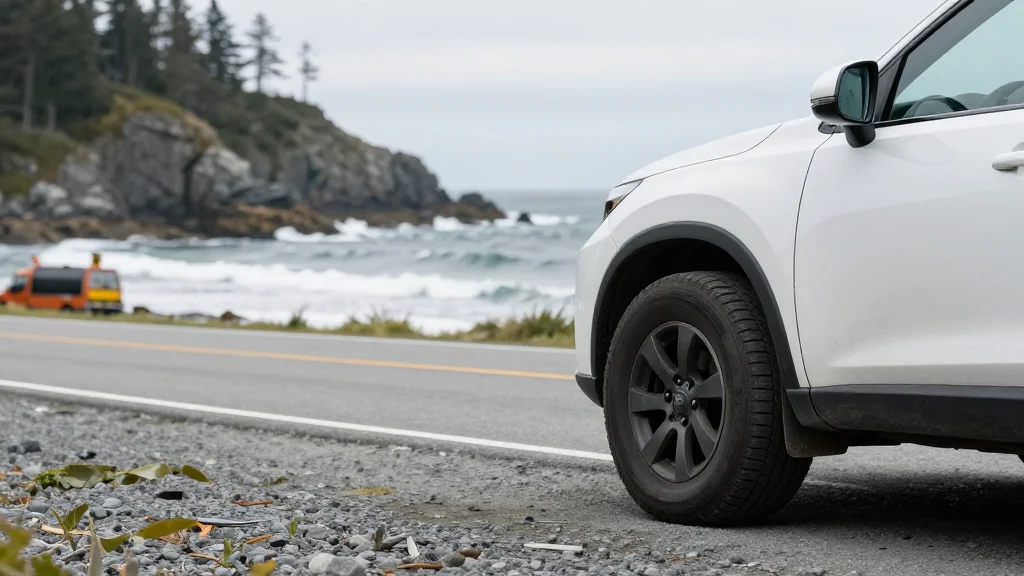
Tourists Overrun Viral BC Beach, Leaving Cars Damaged and Roads Crumbling

Why It Matters
The San Josef Bay case illustrates how social‑media‑driven tourism can outpace the capacity of remote infrastructure, creating safety hazards and environmental degradation. As more hidden gems gain global attention, governments and local operators must balance economic benefits with the costs of road maintenance, emergency response and ecosystem protection. Failure to address these pressures could lead to restricted access, harming both the tourism economy and the natural sites that draw visitors. Moreover, the incident highlights a broader trend: the rise of “Instagram tourism” in remote regions worldwide. Without proactive planning—such as clear vehicle requirements, real‑time road condition updates, and coordinated funding for road upkeep—similar destinations risk becoming overrun, jeopardizing both visitor experience and local livelihoods.
Key Takeaways
- •Visitor numbers to San Josef Bay have roughly doubled in three years, spurred by social‑media exposure.
- •Rough logging roads cause frequent blown tires; many stranded drivers require costly tows exceeding $1,000.
- •Cove Adventure Tours now equips vehicles with 10‑ply tires and full‑size spares to cope with the terrain.
- •Port Hardy councillor John Tidbury cites lack of cell coverage and unclear road‑maintenance responsibility.
- •Debate is emerging over who should fund road upgrades versus limiting access to protect the environment.
Pulse Analysis
The San Josef Bay overload is a textbook example of the unintended consequences of viral travel marketing. While the beach’s inclusion on prestigious lists has boosted local economies, the infrastructure that supports access was never designed for mass tourism. Historically, remote coastal sites have relied on low‑volume, high‑skill visitors; the shift to casual day‑trippers erodes that safety buffer. This mismatch creates a feedback loop: more accidents generate negative press, prompting authorities to consider restrictions that could dampen the very tourism revenue that communities now depend on.
From a policy perspective, the province faces a classic public‑goods dilemma. Upgrading the 25‑kilometre stretch of San Josef Main would require significant capital outlays, yet the benefits accrue primarily to private operators and tourists. A possible solution lies in a cost‑sharing model where tour operators, rental agencies and the provincial government contribute to a maintenance fund, coupled with mandatory vehicle standards for anyone attempting the route. Such a framework could mitigate road wear, reduce rescue costs, and preserve the beach’s ecological integrity.
Looking ahead, the San Josef Bay story may serve as a cautionary template for other emerging destinations. As travel platforms continue to surface hidden gems, stakeholders must anticipate infrastructure bottlenecks and embed sustainability criteria into promotion strategies. Failure to do so risks turning pristine locales into overburdened attractions, eroding both natural value and visitor satisfaction.
Tourists Overrun Viral BC Beach, Leaving Cars Damaged and Roads Crumbling
Comments
Want to join the conversation?
Loading comments...