Turkmenistan: The World’s Most Mysterious Destination Begins to Open Its Doors
Why It Matters
The e‑visa rollout and aggressive branding could diversify Turkmenistan’s gas‑dependent economy, injecting foreign currency and soft‑power credibility. However, the juxtaposition of tourist access with domestic travel restrictions underscores ongoing authoritarian constraints.
Key Takeaways
- •E‑visa launched April 2025, boosting foreign visitor inquiries.
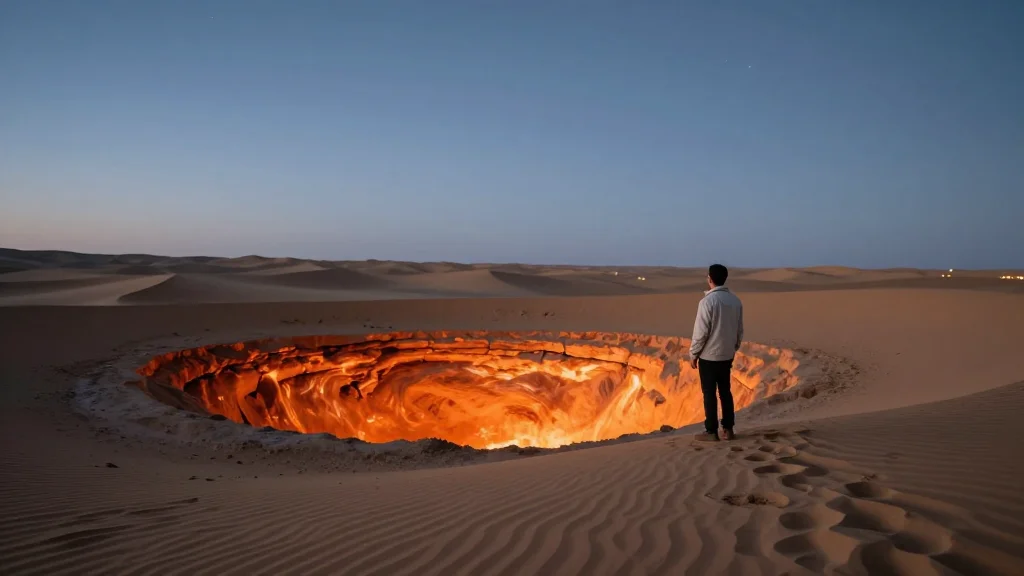
- •Darvaza “Door to Hell” remains top social‑media magnet.
- •Silk‑Road sites like Merv and Nisa now tourism focal points.
- •Travel still requires mandatory guides and strict movement controls.
- •Influencer videos drive perception of Turkmenistan as “last closed country”
Pulse Analysis
Turkmenistan’s tourism strategy marks a calculated pivot from isolation to selective openness. By adopting an electronic visa system, the government eliminated the cumbersome invitation‑letter process that previously deterred most travelers. This regulatory shift coincided with a series of international tourism conferences in Ashgabat, positioning the country as a niche Silk Road experience. Operators such as Darvaza Tour and G Adventures now bundle visits to UNESCO sites, desert eco‑adventures, and the futuristic marble boulevards of the capital, aiming to capture high‑spending adventure tourists seeking off‑the‑grid destinations.
The digital age has amplified Turkmenistan’s allure far beyond official campaigns. Viral TikTok clips and YouTube documentaries showcasing the perpetual flames of the Darvaza crater, the stark white architecture, and nomadic desert camps have amassed millions of views, creating a perception of the nation as the "last closed country" ripe for discovery. Influencers frame the experience as an exclusive visual spectacle, driving curiosity among younger travelers who value rarity over mass tourism. This organic social‑media buzz complements state‑led marketing, turning visual intrigue into tangible booking inquiries.
Despite the outward veneer of hospitality, the country’s internal reality remains tightly controlled. Visitors must travel with government‑approved guides, face restrictions on photographing official buildings, and navigate a curated itinerary that limits genuine cultural immersion. For Turkmen citizens, travel abroad remains fraught with bureaucratic hurdles and surveillance. Economically, tourism offers a modest avenue to diversify revenues away from natural‑gas exports, but its long‑term impact hinges on whether the regime can balance soft‑power ambitions with its entrenched authoritarian framework. The coming years will reveal if tourism can become a catalyst for broader reforms or remain a tightly scripted showcase.
Turkmenistan: The World’s Most Mysterious Destination Begins to Open Its Doors
Comments
Want to join the conversation?
Loading comments...