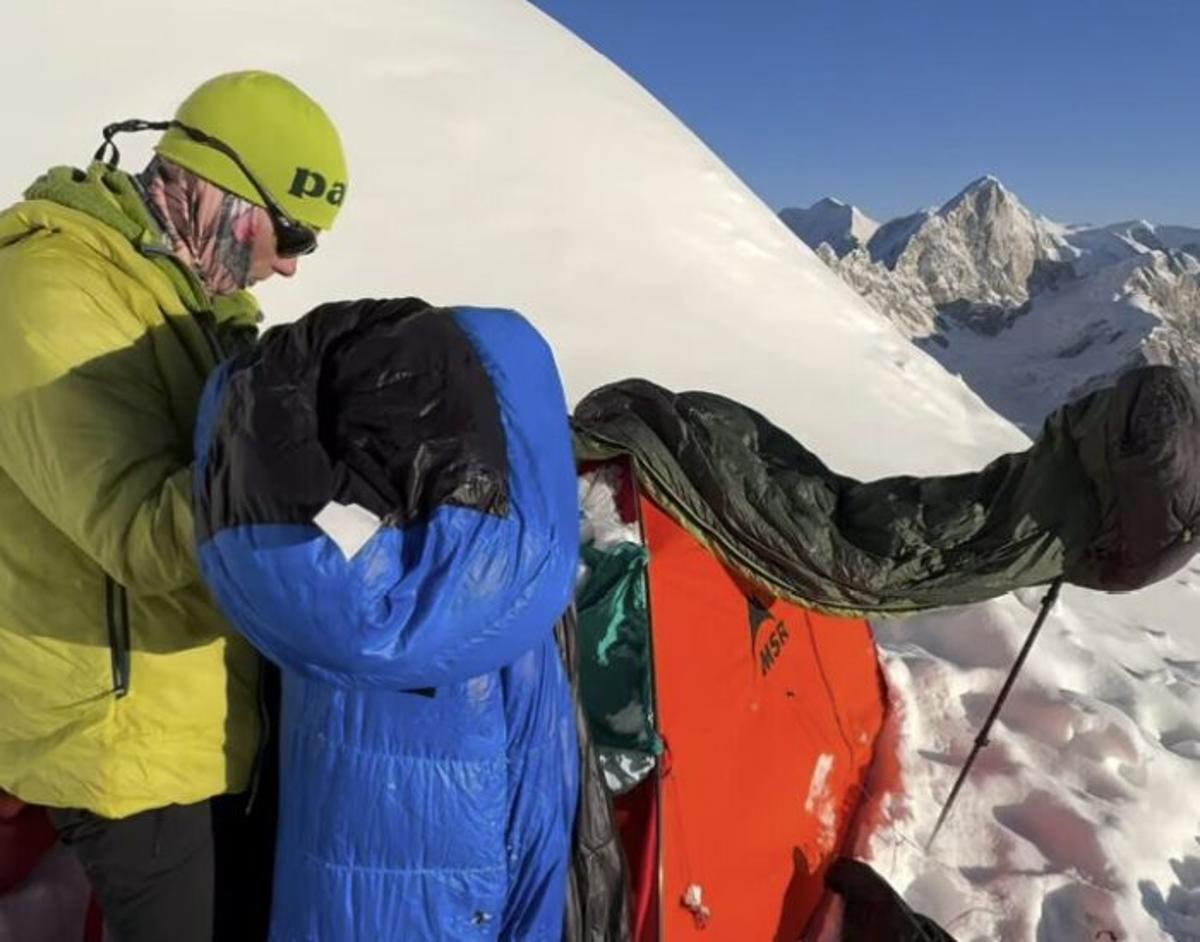
Two Climbers Will Have Manaslu to Themselves This Spring
Why It Matters
The climb demonstrates how climate‑driven weather anomalies and limited permit availability are reshaping high‑altitude mountaineering, prompting climbers to seek solitude and self‑reliance. This shift could influence tourism revenue and safety protocols on the world’s tallest peaks.
Key Takeaways
- •Only permit holders on Manaslu this spring
- •Climbing in alpine style without Sherpa support
- •Unusually warm temperatures increase avalanche risk
- •Off‑season ascents offer solitude amid crowded 8,000‑meter peaks
- •Previous off‑season attempts on Ama Dablam and Makalu illustrate challenges
Pulse Analysis
Manaslu, the world’s eighth‑highest mountain, has traditionally seen crowds in the autumn climbing window, mirroring Everest’s popularity. This spring, however, the peak is virtually empty, allowing Moroz and Ablovacky to pursue an almost‑alpine style ascent. Their approach—dropping gear at a makeshift base, climbing without fixed ropes or Sherpa assistance—reflects a broader movement among elite alpinists toward minimalist, self‑sufficient expeditions that prioritize purity over commercial safety nets.
The duo’s progress is hampered by anomalously warm weather, a symptom of shifting climate patterns that are lengthening melt seasons in the Himalayas. Wet, waist‑deep snow not only slows movement but also escalates avalanche risk, forcing climbers to adopt slower, more cautious tactics. This reality underscores the growing importance of real‑time weather analytics and adaptive risk management for high‑altitude teams, especially those eschewing traditional support structures.
Off‑season, low‑traffic climbs like this one have implications for the regional tourism economy. Permit authorities may see a diversification of demand as climbers seek solitude and reduced congestion, potentially offsetting revenue losses from fewer mainstream expeditions. Meanwhile, the success—or failure—of such ventures will inform future policy on permit allocation, safety regulations, and environmental stewardship in the fragile Himalayan ecosystem.
Two Climbers Will Have Manaslu to Themselves This Spring
Comments
Want to join the conversation?
Loading comments...