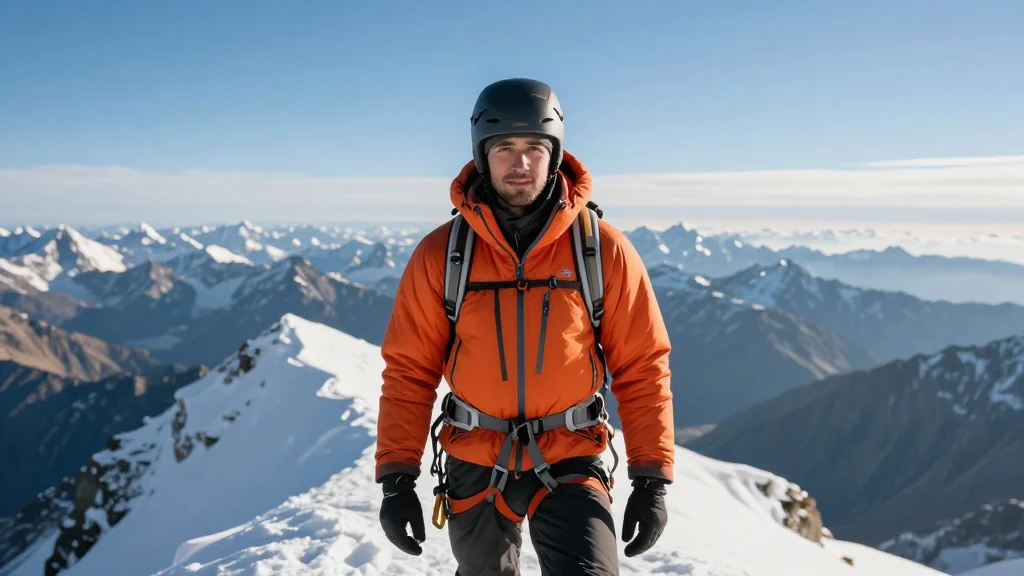
Tyler Andrews Sets New 9‑Hour‑55‑Minute Oxygen‑Assisted Speed Record on Everest

Why It Matters
Tyler Andrews’ record illustrates a shift in high‑altitude mountaineering toward ultra‑fast, oxygen‑supported ascents, blurring the line between traditional climbing and elite endurance sport. This trend could attract a new class of wealthy adventurers seeking record‑breaking experiences, intensifying pressure on Everest’s already strained infrastructure and raising safety and environmental concerns. At the same time, the achievement showcases how advances in training and lightweight oxygen systems can expand human performance at extreme altitudes, potentially influencing rescue protocols, guiding practices, and the commercial tourism market. The record also amplifies calls for tighter regulation of summit traffic. With over 950 climbers already on the mountain this season and crowding cited as a safety risk, authorities may need to reconsider permit allocations, enforce stricter timing windows, and develop guidelines for speed‑record attempts. Balancing the allure of record‑setting with the imperative to protect climbers and the mountain’s ecosystem will shape policy decisions in the Himalayas for years to come.
Key Takeaways
- •Tyler Andrews reached Everest’s summit in 9 h 55 m using supplemental oxygen, beating the 2003 record by 1 h 1 m.
- •Team leader Dawa Steven Sherpa confirmed the time; verification by Nepal’s authorities is pending.
- •Andrews’ solo climb involved rapid progression through all five camps, with GPS checkpoints logged at each stage.
- •Season‑long crowding reached a record 950 summits, prompting veteran Kami Rita Sherpa to call for tighter controls.
- •The achievement may spark a new wave of oxygen‑assisted speed attempts, challenging regulators to balance tourism and safety.
Pulse Analysis
Andrews’ sub‑10‑hour ascent is more than a personal triumph; it signals a broader commercialization of speed climbing on iconic peaks. Historically, Everest has been the domain of multi‑day expeditions that prioritize acclimatization and safety. The emergence of fast‑track, oxygen‑supported attempts reflects a convergence of elite endurance training, lightweight gear, and a market eager for headline‑making feats. This shift could reshape guiding businesses, which may begin to market "record‑attempt packages" to affluent clients, potentially inflating demand during the narrow pre‑monsoon window.
However, the record also exposes systemic vulnerabilities. Overcrowding already strains fixed‑rope infrastructure and increases the likelihood of accidents, as evidenced by the five fatalities this season. If speed attempts become more common, the risk of bottlenecks at critical sections—such as the Khumbu Icefall—could rise, demanding stricter permit controls and perhaps a tiered system that separates traditional expeditions from high‑speed runs. Nepal’s authorities will need to balance revenue from increased permits against the long‑term sustainability of the mountain environment and the safety of climbers.
Looking ahead, the verification process will be a litmus test for how quickly the climbing community can adapt to this new paradigm. Should the record be ratified, we may see a cascade of attempts on other eight‑thousanders, each leveraging similar oxygen‑assisted strategies. The industry must therefore develop standardized protocols for timing, data transparency, and safety oversight to ensure that the pursuit of speed does not eclipse the core values of mountaineering—respect for the mountain, responsible stewardship, and the preservation of life.
Tyler Andrews Sets New 9‑Hour‑55‑Minute Oxygen‑Assisted Speed Record on Everest
Comments
Want to join the conversation?
Loading comments...