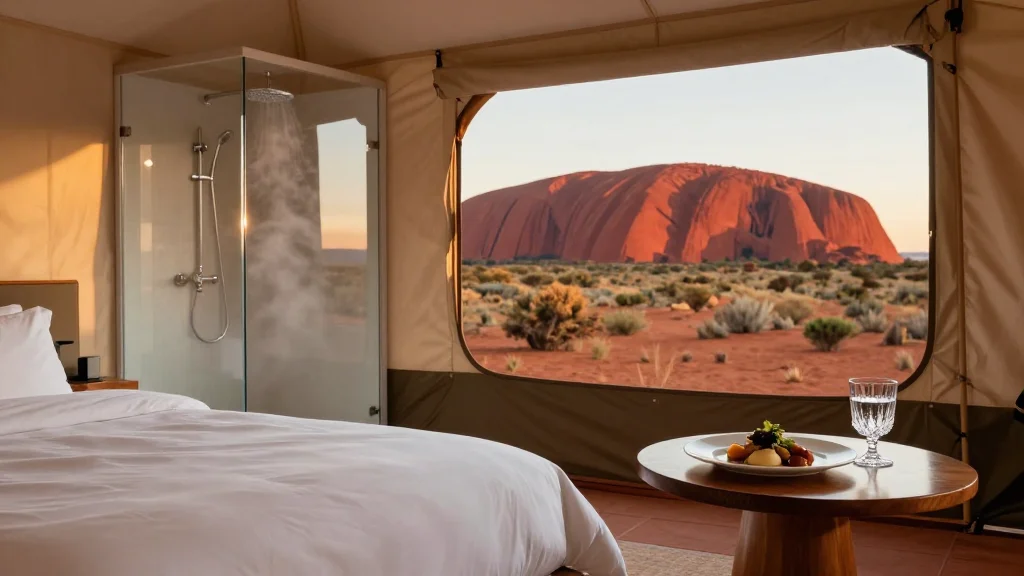
Uluru‑Kakararra Trail Launches Luxury Desert Camping in Australia’s Red Centre

Why It Matters
The trail introduces a premium tourism product to a region traditionally dominated by short‑duration, mass‑market visits. By extending visitor stays and increasing per‑guest spend, the initiative could boost the Northern Territory’s economy while providing new employment opportunities for Indigenous guides and service providers. At the same time, the project spotlights the challenge of delivering luxury experiences in remote, environmentally sensitive areas, prompting a broader conversation about sustainable tourism practices in protected landscapes. Furthermore, the collaborative management framework between the Anangu owners and Parks Australia sets a precedent for future developments on Indigenous lands. If the partnership successfully integrates cultural education, environmental safeguards, and economic benefits, it could serve as a template for other high‑value tourism ventures across Australia and beyond.
Key Takeaways
- •New Uluru‑Kakararra Trail spans 54 km, with 38 km of newly built track.
- •Five‑day hike offers luxury camps with hot showers, gourmet meals and helicopter‑delivered shelters.
- •Trail development took ten years and is co‑managed by Anangu traditional owners and Parks Australia.
- •Uluru attracts about 250,000 visitors annually; the new trail targets high‑spending adventure travelers.
- •Environmental safeguards include limited group sizes and monitoring of desert ecosystems.
Pulse Analysis
The Uluru‑Kakararra Trail reflects a broader shift in adventure tourism toward experiential luxury. Travelers are no longer satisfied with basic backpacking; they expect curated experiences that blend comfort, culture and exclusivity. By positioning the Red Centre as a destination for this niche, the operators are tapping into a market segment that has shown resilience even during broader travel downturns. The premium price point also helps offset the high logistical costs of operating in a remote desert, from helicopter lifts to off‑grid power solutions.
Historically, tourism in the Uluru region has been dominated by day‑trip operators and large‑scale tour buses, which generate significant foot traffic but relatively low per‑guest revenue. The new trail’s model could recalibrate that balance, encouraging longer stays and deeper engagement with Indigenous culture. However, the success of this approach hinges on maintaining the delicate ecological equilibrium of the Central Desert. Over‑development could trigger backlash from conservation groups and the Anangu community, potentially jeopardizing the trail’s social license. Continuous collaboration with traditional owners and transparent environmental reporting will be essential to sustain both the economic upside and the cultural integrity of the project.
If the luxury trail proves profitable and environmentally sound, it may inspire similar high‑end offerings in other protected areas, prompting a re‑evaluation of how tourism can coexist with conservation. The key will be replicating the co‑management model that respects Indigenous custodianship while delivering world‑class visitor experiences.
Uluru‑Kakararra Trail Launches Luxury Desert Camping in Australia’s Red Centre
Comments
Want to join the conversation?
Loading comments...