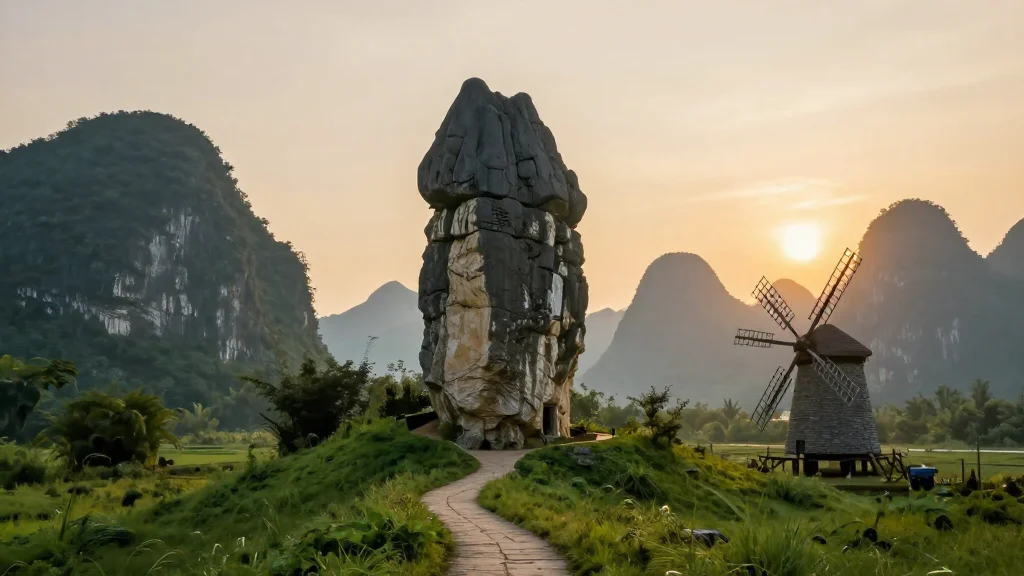
UNESCO Adds 12 New Geoparks, Raising Global Outdoor Destinations to 241

Why It Matters
The expansion of UNESCO’s Global Geoparks network signals a shift in outdoor recreation toward destinations that prioritize environmental stewardship and cultural preservation. For travelers, the new parks provide curated experiences that combine adventure with learning, encouraging a deeper appreciation of Earth’s geological history. For local economies, the designations can unlock funding, improve infrastructure and create jobs, provided that growth is managed responsibly. At a broader level, the geopark model offers a template for integrating tourism with climate adaptation strategies. By foregrounding sustainable practices and community participation, the network helps mitigate the ecological footprint of travel while showcasing how natural heritage can drive inclusive development.
Key Takeaways
- •UNESCO adds 12 new Global Geoparks, raising the total to 241 sites
- •New parks include Joyce Country (Ireland), Manantiales Serranos (Uruguay), Sarawak Delta (Malaysia) and Miné‑Akiyoshidai Karst Plateau (Japan)
- •Designations are based on conservation, education and sustainable development criteria
- •The additions spark debate over balancing tourism growth with ecosystem protection
- •UNESCO will track sustainability outcomes and consider more sites at its 2027 board meeting
Pulse Analysis
UNESCO’s latest batch of geoparks reflects a maturation of the outdoor tourism market, where travelers increasingly seek experiences that are both adventurous and ethically sound. The organization’s emphasis on community‑led stewardship aligns with a broader industry trend: operators are moving away from mass‑market models toward niche, high‑value offerings that command premium pricing. This shift is evident in the rise of eco‑lodges, guided geology tours and citizen‑science programs that monetize knowledge as much as scenery.
Historically, geoparks have served as incubators for sustainable tourism, but the scale of this expansion suggests a strategic push to embed those principles into mainstream travel. By leveraging UNESCO’s brand, the new parks can attract international visitors who might otherwise overlook remote regions. However, the success of this approach hinges on robust governance. If local authorities fail to enforce visitor caps or invest in low‑impact infrastructure, the very assets that earned geopark status could degrade, eroding trust in the program.
Looking ahead, the geopark network could become a catalyst for policy innovation. As more destinations adopt UNESCO’s framework, governments may incorporate similar criteria into national park licensing, heritage protection laws and climate‑resilience planning. For the outdoor industry, the message is clear: sustainability is no longer a peripheral concern but a core component of market viability. Companies that align product development, marketing and operations with geopark standards are likely to capture the next wave of conscientious travelers.
UNESCO Adds 12 New Geoparks, Raising Global Outdoor Destinations to 241
Comments
Want to join the conversation?
Loading comments...