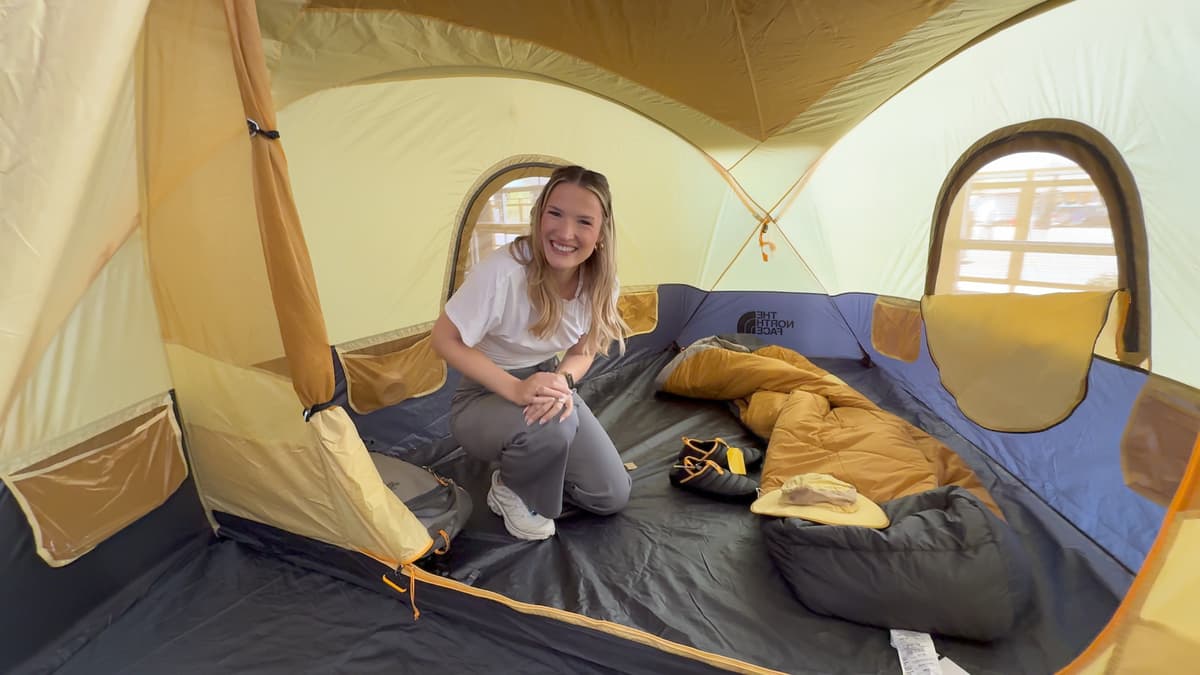
Universal Design Is Quietly Becoming the Future of Outdoor Gear
Companies Mentioned
Why It Matters
Universal design expands the market by welcoming disabled and non‑disabled consumers alike, driving sales and brand loyalty while setting new industry standards.
Key Takeaways
- •The North Face launched Universal Collection with magnetic closures and adaptive features
- •Adidas introduced Supernova Rise 3 Adaptive shoe targeting inclusive performance athletes
- •Nike’s FlyEase line showed adaptive design can become mainstream
- •Brands focus on universal design to cut friction for all users
- •Industry moves from average‑user to human‑variety design philosophy
Pulse Analysis
Universal design, originally a concept in architecture, is now reshaping outdoor equipment. By prioritizing ease of use—magnetic closures, one‑handed access, and low‑threshold entry—manufacturers are removing barriers that once required users to contort themselves to fit the gear. The North Face’s Spring‑2026 preview in Denver underscored this shift, offering ASL interpreters and ADA‑compliant spaces, signaling that accessibility is no longer an afterthought but a core product narrative.
The ripple effect is evident across the sector. Adidas’ Supernova Rise 3 Adaptive shoe incorporates step‑in heels and tactile cues, while Nike’s FlyEase line has already proven that adaptive features can achieve mass‑market appeal. Even niche players like Petzl are adopting adjustable harnesses and intuitive closures, blurring the line between specialized adaptive gear and mainstream products. Consumers quickly recognize that ease of entry and intuitive operation benefit everyone, driving rapid adoption beyond the disability community.
From a business perspective, universal design unlocks new revenue streams and strengthens brand equity. Analysts estimate that inclusive product lines could capture an additional 5‑7 % of the outdoor market, translating into billions of dollars as demographics age and demand for barrier‑free experiences grows. Companies that embed accessibility early gain a competitive edge, reduce return rates, and foster loyalty among a broader customer base. As the industry embraces human‑variety design, investors and retailers should watch for accelerated product rollouts and partnerships that champion inclusive innovation.
Universal Design Is Quietly Becoming the Future of Outdoor Gear
Comments
Want to join the conversation?
Loading comments...