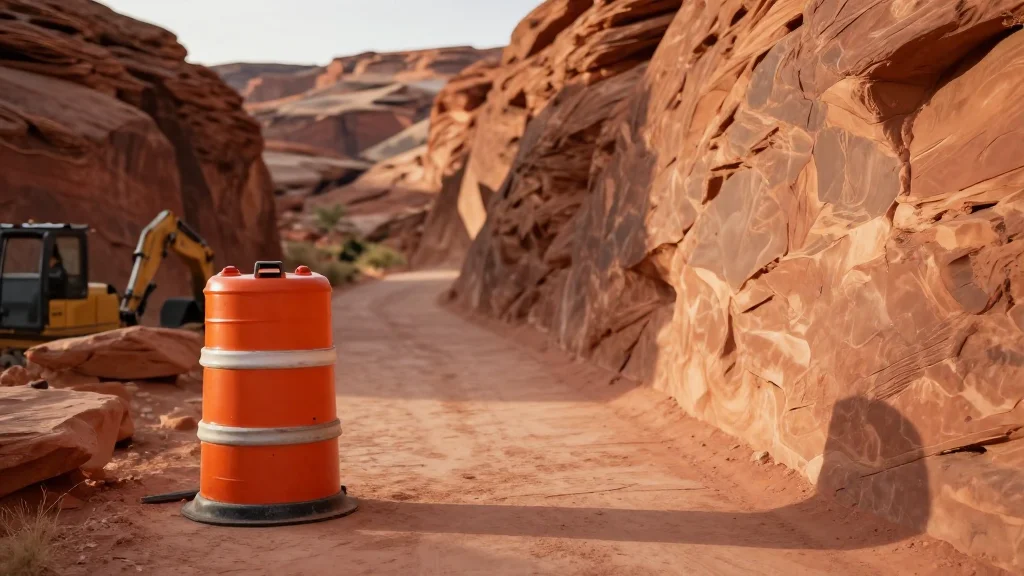
Utah Starts $45 Million Trail Network Build to Link Thousands of Miles of Outdoor Corridors

Why It Matters
Connecting Utah’s fragmented trail system addresses a long‑standing safety gap for cyclists and hikers who have been forced onto busy highways. By providing a dedicated, off‑road corridor, the project reduces collision risk and encourages more residents to adopt active‑transport habits, supporting public‑health goals. Economically, the network positions Utah to capture a larger share of the growing outdoor‑recreation market, which the Outdoor Industry Association estimates will exceed $100 billion nationally by 2030. Rural towns along the route stand to benefit from increased visitor traffic, new business opportunities, and job creation tied to trail maintenance and tourism services. The initiative also sets a precedent for state‑level infrastructure investment in recreation, showing how transportation agencies can collaborate with environmental and tourism officials to deliver multi‑use assets that serve both locals and visitors. As climate change reshapes travel patterns, resilient, low‑impact trail networks may become a cornerstone of sustainable tourism strategies across the western United States.
Key Takeaways
- •Utah DOT breaks ground on Highway 128 trail segment near Moab, the first phase of a statewide network.
- •$45 million funded by the Utah State Legislature will support a 20‑year construction plan.
- •The network aims to connect thousands of miles of trails from southeastern Utah to the Idaho border.
- •Governor Spencer Cox and UDOT officials cite safety and tourism as primary motivations.
- •Completion targeted for 2044, with early segments already improving cyclist safety.
Pulse Analysis
Utah’s trail network is more than a recreational project; it’s a strategic infrastructure investment that aligns with broader trends in active‑transport policy and tourism diversification. Historically, states that have prioritized multi‑use trails—such as Colorado’s Great Parks Bicycle Route—have seen measurable boosts in local economies, especially in small towns that serve as trailheads. Utah’s $45 million commitment reflects a recognition that outdoor recreation can be a reliable economic engine, less vulnerable to the volatility of oil and tech sectors that dominate the state’s fiscal picture.
From a competitive standpoint, the project positions Utah against neighboring states that are also courting adventure tourists. By offering a continuous, safe corridor that spans the entire state, Utah can market a unique selling proposition: a single, cohesive trail experience that rivals the fragmented offerings elsewhere. This could attract multi‑day cyclists and hikers who prefer long‑distance routes, driving higher per‑visitor spend and longer stays.
Looking ahead, the success of the network will hinge on sustained funding, effective inter‑agency coordination, and community buy‑in. While the initial $45 million covers design and early construction, maintenance costs over the next two decades will require a reliable revenue stream, potentially through user fees, sponsorships, or federal grants. If Utah can navigate these challenges, the trail network could become a model for other western states seeking to blend safety, health, and economic growth through outdoor infrastructure.
Utah Starts $45 Million Trail Network Build to Link Thousands of Miles of Outdoor Corridors
Comments
Want to join the conversation?
Loading comments...